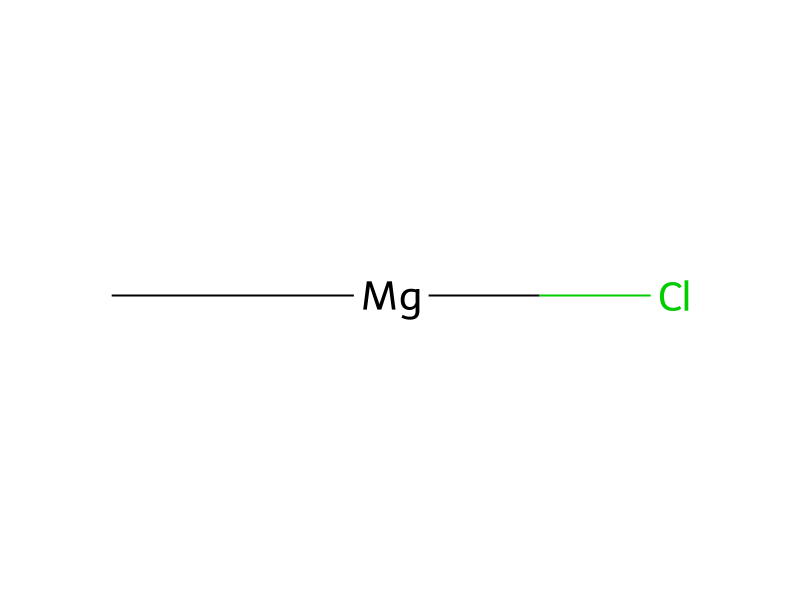
A solution of ethyl 5-bromo-8-carbamoyl-6-fluoro-9H-carbazole-2-carboxylate (10 g, 26.4 mmol) in THF (300 mL) was cooled in an ice-water bath and treated dropwise with 3.0 M methylmagnesium chloride in THF (70.3 mL, 211 mmol). The solution was stirred at 0° C. for 18 h. The mixture was poured into 1000 mL of well-stirred saturated aqueous NH4Cl cooled in an ice-water bath. The resulting mixture was diluted with water and extracted twice with EtOAc. The combined organic phases were washed twice with water, then with brine, and dried and concentrated. The residue was purified by column chromatography on silica gel (330 g), eluting with EtOAc-DCM (gradient from 20-100%), to give 4-bromo-3-fluoro-7-(2-hydroxypropan-2-yl)-9H-carbazole-1-carboxamide (6.36 g, 65% yield).