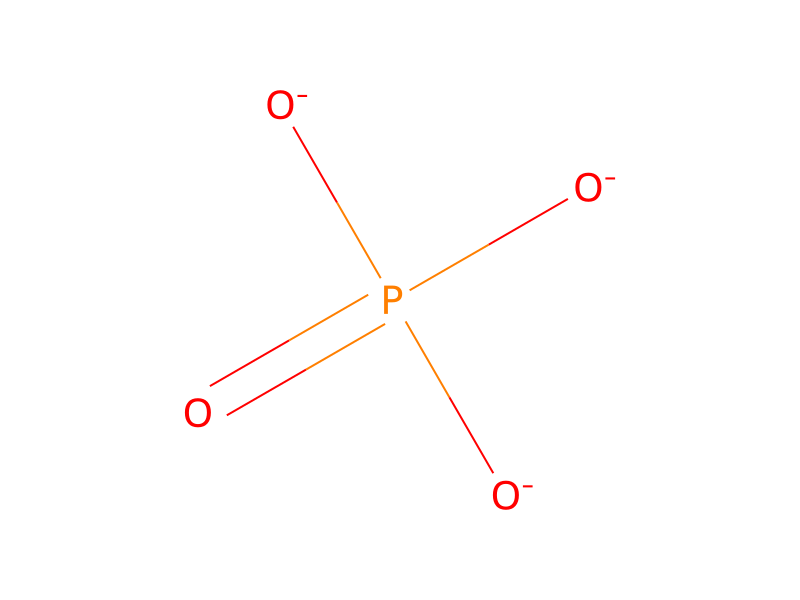
[Br:1][C:2]1[CH:3]=[C:4]2[CH2:16][CH2:15][CH:14]([CH:17]=O)[N:6]3[C:7](=[O:13])[C:8](=[O:12])[NH:9][C:10]([CH:11]=1)=[C:5]23.[ClH:19].[CH2:20]([NH2:27])[C:21]1[CH:26]=[CH:25][CH:24]=[CH:23][CH:22]=1.C([BH3-])#N.[Na+].P([O-])([O-])([O-])=O>CO>[ClH:19].[Br:1][C:2]1[CH:3]=[C:4]2[CH2:16][CH2:15][CH:14]([CH2:17][NH:27][CH2:20][C:21]3[CH:26]=[CH:25][CH:24]=[CH:23][CH:22]=3)[N:6]3[C:7](=[O:13])[C:8](=[O:12])[NH:9][C:10]([CH:11]=1)=[C:5]23To a solution of 9-bromo-5-formyl-6,7-dihydro-1H, 5H-pyrido[1,2,3-de]quinoxaline-2,3-dione (154 mg, 0.5 mmol) and benzylamine hydrochloride (79 mg, 0.55 mmol)in methanol (3 mL) was added sodium cyanoborohydride (100 mg, 1.6 mmol) by portions at 0° C. The mixture was stirred for 4.5 h at 0° C. ~ room temperature and poured into 1/15M phosphate buffer (pH 7.4, 50 mL). The precipitates formed were collected by filtration and dried in vacuo. The solids were dissolved in dichloromethane and saturated hydrogen chloride in isopropanol was added. The resulting mixture was concentrated and the residual solid was rinsed with dichloromethane to give 90 mg of the title compound (41%): 1H NMR (270 MHz, DMSO-d6) δ12.13 (bs, 1H), 9.13 (s, 1H), 9.09 (s, 1H), 7.40~7.59 (m, 5H), 7.24 (d, 1H, J=2 Hz), 7.20 (d, 1H, J=2 Hz), 5.33~5.23 (m, 1H), 4.20 (d, 1H, J=13.0 Hz), 4.10 (d, 1H, J=13.0 Hz), 3.18~3.29 (m, 2H), 2.73~2.99 (m, 2H), 2.27 (dm, 1H, J=12.9 Hz), 1.77~2.00 (m, 1H).