反応式

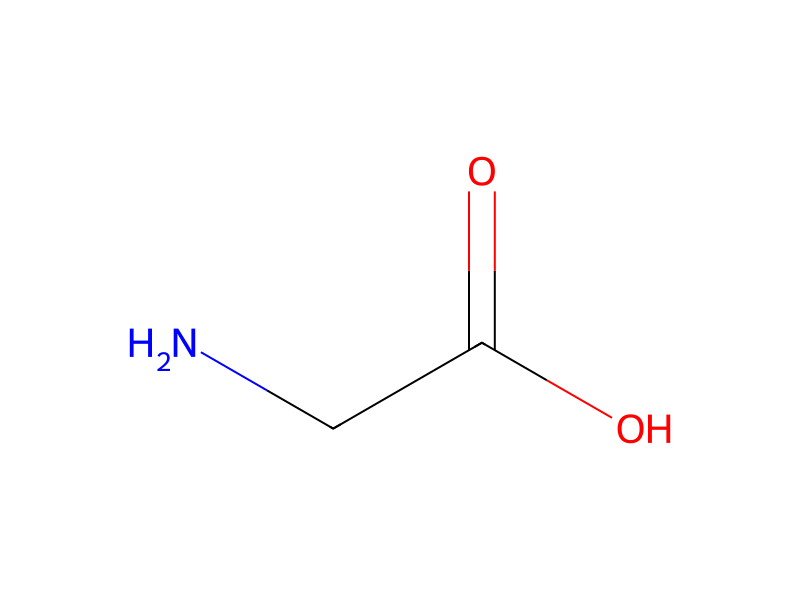
NCC(O)=O.[C:6]([O:13]CC)(=O)[C:7]([O:9]CC)=O.[NH2:16][C:17]1[CH:22]=[CH:21][CH:20]=[CH:19][C:18]=1[NH2:23].C(O)(=O)C(O)=O.OS(O)(=O)=O.OP(O)(O)=O>Cl>[NH:16]1[C:17]2[C:18](=[CH:19][CH:20]=[CH:21][CH:22]=2)[NH:23][C:6](=[O:13])[C:7]1=[O:9]参加物





実験手順
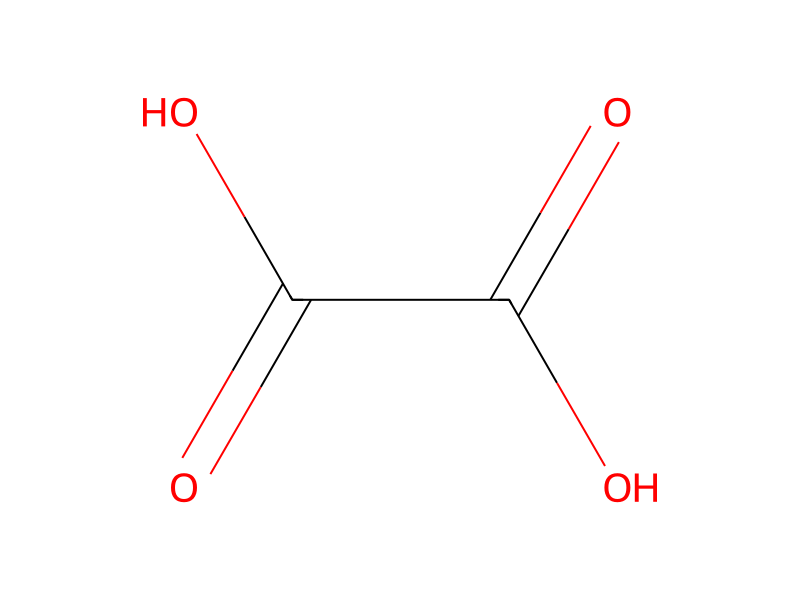
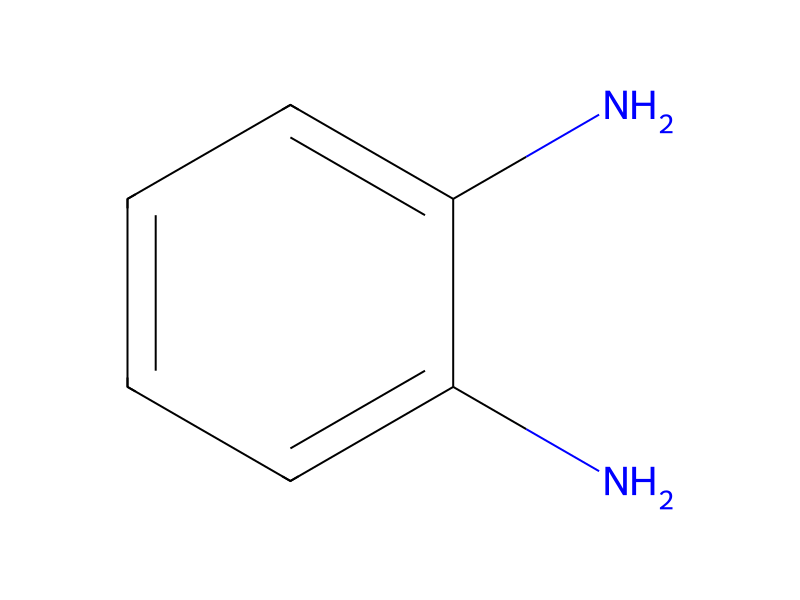
The compounds synthesized for testing as potential glycine antagonists which are not substituted on the amide (1 or 4) position are summarized below (Table I). Most were available by simple condensation of diethyl oxalate with the corresponding diaminobenzene according to Cheeseman, G. W. H., J. Chem. Soc. 1171 (1962). The 1,4-dihydro-2,3-quinoxalinediones may be easily prepared in high yield by heating oxalic acid and the corresponding o-diamine to about 100° to 140° C. for 1 to 10 hr. in the presence of a strong mineral acid such as HCl, H2SO4, H3PO4 and the like. See, Mager and Berends, Rec. Trav. Chim. 77:842 (1958). In a preferred embodiment, oxalic acid and the o-diamine are heated to 125° C. in 2N HCl for 2.5 hours to give the corresponding 1,4-dihydro-2,3-quinoxalinedione in high yield.
後処理
- customin high yield
出典と根拠
- ORDレコード
- ord-428c7f4d2da24a1dabac8f7c9e8c75d0
- 出典データセット
- uspto-grants-1997_04
- 特許番号
- US05622952
関連ノート
読み込み中…