Potassium Phosphate, Tribasic → (4'-{1-Ethyl-1-[3-methyl-4-(4,4,4-trifluoro-3-methoxymethoxy-3-trifluoromethyl-1-butynyl)-phenyl]-propyl}-2'-methyl-biphenyl-4-yl)acetic acid methyl ester
HRID 546884
反応式

[CH3:1][O:2][C:3](=[O:12])[CH2:4][C:5]1[CH:10]=[CH:9][C:8](Br)=[CH:7][CH:6]=1.C1(P(C2CCCCC2)C2C=CC=CC=2C2C(OC)=CC=CC=2OC)CCCCC1.P([O-])([O-])([O-])=O.[K+].[K+].[K+].[CH2:50]([C:52]([C:77]1[CH:82]=[CH:81][C:80](B2OC(C)(C)C(C)(C)O2)=[C:79]([CH3:92])[CH:78]=1)([C:55]1[CH:60]=[CH:59][C:58]([C:61]#[C:62][C:63]([O:72][CH2:73][O:74][CH3:75])([C:68]([F:71])([F:70])[F:69])[C:64]([F:67])([F:66])[F:65])=[C:57]([CH3:76])[CH:56]=1)[CH2:53][CH3:54])[CH3:51].C(=O)(O)[O-].[Na+]>C1(C)C=CC=CC=1.C([O-])(=O)C.[Pd+2].C([O-])(=O)C.O>[CH3:1][O:2][C:3](=[O:12])[CH2:4][C:5]1[CH:10]=[CH:9][C:8]([C:80]2[CH:81]=[CH:82][C:77]([C:52]([CH2:53][CH3:54])([C:55]3[CH:60]=[CH:59][C:58]([C:61]#[C:62][C:63]([O:72][CH2:73][O:74][CH3:75])([C:68]([F:71])([F:70])[F:69])[C:64]([F:67])([F:66])[F:65])=[C:57]([CH3:76])[CH:56]=3)[CH2:50][CH3:51])=[CH:78][C:79]=2[CH3:92])=[CH:7][CH:6]=1参加物
9
反応物 5
 HCID 62657Potassium Phosphate, Tribasic
 HCID 316783Methyl 2-(4-bromophenyl)acetate
 HCID 516892Sodium Bicarbonate
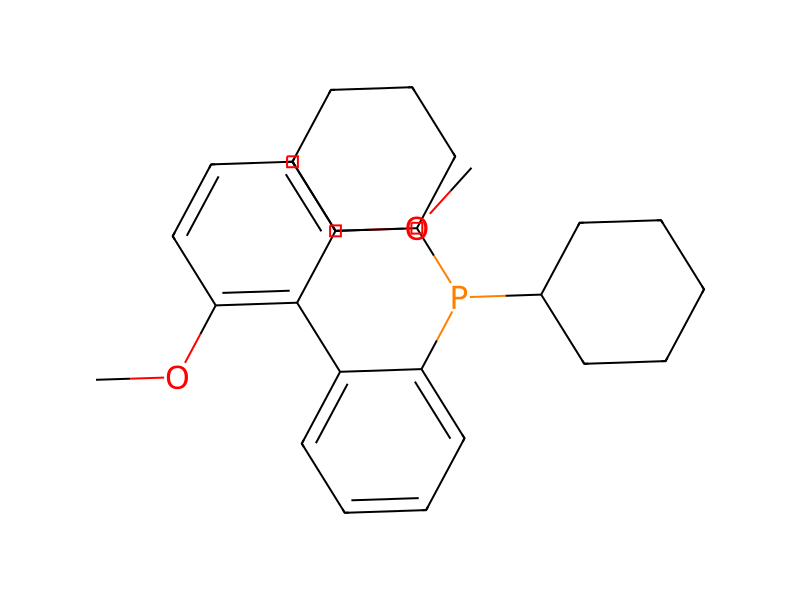 HCID 112698722-Dicyclohexylphosphino-2',6'-dimethoxybiphenyl
 HCID 577089482-(4-{1-Ethyl-1-[3-methyl-4-(4,4,4-trifluoro-3-methoxymethoxy-3-trifluoromethyl-1-butynyl)-phenyl]-propyl}-2-methyl-phenyl)-4,4,5,5-tetramethyl-[1,3,2]dioxaborolane



