反応式
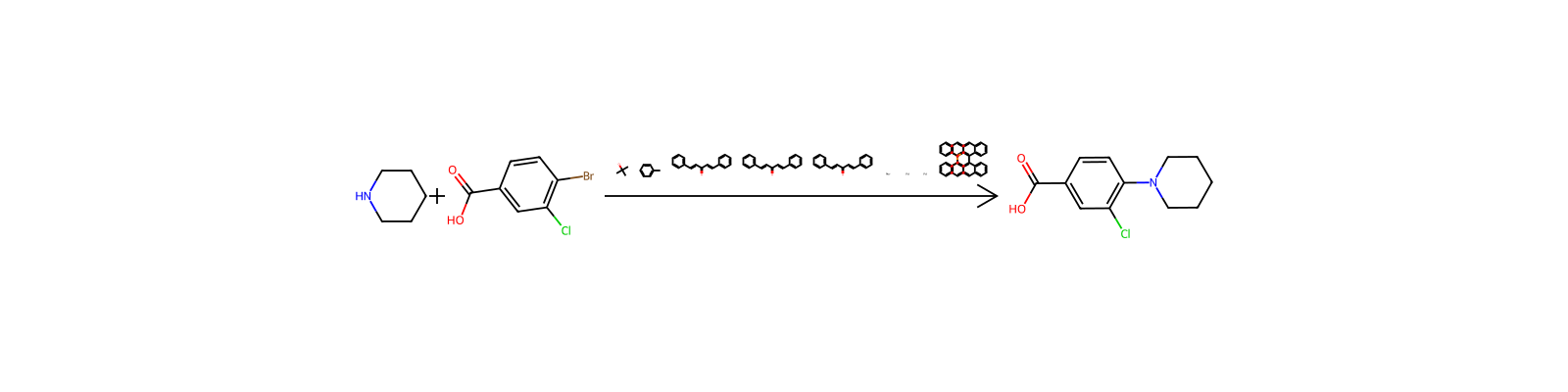
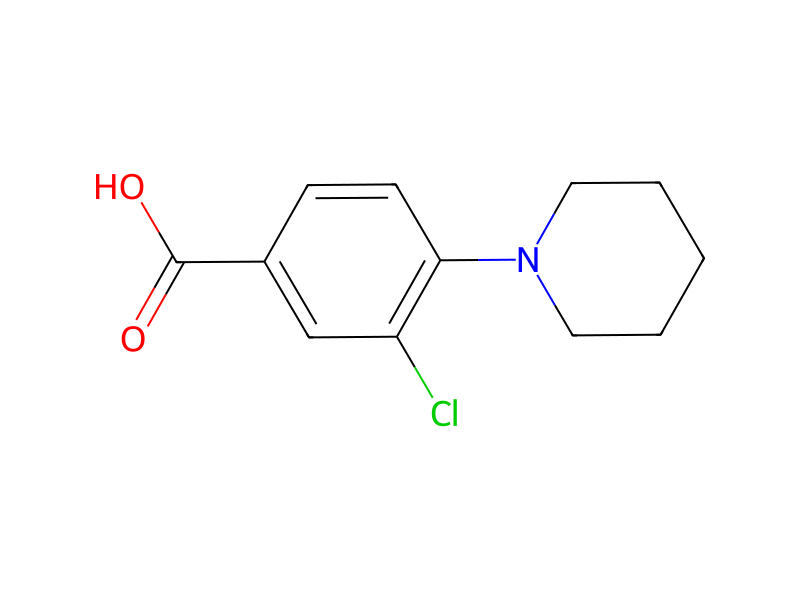
C1CCNCC1.O=C(O)c1ccc(Br)c(Cl)c1>CC(C)(C)[O-].Cc1ccccc1.O=C(/C=C/c1ccccc1)/C=C/c1ccccc1.O=C(/C=C/c1ccccc1)/C=C/c1ccccc1.O=C(/C=C/c1ccccc1)/C=C/c1ccccc1.[Na+].[Pd].[Pd].c1ccc(P(c2ccccc2)c2ccc3ccccc3c2-c2c(P(c3ccccc3)c3ccccc3)ccc3ccccc23)cc1>O=C(O)c1ccc(N2CCCCC2)c(Cl)c1参加物
7





反応条件
- 温度
- 80 °C
実験手順
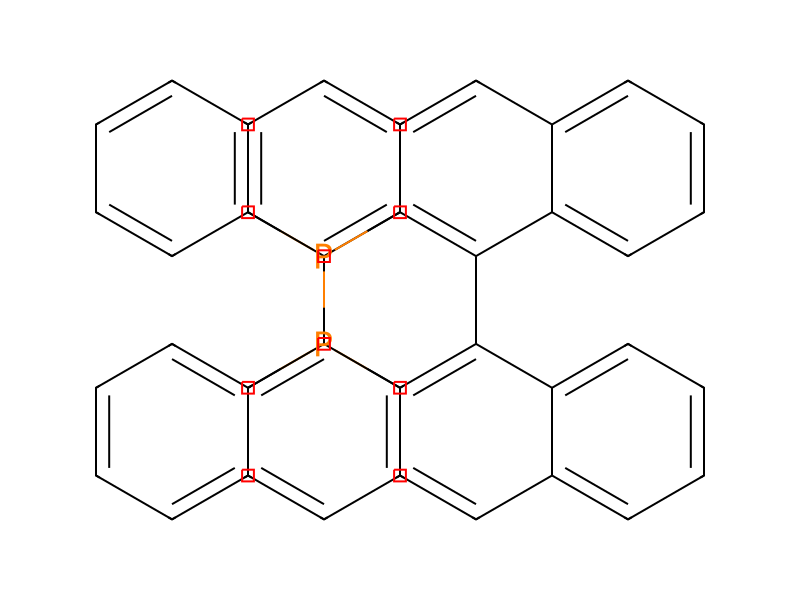
4-bromo-3-chlorobenzoic acid (0.353 g, 1.5 mmol), piperidine (0.234 mL, 2.25 mmol), and sodium tert-butoxide (0.216 g, 2.25 mmol) were stirred together under N2 and heated to 80 °C. Pd2(dba)3 (0.014 g, 0.015 mmol), and BINAP (0.031 g, 0.05 mmol) were mixed in toluene (2 mL) and then added to the mixture and stirred at 110 °C overnight. LCMS showed a very small amount of desired product (~2%). The reaction mixture was degassed with N2 for 30 minutes, then addtional Pd/ Binap was added. The reaction was again heated to 110 C. LCMS showed a small amount of desired product (~10%) but mostly still starting material. The desired product was not isolated from this reaction.
出典と根拠
- ORDレコード
- ord-398e791076cd44778e3b80090d8d8371
- 出典データセット
- 750 AstraZeneca ELN dataset
- 元リンク
- 出典を表示
関連ノート
読み込み中…