反応式

[Br:1][C:2]1[CH:3]=[CH:4][C:5](I)=[C:6](/[CH:8]=[N:9]/[C:10]([CH3:13])([CH3:12])C)[CH:7]=1.[C:15]([C:17]1[CH:22]=[CH:21]C(C#C)=[CH:19][CH:18]=1)#[N:16].C(NC(C)C)(C)C>C1(C)C=CC=CC=1.[Cu]I.Cl[Pd](Cl)([P](C1C=CC=CC=1)(C1C=CC=CC=1)C1C=CC=CC=1)[P](C1C=CC=CC=1)(C1C=CC=CC=1)C1C=CC=CC=1>[Br:1][C:2]1[CH:7]=[C:6]2[C:5]([CH:13]=[C:10]([C:12]3[CH:21]=[CH:22][C:17]([C:15]#[N:16])=[CH:18][CH:19]=3)[N:9]=[CH:8]2)=[CH:4][CH:3]=1参加物
7






実験手順
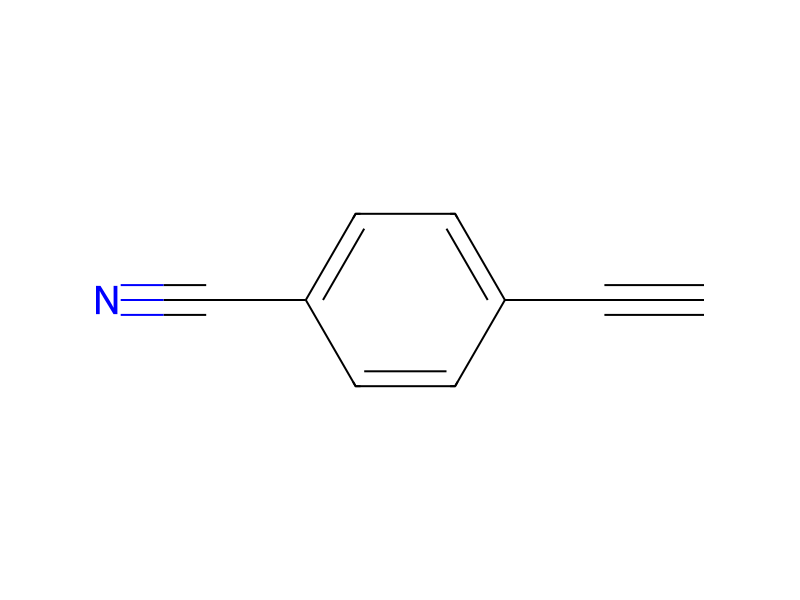
The product from Example 62D (3.6 mmol), 4-cyanophenylacetylene (4.3 mmol), CuI (0.2 mmol), PdCl2(PPh3)2 (0.1 mmol), and diisopropylamine (5.3 mmol) can be combined in toluene (15 mL) and processed as described in Example 62E to provide the title compound.
出典と根拠
- ORDレコード
- ord-b4543ed2f70449f58d2f4ed17720778e
- 出典データセット
- uspto-grants-2011_05
- 特許番号
- US07947711B2
関連ノート
読み込み中…