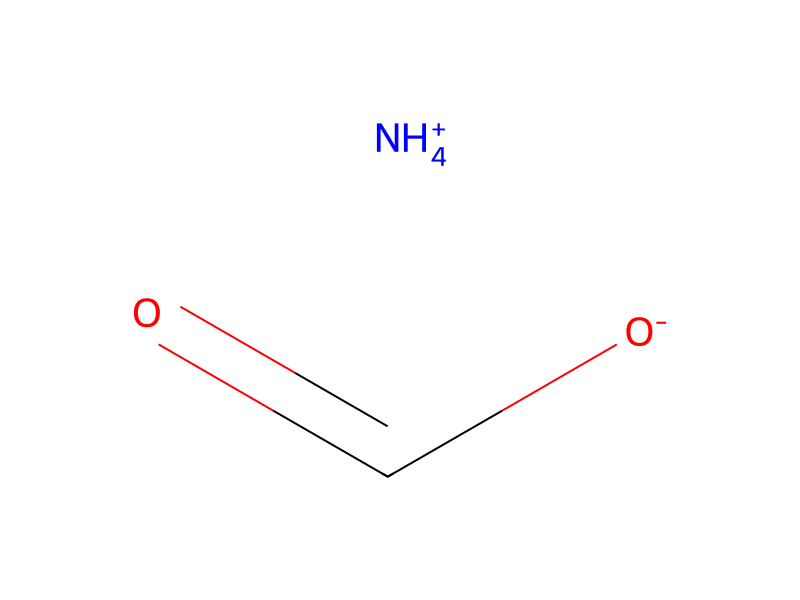
Ammonium formate → HCID 43585050、化合物
HRID 552387
反応式

[Cl:1][C:2]1[CH:7]=[C:6]([N+:8]([O-])=O)[CH:5]=[CH:4][C:3]=1[N:11]1[CH2:16][CH2:15][N:14]([CH:17]([CH3:19])[CH3:18])[CH2:13][CH2:12]1.C([O-])=O.[NH4+]>CO.[Zn]>[Cl:1][C:2]1[CH:7]=[C:6]([NH2:8])[CH:5]=[CH:4][C:3]=1[N:11]1[CH2:12][CH2:13][N:14]([CH:17]([CH3:18])[CH3:19])[CH2:15][CH2:16]1参加物
5




実験手順
To a solution of 1-(2-chloro-4-nitro-phenyl)-4-isopropyl-piperazine (1.500 g, 5.30 mmol), prepared according to example 5, in MeOH (20 mL) is added zinc dust (1.039 g, 15.90 mmol) followed by ammonium formate (1.002 g, 15.90 mmol). The reaction is stirred at room temperature. Once the reaction is finished, the reaction mixture is filtrated and concentrated. The mixture is taken up in dichloromethane and washed with water. The combined organic layers are dried (MgSO4) and the solvent is removed under reduced pressure to yield the title compound, which is used as such for the next step.