Water → HCID 117607175、化合物
HRID 588842
反応式

[Cl:1][C:2]1[CH:7]=[C:6]([O:8][CH3:9])[C:5]([CH:10]=[CH2:11])=[CH:4][C:3]=1[C:12]1[CH:17]=[C:16]([Cl:18])[CH:15]=[CH:14][C:13]=1[Cl:19].[OH2:20]>CN(C=O)C.Cl[Pd]Cl>[Cl:19][C:13]1[CH:14]=[CH:15][C:16]([Cl:18])=[CH:17][C:12]=1[C:3]1[C:2]([Cl:1])=[CH:7][C:6]([O:8][CH3:9])=[C:5]([CH2:10][CH:11]=[O:20])[CH:4]=1参加物
5




実験手順
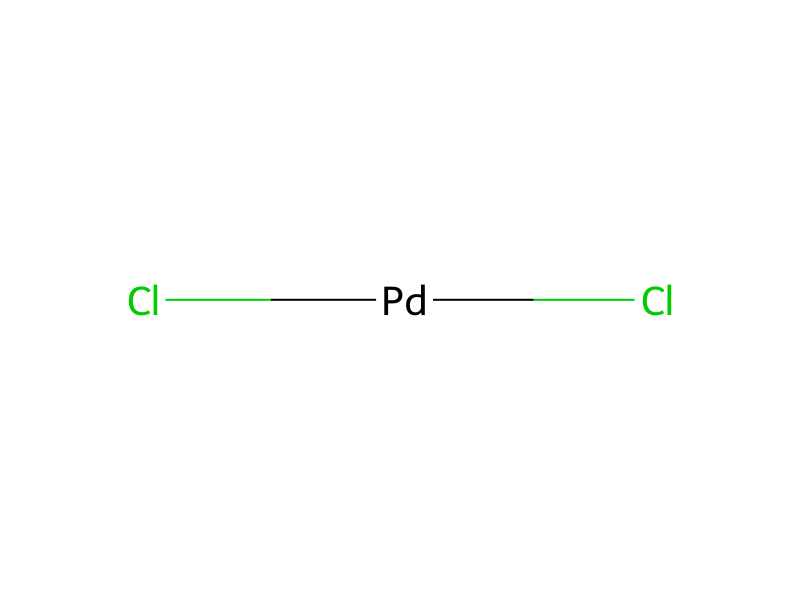
To a mixture of 2,2′,5′-trichloro-4-methoxy-5-vinylbiphenyl (1.0 g, 3.2 mmol) in anhydrous DMF (10 mL), PdCl2 (1.14 g, 6.4 mmol) was added and the resulting mixture was stirred at room temperature under nitrogen for 16 h. To this mixture, water (0.5 mL) was added and the resulting mixture was stirred at room temperature for another 6 h. The mixture was partitioned between ethyl acetate and water. The organic layer was washed with water, dried over anhydrous Na2SO4, filtered and concentrated in vacuo. The residue was purified by flash column chromatography on silica gel (1-3% ethyl acetate/petroleum ether) to afford the desired product (300 mg, 29% yield) as a white solid.