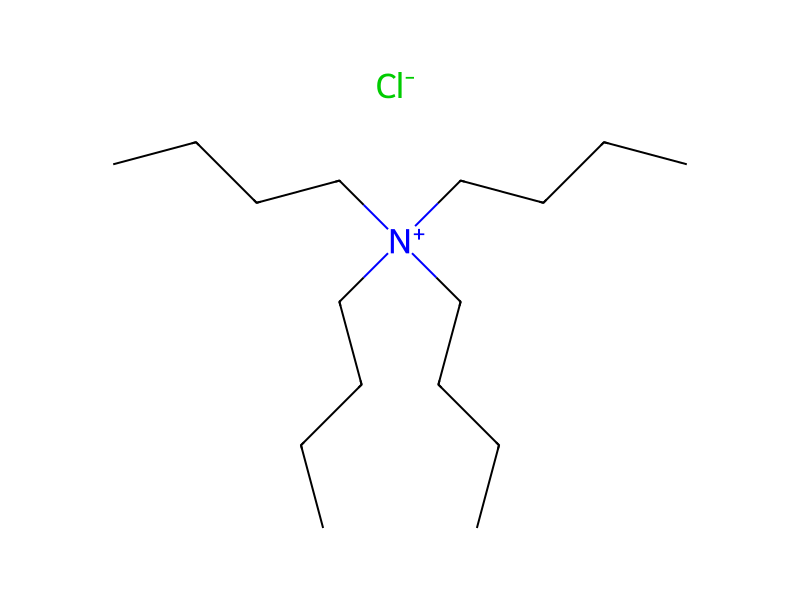
[Br:1][C:2]1[CH:7]=[C:6](I)[C:5]([O:9][CH3:10])=[CH:4][C:3]=1[Cl:11].[CH2:12]([OH:15])[CH:13]=[CH2:14].C([O-])(O)=O.[Na+]>CCCC[N+](CCCC)(CCCC)CCCC.[Cl-].CN(C=O)C.CC([O-])=O.CC([O-])=O.[Pd+2]>[Br:1][C:2]1[C:3]([Cl:11])=[CH:4][C:5]([O:9][CH3:10])=[C:6]([CH2:14][CH2:13][CH:12]=[O:15])[CH:7]=1A mixture of 1-bromo-2-chloro-5-iodo-4-methoxybenzene (3.2 g, 9.2 mmol), prop-2-en-1-ol (1.3 g, 23.0 mmol), Pd(OAc)2 (206 mg, 0.9 mmol), TBAC (2.56 g, 9.2 mmol), NaHCO3 (2.3 g, 27.6 mmol) in DMF (50 mL) was stirred under Argon at 60° C. for 16 h. The mixture was allowed to cool to RT, and then partitioned between ethyl acetate and water. The combined organic layer was washed with brine, dried over anhydrous Na2SO4 and concentrated. The residue was purified by flash column chromatography on silica gel (ethyl acetate/petroleum ether=1:20) to afford the desired product (860 mg, 34% yield).