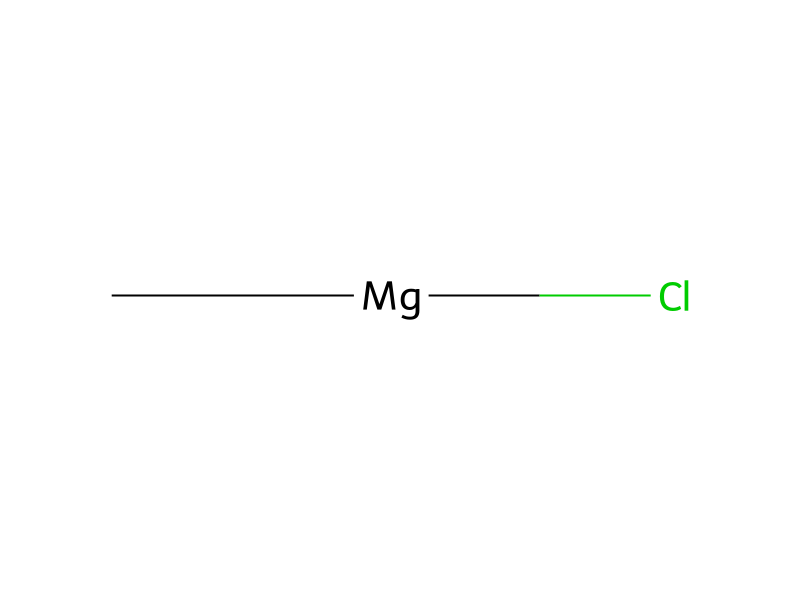
[CH3:1][C:2]1[C:6]([C:7]2[C:16]3[O:15][CH2:14][C@H:13]([C:17]4[CH:22]=[CH:21][CH:20]=[CH:19][N:18]=4)[N:12]4[C:23]([CH:25]=[O:26])=[N:24][C:10]([C:11]=34)=[CH:9][CH:8]=2)=[C:5]([CH3:27])[O:4][N:3]=1.[CH3:28][Mg]Cl>O1CCCC1>[CH3:1][C:2]1[C:6]([C:7]2[C:16]3[O:15][CH2:14][C@H:13]([C:17]4[CH:22]=[CH:21][CH:20]=[CH:19][N:18]=4)[N:12]4[C:23]([CH:25]([OH:26])[CH3:28])=[N:24][C:10]([C:11]=34)=[CH:9][CH:8]=2)=[C:5]([CH3:27])[O:4][N:3]=1To the solution of (4S)-7-(3,5-dimethylisoxazol-4-yl)-4-pyridin-2-yl-4,5-dihydroimidazo[1,5,4-de][1,4]benzoxazine-2-carbaldehyde (8 mg, 0.02 mmol) in tetrahydrofuran (1 mL) at 0° C., 3.0 M methylmagnesium chloride in THF (0.01 mL, 0.04 mmol) [Aldrich, cat. #189901] was added dropwise. After continued stirring for 30 min at 0° C., the reaction was quenched by adding saturated aqueous ammonium chloride (0.5 mL) dropwise. The resulting mixture was diluted with ethyl acetate/brine (3:1), and the organic layer was separated. The aqueous layer was extracted with ethyl acetate. The combined organic layers were dried over sodium sulfate, filtered, and concentrated under vacuum. Purification by preparative LCMS (XBridge C18 column, eluting with a gradient of acetonitrile/water containing 0.1% ammonium hydroxide, at flow rate of 60 mL/min) afforded the desired product as a mixture of diastereomers (4 mg, 50%). LCMS for C21H21O3N4 (M+H)+: calculated m/z=377.2. found 377.1.