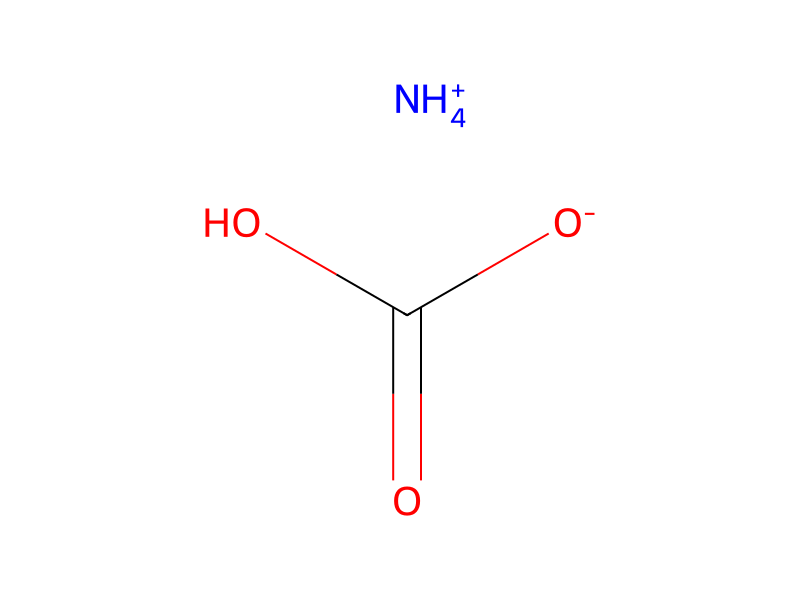
A 100 mL flask is charged with acetonitrile (12 mL) and water (24 mL) and is degassed with argon for about 5 min. Linear peptide (0.01 mmole) and 200 mM ammonium bicarbonate (6 mL) are added followed by at least one peptide (0.012 mmole) such as, but not limited to, 1,3-bis(bromomethyl) benzene, 1,2-bis(bromomethyl)benzene, 1,4-bis(bromomethyl)benzene, 2,6-bis(bromomethyl)pyridine, (E)-1,4-dibromobut-2-ene. The reaction mixture is stirred under argon at room temperature for approximately 2 hours and monitored by LC-MS. After the reaction is complete, the reaction solution is frozen and lyophilized. HPLC purification of the crude lyophilized product followed by lyophilization of fractions containing pure peptide results in the final cyclized product as a white power.