ホームMCPワークベンチSkills
ホームワークベンチ通知マイページ
llms.txt · MCPガイドプライバシーポリシー · 利用規約 · サポートv1.8.3
  1. ホーム
  2. /反応

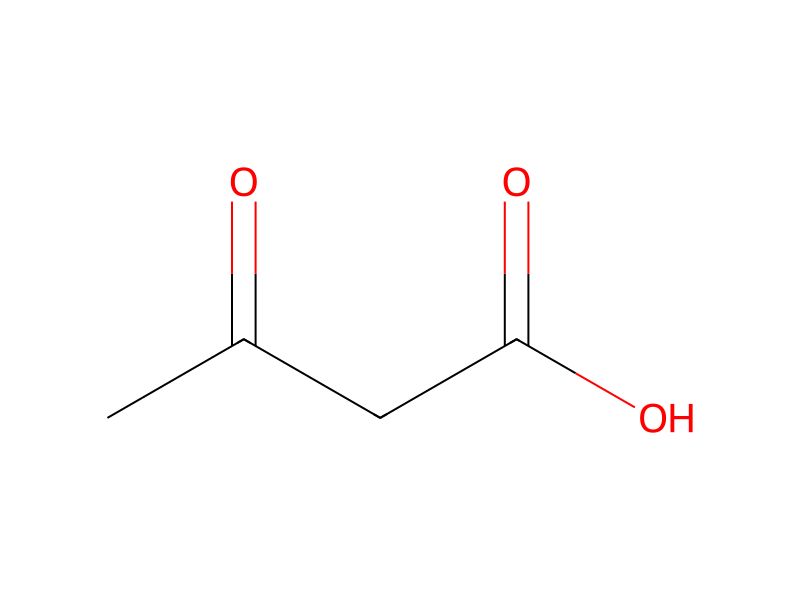
Acetoacetic Acid → Hydroquinone mono-acetate

HRID 617434
印刷

反応式

HRID 617434 の反応式
CC([CH2:4][C:5]([OH:7])=[O:6])=O.[C:8]1([CH:15]=[CH:14][C:12]([OH:13])=[CH:11][CH:10]=1)[OH:9].C(OC(=O)C)(=O)C.C(N(CC)CC)C>CN(C)C1C=CN=CC=1.C(OCC)(=O)C>[C:5]([OH:7])(=[O:6])[CH3:4].[C:8]1([CH:15]=[CH:14][C:12]([OH:13])=[CH:11][CH:10]=1)[OH:9]
参加物実験手順後処理出典と根拠反応ノート

参加物

7

反応物 4

HCID 96Acetoacetic AcidHCID 785Hydroquinone2 回HCID 7918Acetic AnhydrideHCID 8471Triethylamine

生成物 1

HCID 21327627Hydroquinone mono-acetate

試薬・触媒・溶媒 2

HCID 142844-(Dimethylamino)pyridine触媒
HCID 8857
Ethyl Acetate
溶媒

実験手順

The preparation of monoacetates of hydroquinone and catechol has been investigated, according to early publications, with varying results. Oltcott (J. Am. Chem. Soc. 59, 1937, 392-393) has found, that the monacetylation of these two dihydroxybenzenes can be performed by careful reaction with an acetylating agent, e.g. acetic anhydride, in aqueous alkaline solution. The desired mono-acetate was obtained in a yield of only 20-30%, whereas the major product obtained was the diacetate. Johnston (Chem. Ind. 1982, 1000) has succeeded in improving the formation of the mono-acetate of hydroquinone from hydroquinone and acetic anhydride by using triethyl amine as a base and 4-dimethylaminopyridine (DMAP) as a catalyst, in a polar organic solvent, viz. in ethyl acetate solution. Under such reaction conditions, Johnston has succeeded in obtaining hydroquinone mono-acetate in yields of 58-65%.

後処理

  1. customobtained
  2. customUnder such reaction conditions, Johnston

出典と根拠

ORDレコード
ord-9348bd773cba47c5ad30ae5ba95f049a
出典データセット
uspto-grants-1999_09
DOI
10.6084/m9.figshare.5104873.v1
特許番号
US05948909

反応ノート

このページの内容参加物実験手順後処理出典と根拠反応ノート




