Ammonia → HCID 20145200、化合物
HRID 648645
反応式

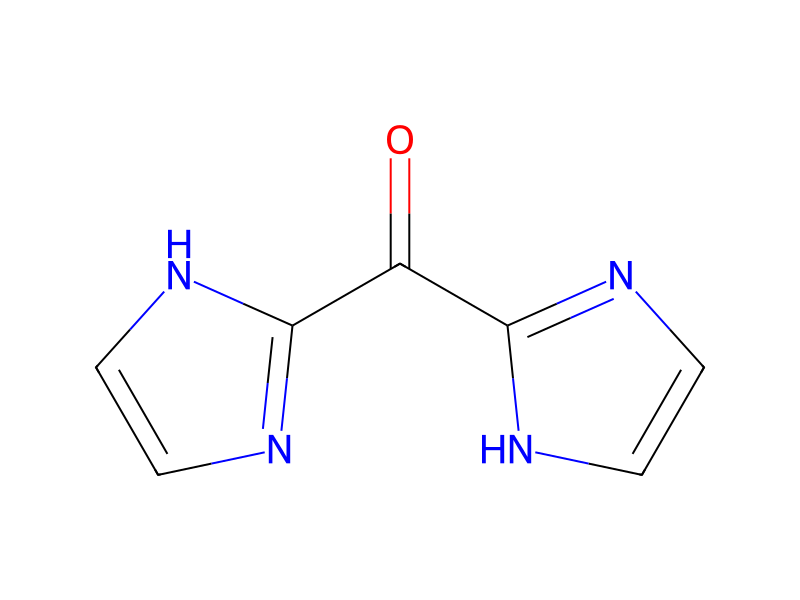
C(C1NC=CN=1)(C1[NH:4]C=CN=1)=O.[N:13]1([C:19]2[CH:24]=[CH:23][CH:22]=[CH:21][C:20]=2[CH:25]([CH:27]([C:37]([NH2:39])=[O:38])[C:28]2[CH:36]=[CH:35][C:31]([C:32]([OH:34])=O)=[CH:30][CH:29]=2)[CH3:26])[CH2:18][CH2:17][CH2:16][CH2:15][CH2:14]1.N>N1C=CC=CC=1>[N:13]1([C:19]2[CH:24]=[CH:23][CH:22]=[CH:21][C:20]=2[CH:25]([CH:27]([C:37]([NH2:39])=[O:38])[C:28]2[CH:36]=[CH:35][C:31]([C:32]([NH2:4])=[O:34])=[CH:30][CH:29]=2)[CH3:26])[CH2:18][CH2:17][CH2:16][CH2:15][CH2:14]1参加物
5




実験手順
An amount of 2.3 gm (0.0142 mol) of carbonyl diimidazole was mixed with 4.76 gm (0.013 mol) of 4-[(1-(2-piperidinophenyl)-ethyl)-aminocarbonylmethyl]-benzoic acid in 60 ml of absolute pyridine, and the mixture was subsequently heated for 45 minutes to 50° C. After cooling in a carbon dioxide/methanol bath, 7 ml of liquid ammonia were added, and the mixture was heated for 20 hours to 80° C. in an autoclave. Subsequently the reaction mixture was cooled and evaporated in vacuo. The residue was dissolved in 50 ml of hot methanol, 200 ml of water were added, and the mixture was allowed to stand overnight. The crystalline precipitate was recovered by suction filtration and recrystallized from methanol by addition of activated charcoal.