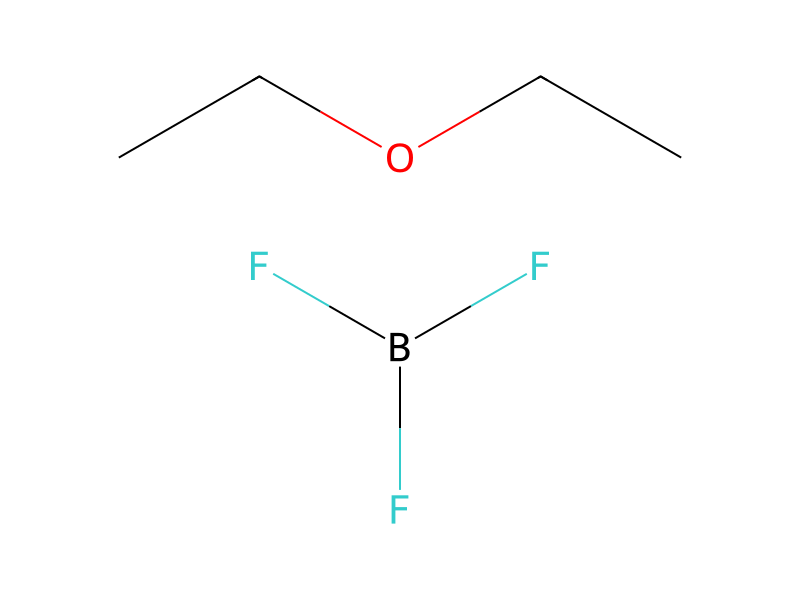
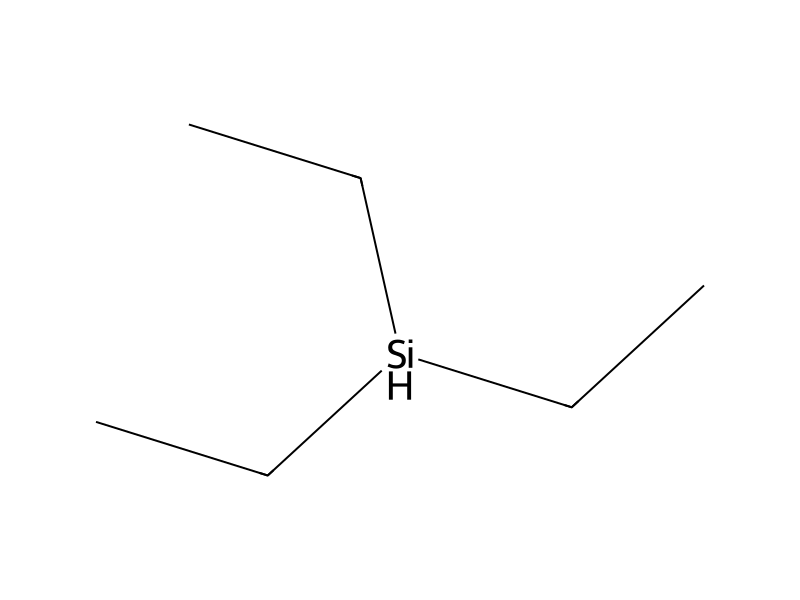
To a solution of the above (5-bromo-2-fluorophenyl)-(4-chlorophenyl)-methanol (15.0 g, 48 mmol) and triethylsilane (18.5 mL, 116 mmol) in dichloromethane (40 mL) and acetonitrile (20 mL) at 0° C. under nitrogen, was slowly added boron trifluoride diethyl etherate (22.7 mL, 181 mmol). The resulting solution was stirred for 18 hours, while slowly warming to room temperature. The reaction was cooled in an ice-water bath, quenched by slow addition of 7 M aqueous potassium hydroxide solution (30 mL) and extracted with methyl tert-butyl ether (200 mL×2). The combined organic solution was washed with water (25 mL×2), brine (25 mL×2), dried (sodium sulfate), filtered and concentrated under reduced pressure. Purification by flash column chromatography over silica gel eluting with a gradient of ethyl acetate in heptane gave 2-(4-chlorobenzyl)-4-bromo-1-fluorobenzene (5.0 g, 35% yield) as a colorless oil. 1H NMR (400 MHz, chloroform-d) delta ppm 7.33-7.22 (m, 4H), 7.13 (d, J=8.4 Hz, 2H), 6.93 (dd, J=9.2, 9.2 Hz, 1H), 3.92 (s, 2H).