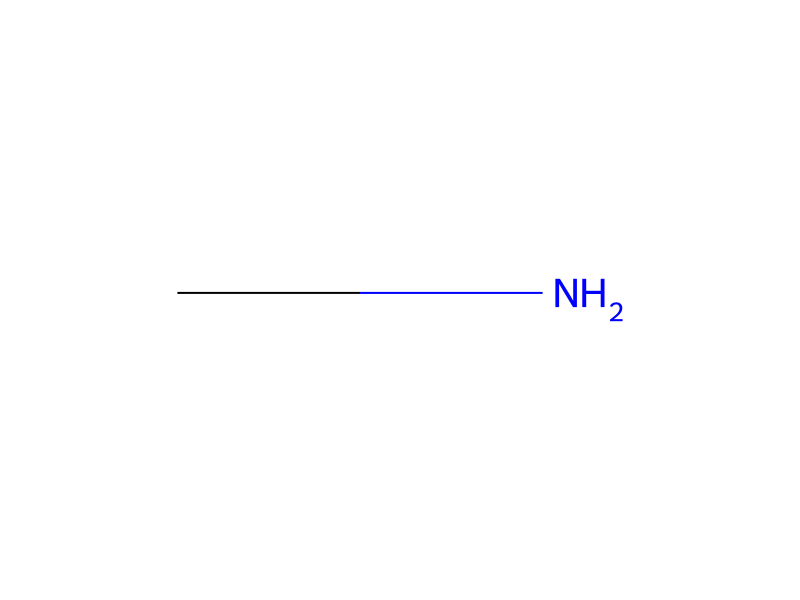
Methylamine → HCID 11617294、化合物
反応式

[Cl:1][CH2:2][C:3]1[N:12]([CH2:13][CH2:14][CH3:15])[C:11](=[O:16])[C:10]2[C:5](=[C:6]([OH:19])[C:7]([Cl:18])=[CH:8][C:9]=2[Cl:17])[N:4]=1.[CH3:20][NH2:21]>C1COCC1.C(O)C>[ClH:1].[Cl:17][C:9]1[CH:8]=[C:7]([Cl:18])[C:6]([OH:19])=[C:5]2[C:10]=1[C:11](=[O:16])[N:12]([CH2:13][CH2:14][CH3:15])[C:3]([CH2:2][NH:21][CH3:20])=[N:4]2参加物
5




実験手順
To a solution of 2-chloromethyl-5,7-dichloro-8-hydroxy-3-n-propyl-3H-quinazolin-4-one (285 mg, 0.886 mmol) in anhydrous THF (1.3 mL) was added a solution of methylamine in ethanol (7.5 mL of a 8.0M solution, 60 mmol) dropwise under an argon atmosphere. The mixture was stirred at room temperature for 18 h, then concentrated, and to the resulting residue was added 2M HCl (5 mL). The mixture was evaporated and more 2M HCl (5 mL) was added. The residue was evaporated and the procedure repeated two more times. The mixture was triturated with dichloromethane and dried in vacuo to yield 5,7-dichloro-8-hydroxy-2-methylaminomethyl-3-n-propyl-3H-quinazolin-4-one hydrochloride (4-9A) as a yellow solid (157 mg, 50%)(Table 6).