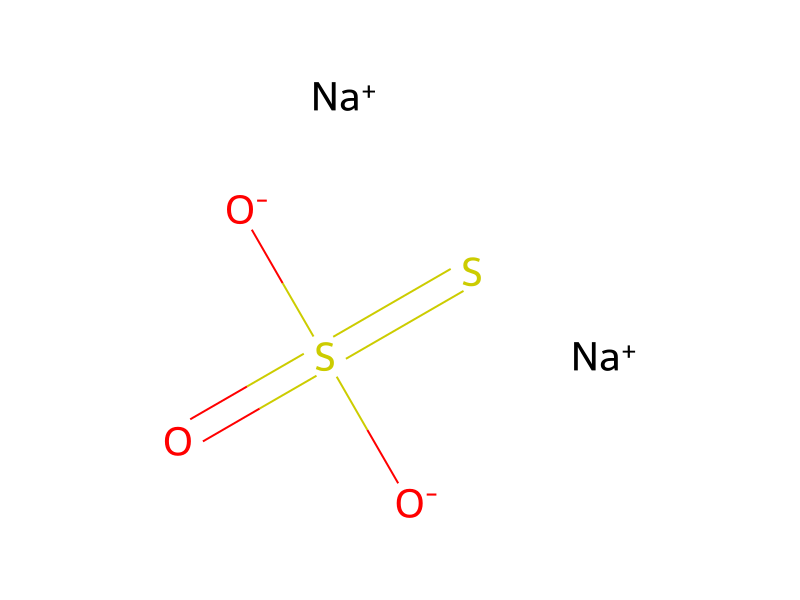
5-Propoxy-4H-benzo[f]quinolin-1-one (2.66 g, 10.5 mmol) was suspended in DMF (20 ml). Potassium carbonate (1.63 g, 11.8 mmol) and iodine (2.95 g, 11.6 mmol) were added to the suspension, followed by stirring at room temperature for 3 hours. The reaction mixture was poured into an aqueous sodium thiosulfate solution (9.14 g, 100 ml), followed by stirring for 5 minutes. Ethyl acetate was added to the reaction mixture and stirred. Subsequently, insoluble matter was collected by filtration, and the filtrate was then separated. The thus-obtained organic layer was washed with an aqueous saturated sodium chloride solution, and then concentrated to dryness under reduced pressure. The residue was added to the collected insoluble matter, followed by purification using silica gel column chromatography (dichloromethane:methanol=50:1→20:1). The purified product was concentrated to dryness under reduced pressure, giving a pale brown powder of 2-iodo-5-propoxy-4H-benzo[f]quinolin-1-one (3.48 g, yield: 87%).