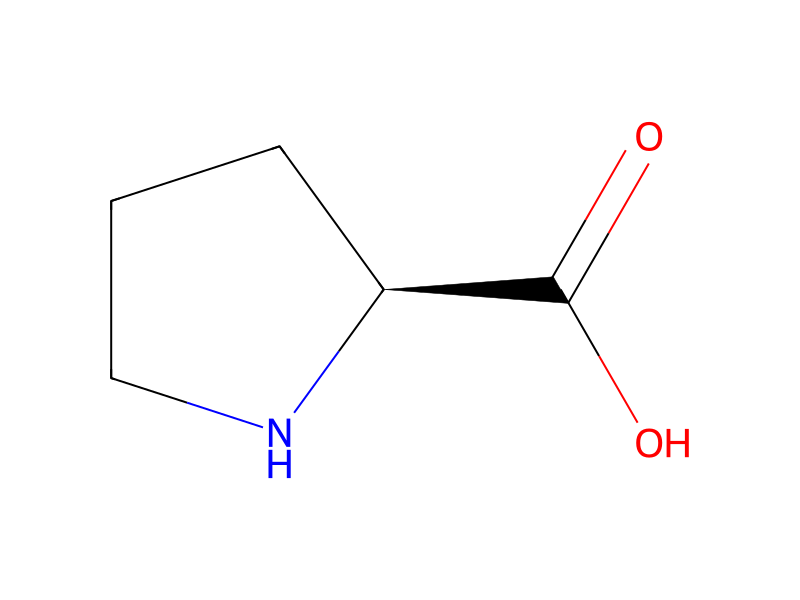
Into a 250-mL 3-necked round-bottom flask purged and maintained with an inert atmosphere of nitrogen, was placed a solution of ethyl 2-(2-bromophenyl)-2-oxoacetate (9 g, 35.01 mmol, 1.00 equiv) in N,N-dimethylformamide (60 mL). This was followed by the addition of pyrimidine-4-carboximidamide hydrochloride (5.53 g, 45.03 mmol, 1.29 equiv) and Cs2CO3 (11.38 g, 34.93 mmol, 1.00 equiv). The mixture was stirred for 20 min. To this was added L-proline (850 mg, 7.39 mmol, 0.21 equiv) and CuI (670 mg, 3.53 mmol, 0.10 equiv). The resulting solution was stirred for 2.5 h at 95° C. The reaction mixture was cooled to room temperature. The resulting mixture was concentrated under vacuum. The residue was dissolved in 50 mL of water. The solids were filtered out. The filtrate was washed with 2×50 mL of ethyl acetate. The pH value of the aqueous layer was adjusted to 5 with hydrogen chloride (2 mol/L). The resulting mixture was concentrated under vacuum. The crude product was purified by Flash. This resulted in 0.5 g (6%) of 2-(pyrimidin-4-yl)quinazoline-4-carboxylic acid as dark brown oil. MS (ESI) m/z 253 ([M+H]+).