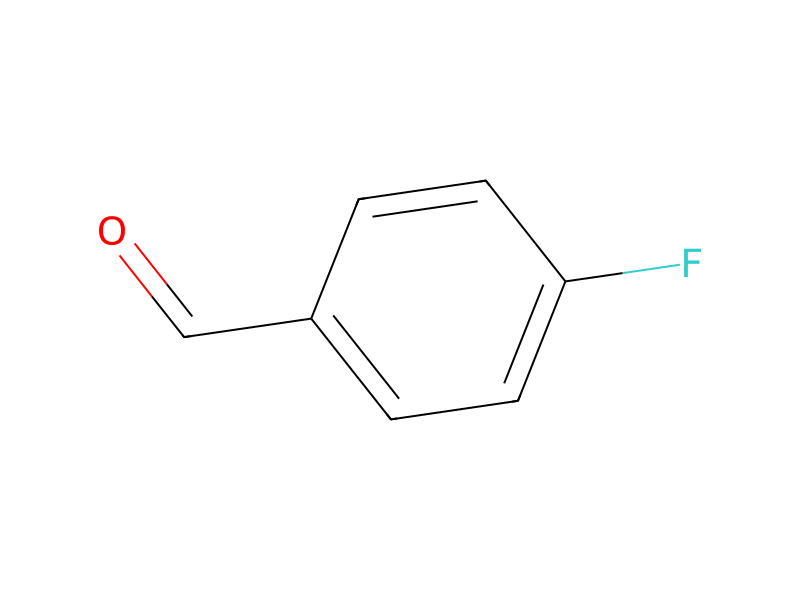
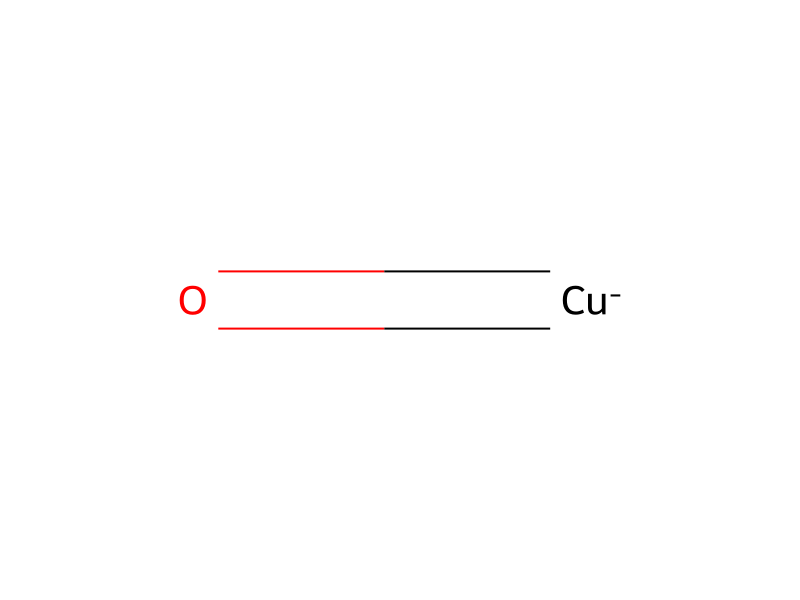
To a solution of 6.44 ml (60 mmol) of p-fluorobenzaldehyde in 40 ml of pyridine, 4.14 g (60 mmol) of 1,2,4-triazole, 0.286 g (2 mmol) of copper(I)oxide and 9.12 g (66 mmol) of potasium carbonate are succesively added at r.t. After stirring for 18 h at 125° C., the reaction mixture is concentrated under reduced pressure. The residue is diluted with CHCl3 and filtered through celite. The filtrate is concetrated and purified by flash column chromatography on silica gel (eluent: n-Hexane:AcOEt=4:1˜AcOEt only˜AcOEt: MeOH=20:1) to give 4-[1,2,4] triazol-1-yl-benzaldehyde as major product and 4-[1,3,4] triazol-1-yl-benzaldehyde as minor product. 1H-NMR (400 MHz, CDCl3): 7.61 (d, 2H, J=8.56 Hz), 8.09 (d, 2H, J=8.56 Hz), 8.59 (s, 1H), 10.10 (s, 1H) (minor product); 7.91 (d, 2H, J=7.07 Hz), 8.05 (d, 2H, J=7.07 Hz), 8.16 (s, 1H), 8.69 (s, 1H), 10.07 (s, 1H) (major product).