Potassium Carbonate → [4-(1-Benzyl-2,3-dimethyl-1H-indol-5-yl)-phenoxy]-acetonitrile
HRID 731036
反応式

[CH2:1]([N:8]1[C:16]2[C:11](=[CH:12][C:13]([C:17]3[CH:22]=[CH:21][C:20]([OH:23])=[CH:19][CH:18]=3)=[CH:14][CH:15]=2)[C:10]([CH3:24])=[C:9]1[CH3:25])[C:2]1[CH:7]=[CH:6][CH:5]=[CH:4][CH:3]=1.C([O-])([O-])=O.[K+].[K+].Br[CH2:33][C:34]#[N:35]>CC(C)=O>[CH2:1]([N:8]1[C:16]2[C:11](=[CH:12][C:13]([C:17]3[CH:18]=[CH:19][C:20]([O:23][CH2:33][C:34]#[N:35])=[CH:21][CH:22]=3)=[CH:14][CH:15]=2)[C:10]([CH3:24])=[C:9]1[CH3:25])[C:2]1[CH:3]=[CH:4][CH:5]=[CH:6][CH:7]=1参加物
5




実験手順
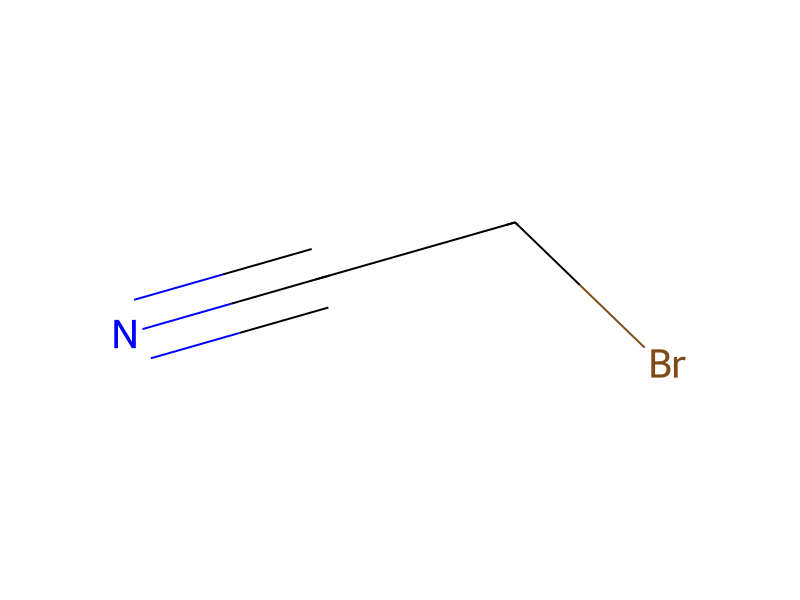
The desired product was prepared using a procedure similar to step 5 of example 3. Thus, 4-(1-benzyl-2,3-dimethyl-1H-indol-5-yl)-phenol (0.300 g, 0.916 mmol) was reacted with K2CO3 (0.152 g, 1.099 mmol) and bromoacetonitrile (0.132 g, 1.099 mmol) in acetone (10 ml) to give the product (0.207 g, 0.565 mmol, 62%) as a pale-blue solid, mp 167-169° C. 1H NMR (DMSO-d6) δ 2.25 (s, 3H), 2.28 (s, 3H), 5.19 (s, 2H), 5.39 (s, 2H), 6.98 (d, J=7.5 Hz, 2H), 7.12 (d, J=8.6 Hz, 2H), 7.21 (t, J=7.2 Hz, 1H), 7.26-7.30 (m, 3H), 7.39 (d, J=8.4 Hz, 1H), 7.65-7.67 (m, 3H); [ESI(+)], m/z 367 (M+H)+.