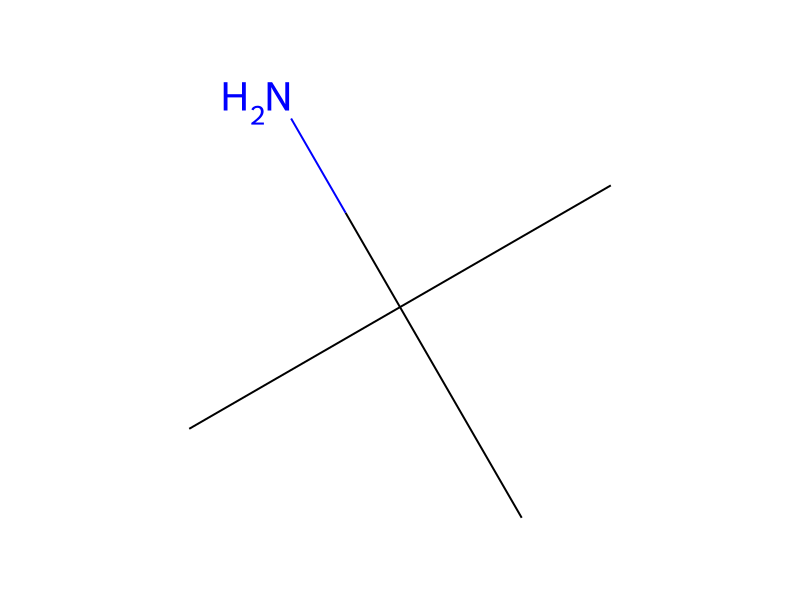
Tert-Butylamine → HCID 19881210、化合物
HRID 745307
反応式

[CH3:1][O:2][C:3]1[CH:4]=[C:5]2[C:10](=[CH:11][C:12]=1[O:13][CH3:14])[C:9]1=[CH:15][C:16]([Cl:20])=[N:17][C:18](=[O:19])[N:8]1[CH2:7][CH2:6]2.[C:21]([NH2:25])([CH3:24])([CH3:23])[CH3:22]>C(Cl)(Cl)Cl>[ClH:20].[CH3:1][O:2][C:3]1[CH:4]=[C:5]2[C:10](=[CH:11][C:12]=1[O:13][CH3:14])[C:9]1=[CH:15][C:16]([NH:25][C:21]([CH3:24])([CH3:23])[CH3:22])=[N:17][C:18](=[O:19])[N:8]1[CH2:7][CH2:6]2参加物
4



実験手順
A solution of 9,10-dimethoxy-2-chloro-6,7-dihydro-4H-pyrimido(6,1-a)isoquinolin-4-one (3.0 g) and tert.-butylamine (10.0 ml) in chloroform (75 ml) is heated under reflux for 16 hours. The solvent is evaporated under reduced pressure and the residue triturated with a dilute solution of sodium hydroxide to give a white precipitate. The precipitate is filtered, dried and converted into its hydrochloride by treating it in solution in ethanol with hydrochloric acid. The hydrochloride is crystallized from ethanol-ether mixture, yield 3.0 g, m.p. 265°-270° C.