Sodium Carbonate → 2-Caren-4-one
HRID 848430
反応式

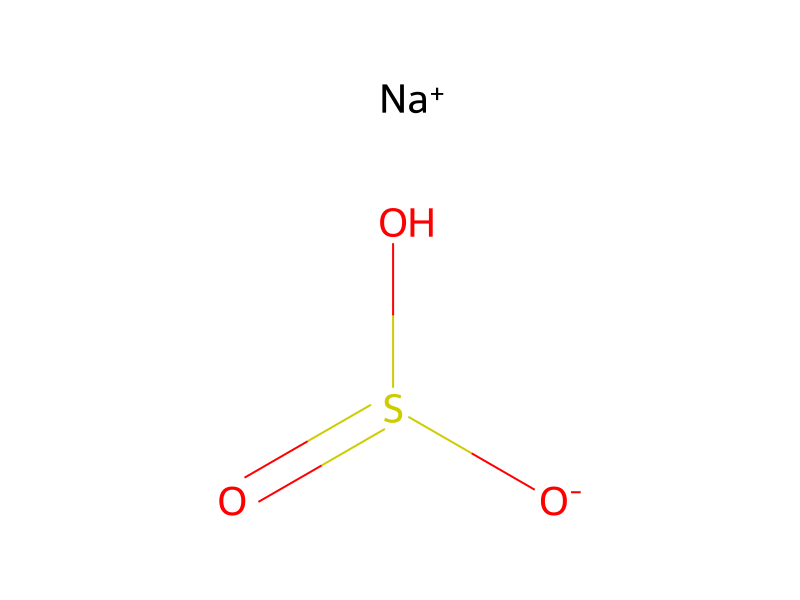
[CH:1]12[C:7]([CH3:9])([CH3:8])[CH:6]1[CH2:5][CH:4]=[C:3]([CH3:10])[CH2:2]2.N(Cl)=[O:12].C(=O)([O-])[O-].[Na+].[Na+].C12C(C)(C)C1CC(=NO)C(C)=C2.S(=O)(O)[O-].[Na+]>C(O)C>[CH:1]12[C:7]([CH3:9])([CH3:8])[CH:6]1[CH2:5][C:4](=[O:12])[C:3]([CH3:10])=[CH:2]2参加物
7





実験手順
The starting material 2-caren-4-one can be produced from commercially available, optically pure (+)-3-carene. The (+)-3-carene is treated with nitrosyl chloride followed by the addition of powdered sodium carbonate. The resulting 2-caren-4-one oxime is then treated with sodium bisulfite in aqueous ethanol to yield 2-caren-4-one, the desired starting product for the inventive process.
出典と根拠
- ORDレコード
- ord-31bd34f315bc43ddb229dd3ac6dd9fc2
- 出典データセット
- uspto-grants-1981_10
- 特許番号
- US04296038