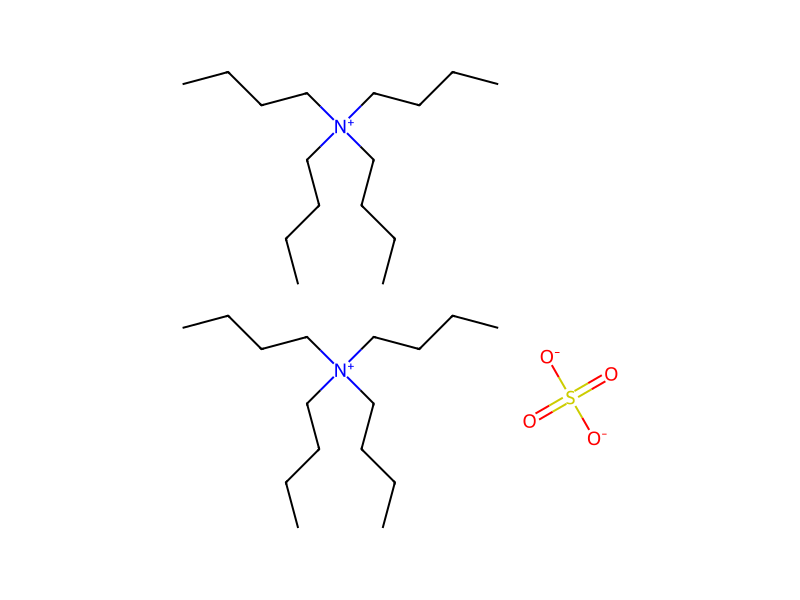
[CH3:1][O:2][C:3]1[C:4]2[CH:11]=[CH:10][NH:9][C:5]=2[N:6]=[CH:7][N:8]=1.[C:12]1([CH3:22])[CH:17]=[CH:16][C:15]([S:18](Cl)(=[O:20])=[O:19])=[CH:14][CH:13]=1.[OH-].[Na+]>C1(C)C=CC=CC=1.O.S([O-])([O-])(=O)=O.C([N+](CCCC)(CCCC)CCCC)CCC.C([N+](CCCC)(CCCC)CCCC)CCC>[CH3:1][O:2][C:3]1[C:4]2[CH:11]=[CH:10][N:9]([S:18]([C:15]3[CH:16]=[CH:17][C:12]([CH3:22])=[CH:13][CH:14]=3)(=[O:20])=[O:19])[C:5]=2[N:6]=[CH:7][N:8]=1A solution of 4-methoxy-7H-pyrrolo[2,3-d]pyrimidine [1.2 g, Reference Example 8] and para-toluene sulfonylchloride (1.77 g) in toluene (60 mL) was treated with a solution of sodium hydroxide (3.2 g) in water (30 mL), and tetrabutyl ammonium sulfate (27 mg). The solution was stirred vigorously at room temperature for 4 hours and partitioned between ethyl acetate and brine. The organic phase was separated, then dried over magnesium sulfate and then evaporated under reduced pressure. The residue was subjected to flash column chromatography on silica eluting with a gradient of ethyl acetate and cyclohexane (50:50 to 80:20, v/v) to give the title compound (2.23 g) as an amorphous solid. MS: 304 [MH]+. LCMS (Method B) RT=3.88 minutes.