Hydrochloric Acid → HCID 23081465、化合物
反応式

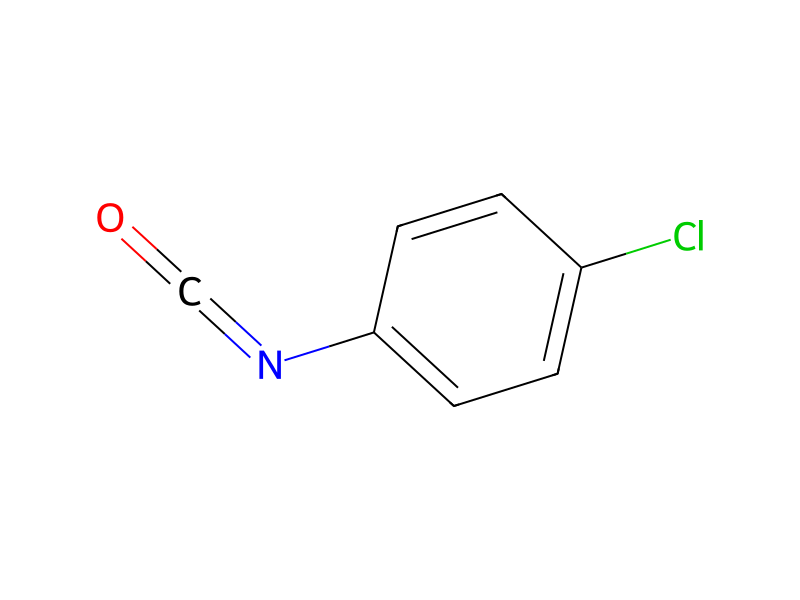
[Cl:1][C:2]1[CH:7]=[CH:6][C:5]([N:8]=[C:9]=[O:10])=[CH:4][CH:3]=1.[OH:11][CH2:12][CH2:13][CH:14]1[O:18][C:17]2=[N:19][C:20]([N+:22]([O-:24])=[O:23])=[CH:21][N:16]2[CH2:15]1.Cl>CN(C=O)C>[Cl:1][C:2]1[CH:7]=[CH:6][C:5]([NH:8][C:9](=[O:10])[O:11][CH2:12][CH2:13][CH:14]2[O:18][C:17]3=[N:19][C:20]([N+:22]([O-:24])=[O:23])=[CH:21][N:16]3[CH2:15]2)=[CH:4][CH:3]=1参加物
5




実験手順
4-Chlorophenylisocyanate (169 ml, 1.1 mmol) and cuprous chloride (50 mg, 0.5 mmol) was added to a solution of 2-hydroxyethyl-6-nitro-2,3-dihydroimidazo[2,1-b]oxazole prepared in Example 31 (0.2 g, 1.0 mmol) in DMF (5 ml) with cooling on ice-bath followed by stirring at room temperature for 4 hours. The mixture was cooled on ice-bath and added 10% hydrochloric acid. The resulting mixture was extracted with ethyl acetate, and the extract was washed with water, dried over magnesium sulfate, and then concentrated under reduced pressure. The residue was purified by silica gel column chromatography (methylene chloride/methanol=100/1) and crystallized from methylene chloride-isopropyl ether to afford 2-(6-nitro-2,3-dihydroimidazo[2,1-b]oxazol-2-yl)ethyl 4-chlorophenylcarbamate (0.16 g, yield 45%) as a white solid.