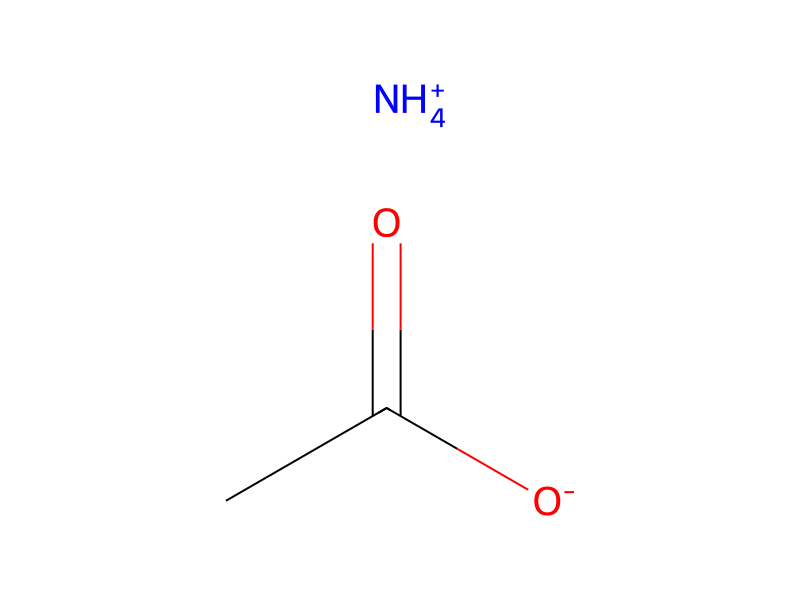
A mixture of 5-(6-butylamino-imidazo[1,2-b]pyridazin-3-yl)-indan-1-one (50 mg, 0.16 mmol), ammonium acetate (500 mg), and methanol (5 mL) was maintained at RT for 5 min, then treated with sodium cyanoborohydride (500 mg). The resulting mixture was heated to 50° C. and maintained 16 h, then cooled to RT and concentrated under reduced pressure. The residue was partitioned between ethyl acetate and saturated aqueous sodium bicarbonate. The layers were separated and the aqueous layer was extracted with ethyl acetate (2×). The combined organic layers were washed with brine, then dried (MgSO4), filtered and concentrated to afford a residue that was purified by reverse phase HPLC to afford [3-(1-amino-indan-5-yl)-imidazo[1,2-b]pyridazin-6-yl]-butyl-amine (26 mg, 52%) as a white solid: 1H NMR (400 MHz, METHANOL-d4) δ ppm 8.22 (s, 1H), 8.12 (d, J=8.1 Hz, 1H), 7.78 (s, 1H), 7.54-7.66 (m, 2H), 6.72 (d, J=9.6 Hz, 1H), 4.77-4.83 (m, 1H), 3.38 (t, J=7.2 Hz, 2H), 3.18-3.30 (m, 1H), 3.01-3.13 (m, 1H), 2.59-2.73 (m, 1H), 2.06-2.22 (m, 1H), 1.72 (quin, J=7.4 Hz, 2H), 1.43-1.57 (m, 2H), 1.02 (t, J=7.3 Hz, 3H); LCMS (ESI) m/e 322.3 [(M+H)+, calcd for C19H24N5 322.2].