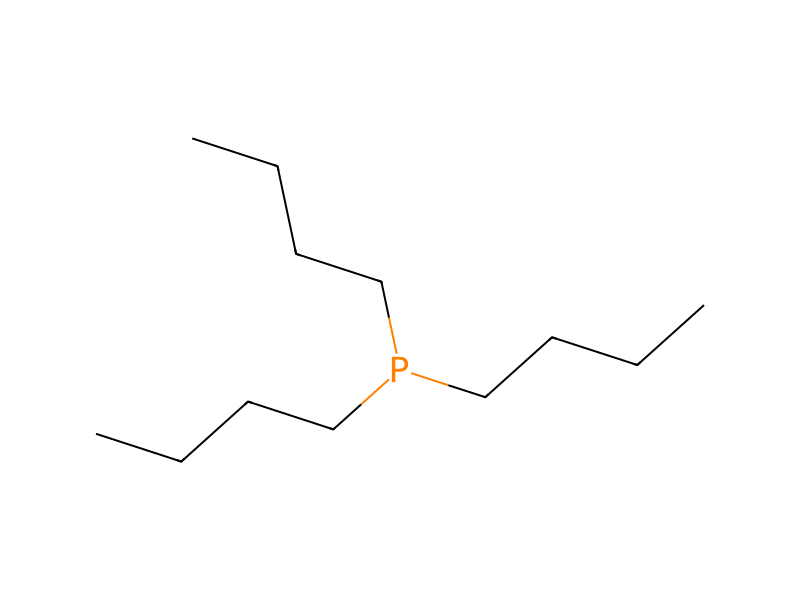
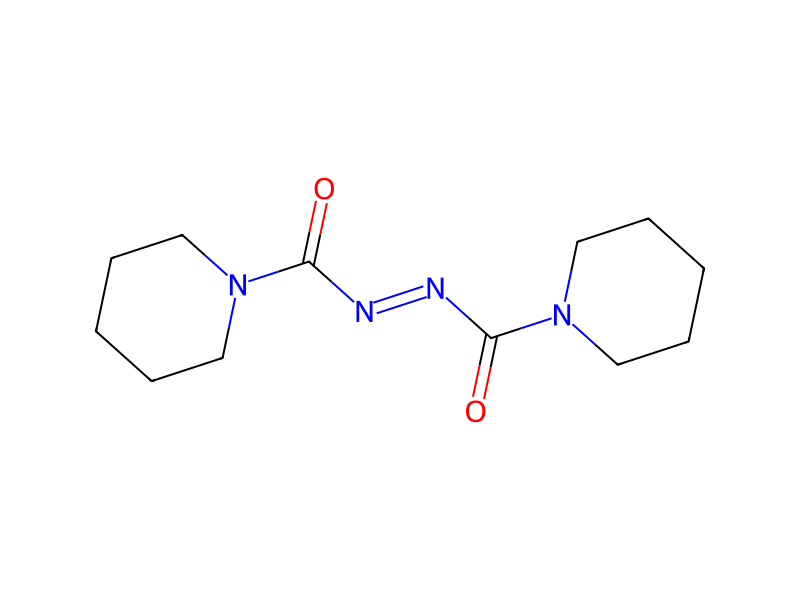
[CH2:1]([O:3][C:4]([C:6]1[NH:7][C:8]2[C:13]([CH:14]=1)=[CH:12][CH:11]=[C:10]([OH:15])[CH:9]=2)=[O:5])[CH3:2].[CH:16]([N:19]1[CH2:23][CH2:22][CH:21](O)[CH2:20]1)([CH3:18])[CH3:17].C(P(CCCC)CCCC)CCC.N(C(N1CCCCC1)=O)=NC(N1CCCCC1)=O>C1COCC1>[CH2:1]([O:3][C:4]([C:6]1[NH:7][C:8]2[C:13]([CH:14]=1)=[CH:12][CH:11]=[C:10]([O:15][CH:21]1[CH2:22][CH2:23][N:19]([CH:16]([CH3:18])[CH3:17])[CH2:20]1)[CH:9]=2)=[O:5])[CH3:2]A mixture of 1 g (4.8 mmol) ethyl-6-hydroxyindole-2-carboxylate (Journal of the American Chemical Society (1967), 89(13), 3349-50), 0.81 g (6.3 mmol) 1-isopropyl-3-pyrrolidinol, 2.83 ml (11 mmol) tri-n-butyl-phosphine and 2.56 g (9.75 mmol) 1,1′azodicarbonyl-dipiperidine in 50 ml THF was stirred at room temperature for 16 h. The suspension was filtered and the filtrated evaporated to dryness. The residue was purified with column chromatography on silica eluting with a gradient from DCM/2N NH3 in MeOH 99/1 to 19/1. The product containing fractions were combined and evaporated to dryness to yield a brown oil which was crystallized from diethyl ether and heptane to afford 0.5 g of brownish crystals (MS (m/e): 317.1 (MH+, 100%)). and after evaporation of the filtrate 0.6 g of slightly impure product which was used without further purification in the consecutive step.