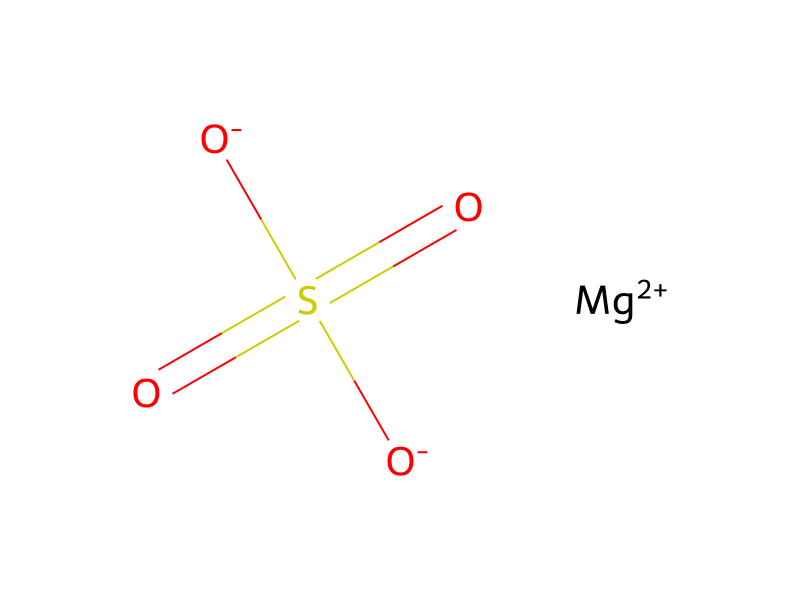
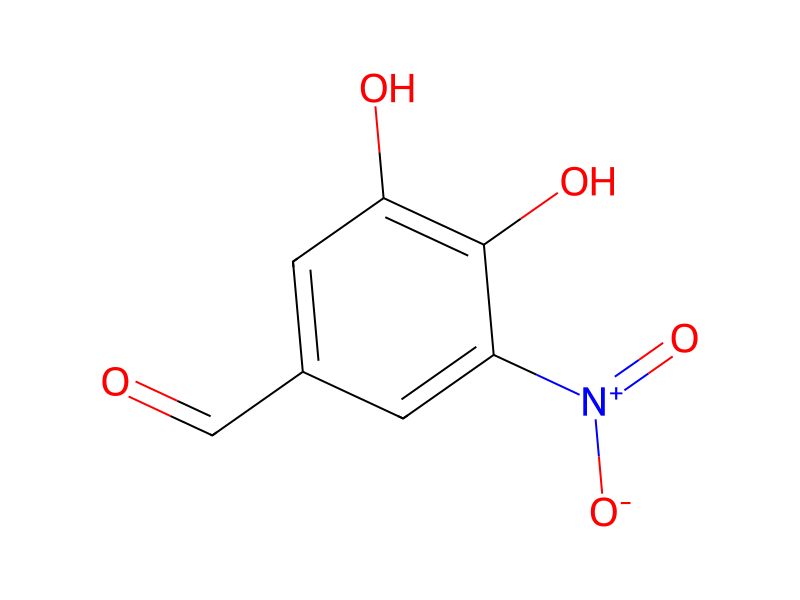
A mixture of 3,4-dihydroxy-5-nitrobenzaldehyde (5 g, 27.3 mmol), hydroxylamine hydrochloride (2.467 g, 35.5 mmol), p-toluenemethanesulfonic acid (0.779 g, 4.10 mmol) and magnesium sulfate (26.3 g, 218 mmol) in toluene (25 ml) was heated at reflux for 6 hours. The reaction mixture was cooled to room temperature; the reaction mixture was partitioned between ethyl acetate and water. The layers were separated and aqueous layer was extracted with ethyl acetate two more times. The combined organic layers were washed with water and brine, dried over magnesium sulfate, filtered and concentrated in vacuo to a small volume and a brown precipitate formed. The precipitate was collected by filtration and after drying under vacuum to give 4.1 g of 4-chloro-3-hydroxy-5-nitrobenzonitrile.