反応式
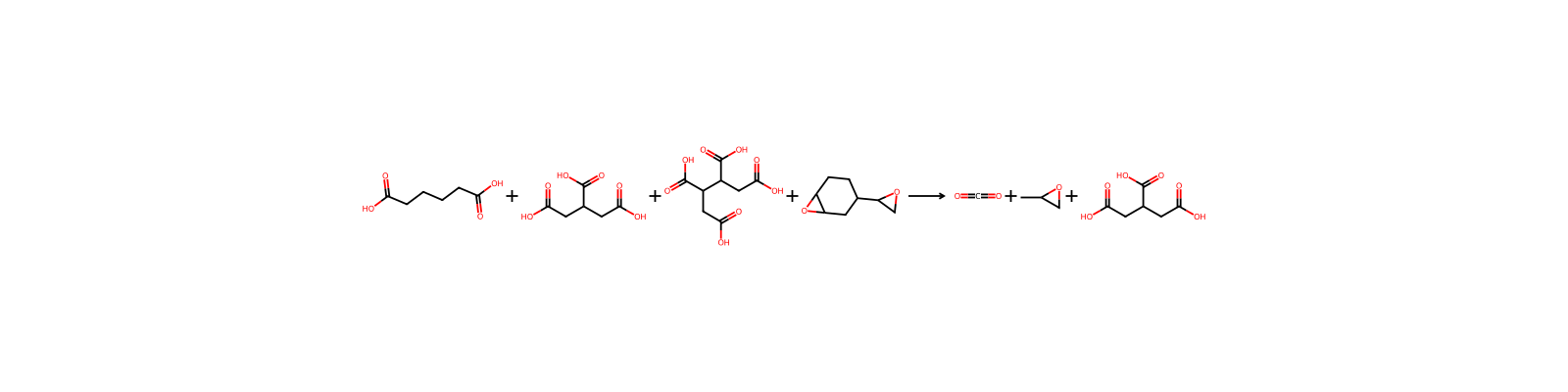
[C:1]([OH:10])(=O)[CH2:2][CH2:3]CC[C:6]([OH:8])=[O:7].[C:11]([OH:22])(=[O:21])[CH2:12][CH:13]([CH2:17][C:18]([OH:20])=[O:19])[C:14]([OH:16])=[O:15].C(C(O)=O)C(C(O)=O)C(C(O)=O)CC(O)=O.C1C(C2OC2)CC2OC2C1>>[C:6](=[O:8])=[O:7].[CH2:1]1[O:10][CH:2]1[CH3:3].[C:11]([OH:22])(=[O:21])[CH2:12][CH:13]([CH2:17][C:18]([OH:20])=[O:19])[C:14]([OH:16])=[O:15]参加物


実験手順
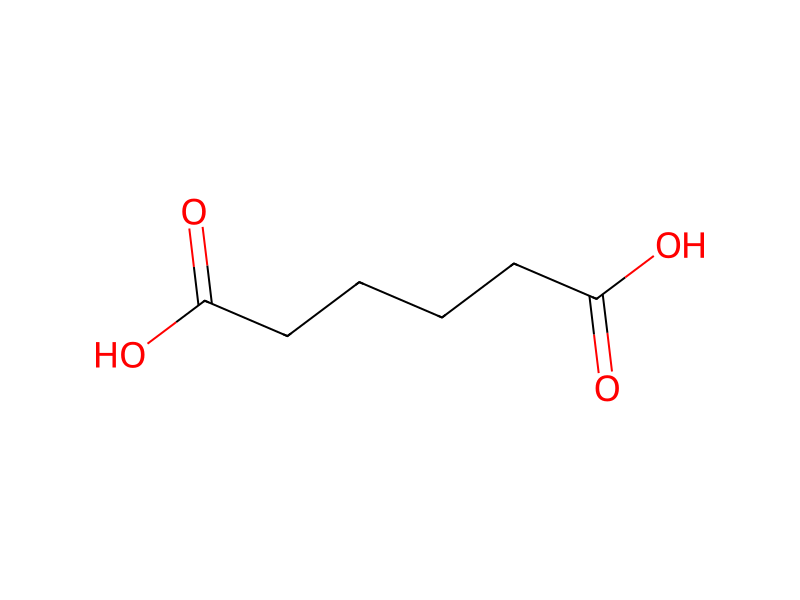
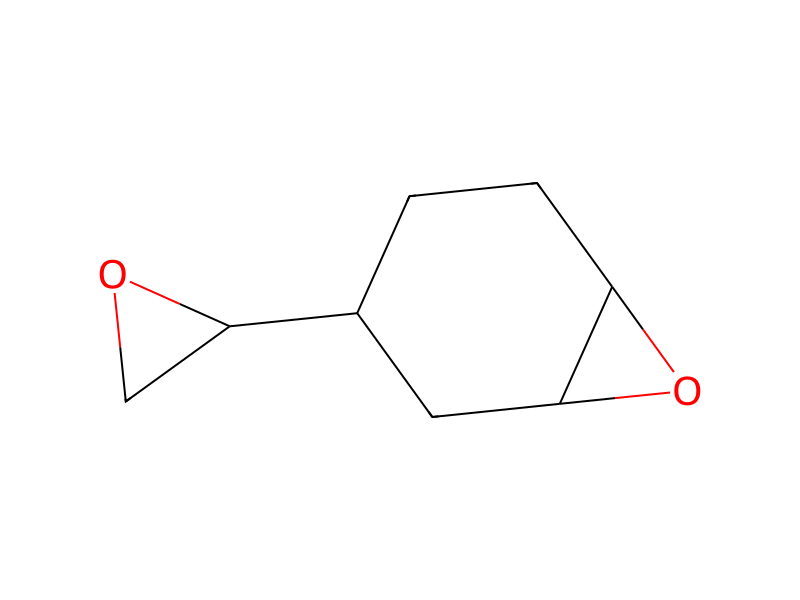
After fixing a chain transfer agent to control a molar fraction of —COOH group to 45 relative to a molar fraction of the catalyst and then introducing adipic acid, 5.9 mg (Entries 1 to 5); tricarballylic acid, 5.1 mg (Entries 6 to 10); 1,2,3,4-butane tetracarboxylic acid, 4.7 mg (Entries 11 to 15)) into a reactor, vinylcyclohexene dioxide was weighed to numeral values listed in TABLE 3, relative to the molar fraction of the catalyst and then introduced (into the reactor). Then, polymerization was executed and the catalyst was removed according to the same procedures as described in Example 1, resulting in pure copolymer. TABLE 3 summarizes results of the polymerization. FIG. 2 shows GPC curves of a copolymer obtained by carbon dioxide/propylene oxide copolymerization in the presence of tricarballylic acid (C3H5(CO2H)3) and diepoxide, wherein reference numeral in each curve denotes an entry number in TABLE 2.
後処理
- additionintroduced (into the reactor)
- customThen, polymerization
- customthe catalyst was removed
- customresulting in pure copolymer
- customTABLE 3 summarizes results of the polymerization
出典と根拠
- ORDレコード
- ord-49e07011850448748199983a8c14f118
- 出典データセット
- uspto-grants-2016_03
- 特許番号
- US09284407B2
関連ノート
読み込み中…