
3,4-ジカルボキシヘキサン二酸
1,2,3,4-Butanetetracarboxylic acid

基本情報
- CAS
1703-58-8- 標準SMILES
O=C(O)CC(C(=O)O)C(CC(=O)O)C(=O)O- InChIKey
GGAUUQHSCNMCAU-UHFFFAOYSA-N- 分子式
- C8H10O8
- 平均分子量
- 234.16 g/mol
- 単同位体質量
- 234.03756727
概要
Leaflets (from water) or white powder. (NTP, 1992)
名称と識別子
- 優先名称
- 1,2,3,4-Butanetetracarboxylic acid
- IUPAC
- butane-1,2,3,4-tetracarboxylic acid
- 現地名
- 3,4-ジカルボキシヘキサン二酸
- 英語名
- 1,2,3,4-Butanetetracarboxylic acid
- 分子式
- C8H10O8
- 分子量
- 234.16
名称と別名
1,2,3,4-BUTANETETRACARBOXYLIC ACID1703-58-8Butanetetracarboxylic acidDTXSID6024670DTXCID704670RefChem:410478butane-1,2,3,4-tetracarboxylic acidC8H10O8Ethyl-3-chlorophenylacetateMFCD00002722GGAUUQHSCNMCAU-UHFFFSCHEMBL22151
名称をさらに表示
1,2,3,4-ブタンテトラカルボン酸2,3-ビス(カルボキシメチル)こはく酸ブタン-1,2,3,4-テトラカルボン酸3,4-ジカルボキシヘキサン二酸1,2,3,4‐ブタンテトラカルボン酸BTCA1,2,3,4-ButaneTetraCarboxylic1,2,3,4-ButanetetracButanetetraacetic acidbutanetetracarboxylicacid1,2,3,4-TETRACARBOXYBUTANE1,2,3,4-ButanetetracarboxyL2,3-Bis(carboxymethyl)succinic acid
MLS004491893CHEMBL1574612GGAUUQHSCNMCAU-UHFFFAOYSA-1,3,4-Butanetetracarboxylic acidNSC-21371Meso-1,2,3,4-butanetetracarboxylic acidCAS-1703-58-8SCHEMBL2864190
データベース識別子
- CAS
1703-58-8- PubChem CID
- 15560
- DTXSID
DTXSID6024670- ChEMBL
CHEMBL1574612- EC Number
- 216-938-0
- Nikkaji
- J42.089A
物性
構造計算による物性
- XLogP
- -1.7
- 極性表面積
- 149 Ų
- 水素結合供与体数
- 4
- 水素結合受容体数
- 8
- 回転可能結合数
- 7
- 重原子数
- 16
- 形式電荷
- 0
- 複雑度
- 288
実験および物理化学的性質
Chemical ClassesOther Classes -> Organic Acids
Solubilitygreater than or equal to 100 mg/mL at 66 °F (NTP, 1992)
Melting Point385 °F (NTP, 1992)
Physical Description
Leaflets (from water) or white powder. (NTP, 1992)
Solid; [CAMEO] Off-white powder; [Alfa Aesar MSDS]
Collision Cross Section137.9 Ų [M-H]- [CCS Type: DT; Buffer gas: N2; Ionization: ESI-; Dataset: TOXCAST; Source Identifier: DTXSID6024670]
物理化学的性質
- 融点
- 193 · 193-197 °C
- 沸点
- 296.47 °C · 296.47°C (rough estimate)
- 比重(密度)
- 1.504 · 1.5040 (rough estimate)
- 蒸気圧
- 0 Pa · 0Pa at 25℃
- 屈折率
- 1.58 · 1.5800 (estimate)
- 貯蔵温度
- Sealed in dry,Room Temperature
- 溶解性
- 118 g/リットル · 118g/リットル
- 外見
- 結晶性粉末
- 酸解離定数(Pka)
安全と法規制
安全情報は参考情報です。供給元の安全データシート(SDS)、適用法令、専門家による評価に代わるものではありません。
GHS分類
GHS Classification
This chemical does not meet GHS hazard criteria for 0.5% (1 of 199) of reports.
Warning
H302 (99.5%): Harmful if swallowed [Warning Acute toxicity, oral]
P264, P264+P265, P270, P280, P301+P317, P305+P351+P338, P330, P337+P317, and P501 (click each P-code to see the statement)
Aggregated GHS information provided per 199 reports by companies from 8 notifications to the ECHA C&L Inventory. Each notification may be associated with multiple companies.
危険有害性情報
Regulatory Information
Chemical: 1,2,3,4-Butanetetracarboxylic acid
REACH registered substance: Butane-1,2,3,4-tetracarboxylic acid (EC: 216-938-0)
Fire HazardsFlash point data for this chemical are not available; however, it is probably combustible. (NTP, 1992)
Health HazardsACUTE/CHRONIC HAZARDS: When heated to decomposition this compound emits acrid smoke and irritating fumes. (NTP, 1992)
Hazards Summary
No developmental toxicity or teratogenicity observed in rats at doses maternally toxic (1 mortality, reduced body weight, and reduced weight gain at the highest dose of 1,000 mg/kg/day); [NTP] A severe eye irritant; [RTECS] An irritant that may cause serious eye injury; Harmful by ingestion; [Alfa Aesar MSDS]
Reactive GroupAcids, Carboxylic
Reactivity Profile
1,2,3,4-BUTANETETRACARBOXYLIC ACID is a carboxylic acid. Carboxylic acids donate hydrogen ions if a base is present to accept them. They react in this way with all bases, both organic (for example, the amines) and inorganic. Their reactions with bases, called "neutralizations", are accompanied by the evolution of substantial amounts of heat. Neutralization between an acid and a base produces water plus a salt. Carboxylic acids with six or fewer carbon atoms are freely or moderately soluble in water; those with more than six carbons are slightly soluble in water. Soluble carboxylic acid dissociate to an extent in water to yield hydrogen ions. The pH of solutions of carboxylic acids is therefore less than 7.0. Many insoluble carboxylic acids react rapidly with aqueous solutions containing a chemical base and dissolve as the neutralization generates a soluble salt. Carboxylic acids in aqueous solution and liquid or molten carboxylic acids can react with active metals to form gaseous hydrogen and a metal salt. Such reactions occur in principle for solid carboxylic acids as well, but are slow if the solid acid remains dry. Even "insoluble" carboxylic acids may absorb enough water from the air and dissolve sufficiently in it to corrode or dissolve iron, steel, and aluminum parts and containers. Carboxylic acids, like other acids, react with cyanide salts to generate gaseous hydrogen cyanide. The reaction is slower for dry, solid carboxylic acids. Insoluble carboxylic acids react with solutions of cyanides to cause the release of gaseous hydrogen cyanide. Flammable and/or toxic gases and heat are generated by the reaction of carboxylic acids with diazo compounds, dithiocarbamates, isocyanates, mercaptans, nitrides, and sulfides. Carboxylic acids, especially in aqueous solution, also react with sulfites, nitrites, thiosulfates (to give H2S and SO3), dithionites (SO2), to generate flammable and/or toxic gases and heat. Their reaction with carbonates and bicarbonates generates a harmless gas (carbon dioxide) but still heat. Like other organic compounds, carboxylic acids can be oxidized by strong oxidizing agents and reduced by strong reducing agents. These reactions generate heat. A wide variety of products is possible. Like other acids, carboxylic acids may initiate polymerization reactions; like other acids, they often catalyze (increase the rate of) chemical reactions
化学と産業
用途と製造
Uses
Widely used in industry with possible new applications in finishing permanent press fabrics; [NTP]
Textiles (Printing, Dyeing, or Finishing) [Category: Industry]
General Manufacturing Information1,2,3,4-Butanetetracarboxylic acid: ACTIVE
応用分野
使用1,2,3,4-Butanetetracarboxylic acid is used as a cross linking agent to prepare cotton cellulose in order to improve anti-prilling and flame retardant properties. It is used as a spacer in the cross-linking of titania nanoparticles to cotton. Further, it is used as a nonformaldehyde durable press finishing agent.
一般的な説明Leaflets (from water) or white powder.
調製方法
製造方法1,2,3,4-butanetetracarboxylic acid is obtained by oxidation of tetrahydrophthalic anhydride.1,2,3,4-butanetetracarboxylic acid is prepared by oxidative cleavage of tetraphthalic acid or anhydride by oxidation with ozone-containing gas, followed by oxygen-containing gas, with the mixture then being heated with a peroxide, e.g. H2 O2, at 100° C. to produce the butanetetracarboxylic acid.Process for preparing 1,2,3,4-butanetetracarboxylic acid
上流・下流製品情報
上流原料
関連反応
9 件

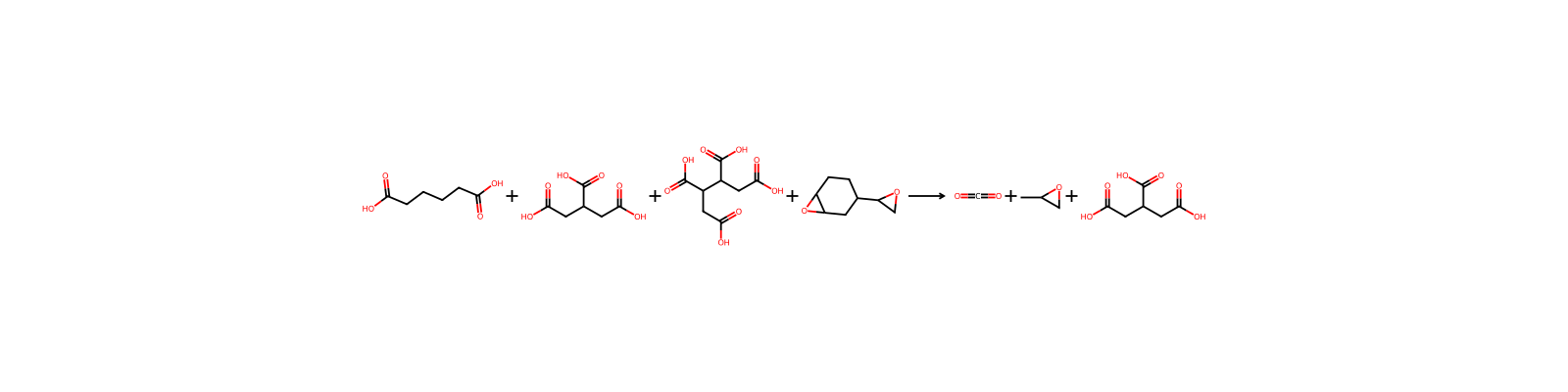


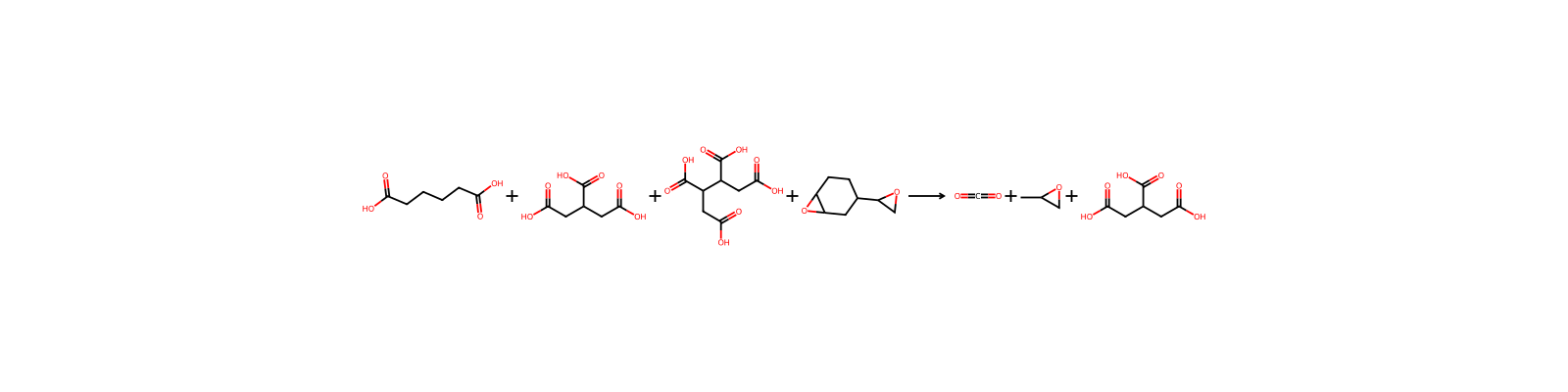


化合物ノート
読み込み中…