ホームMCPワークベンチSkills
ホームワークベンチ通知マイページ
llms.txt · MCPガイドプライバシーポリシー · 利用規約 · サポートv1.8.0
  1. ホーム
  2. /反応

Hydrochloric Acid → 5-chloro-2,4-dihydroxybenzaldehyde

HRID 968918
ノート
印刷プレビュー

反応式

HRID 968918 の反応式
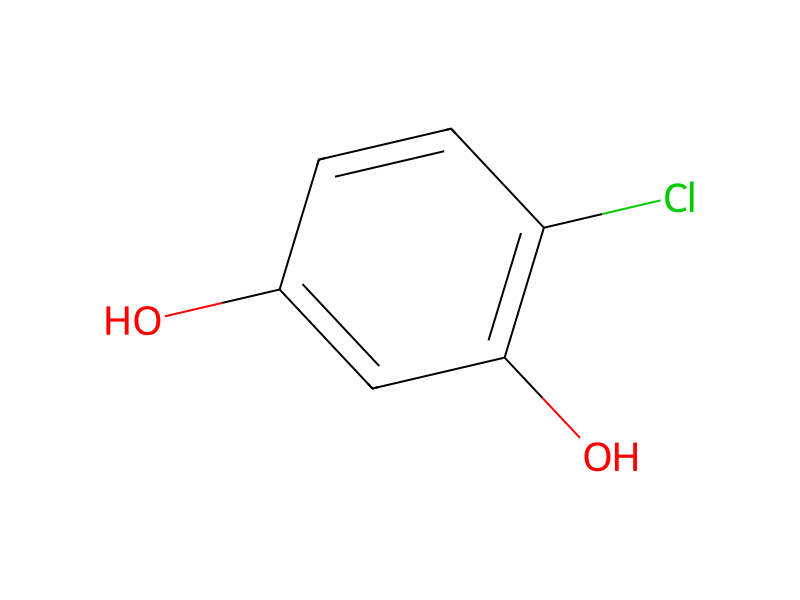
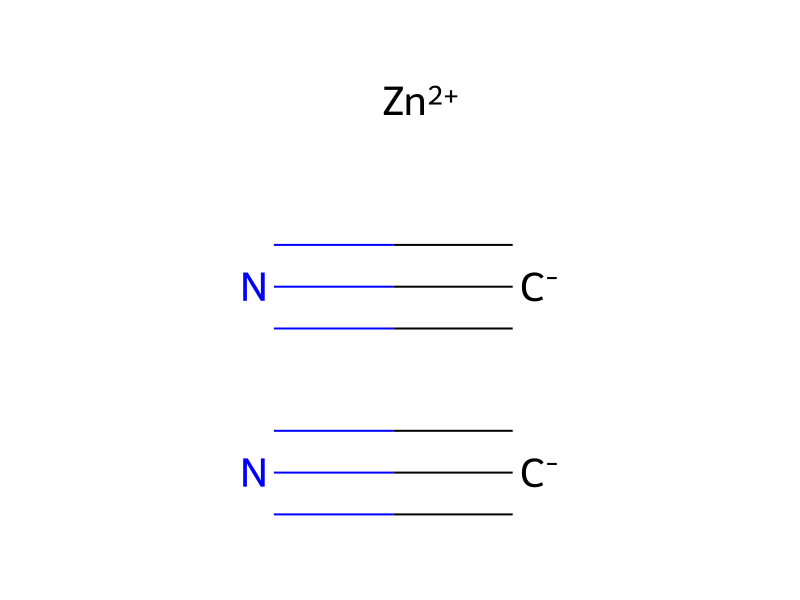
Cl.[Cl:2][C:3]1[CH:9]=[CH:8][C:6]([OH:7])=[CH:5][C:4]=1[OH:10].C[CH2:12][OH:13]>[C-]#N.[C-]#N.[Zn+2]>[OH:7][C:6]1[CH:5]=[C:4]([OH:10])[C:3]([Cl:2])=[CH:9][C:8]=1[CH:12]=[O:13]
参加物反応条件実験手順後処理出典と根拠反応ノート

参加物

5

反応物 3

HCID 313Hydrochloric Acid2 回HCID 702EthanolHCID 17314-Chlororesorcinol

生成物 1

HCID 147660725-chloro-2,4-dihydroxybenzaldehyde収率 11.5%

試薬・触媒・溶媒 1

HCID 11186Zinc cyanide (Zn(CN)2)触媒

反応条件

温度
100 °C

実験手順

At 0° C., a stream of hydrogen chloride was blown into a suspension of 4-chlororesorcinol (10.9 g, 75.43 mmol), Zn(CN)2 (13.5 g, 115 mmol), and KCL (0.25 g, 3.36 mmol) in EtOH (35 mL). The solution was stirred at 0° C. until the absorption of HCl gas stopped. The stirring was continued for another 2 hours at 10° C., during which more precipitate formed. After the precipitate was allowed to settle, the ethereal solution was decanted. The solid was treated with ice water (about 100 mL) and then heated to 100° C. for 0.5 hours. Upon cooling to room temperature, the product was formed as a solid at the bottom of the flask. Filtration and drying under a high vacuum afforded the desired product as a white solid (1.5 g, 11.5%).


後処理

  1. customthe ethereal solution was decanted
  2. additionThe solid was treated with ice water (about 100 mL)
  3. temperatureUpon cooling to room temperature
  4. customthe product was formed as a solid at the bottom of the flask
  5. filtrationFiltration
  6. customdrying under a high vacuum

出典と根拠

ORDレコード
ord-5e2d69513e2340b7a1ee9f4a55cfd03e
出典データセット
uspto-grants-2007_12
DOI
10.6084/m9.figshare.5104873.v1
特許番号
US07304168B2

反応ノート

読み込み中…

このページの内容参加物反応条件実験手順後処理出典と根拠反応ノート