ホームMCPワークベンチSkills
ホームワークベンチ通知マイページ
llms.txt · MCPガイドプライバシーポリシー · 利用規約 · サポートv1.8.3
  1. ホーム
  2. /反応

Propylene Oxide → 3-Aminopropyl(propargyl)-phosphinic acid

HRID 973611
印刷

反応式

HRID 973611 の反応式
[NH2:1][CH2:2][CH2:3][CH2:4][P:5]([OH:7])[OH:6].C[Si](C)(C)N[Si](C)(C)C.C(N(C(C)C)[CH:20]([CH3:22])[CH3:21])C.C(Br)C#C.C1OC1C>CO.COCCOCCOC>[NH2:1][CH2:2][CH2:3][CH2:4][P:5]([CH2:22][C:20]#[CH:21])(=[O:7])[OH:6]
参加物実験手順後処理出典と根拠反応ノート

参加物

8

反応物 5

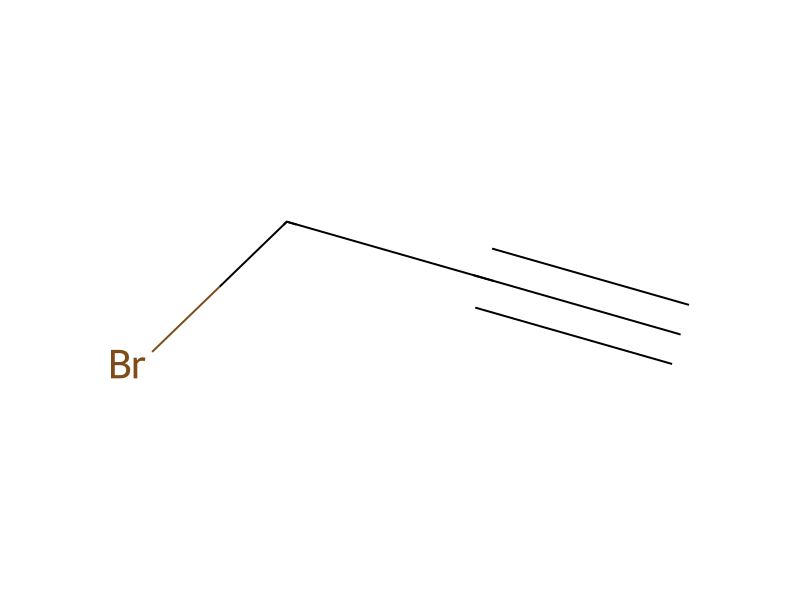
HCID 6378Propylene OxideHCID 7842Propargyl bromideHCID 13838HexamethyldisilazaneHCID 81531DiisopropylethylamineHCID 99892683-Amino-propanephosphonous

生成物 1

HCID 98555583-Aminopropyl(propargyl)-phosphinic acid

試薬・触媒・溶媒 2

HCID 887
Methanol
溶媒
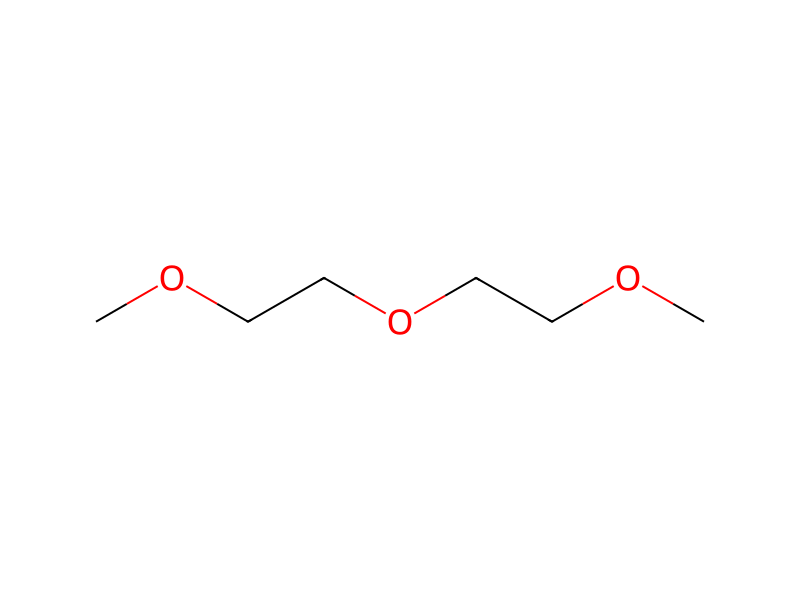
HCID 8150Diglyme溶媒

実験手順

A suspension of 1,23 g (10 mmol) of 3-aminopropylphosphonous acid in 10.4 ml (50 mmol) of hexamethyldisilazane is heated to reflux under argon for 24 hours. 5 ml of diethylene glycol dimethyl ether are added to the clear solution obtained and the mixture is heated for additional 2 hours and then cooled to 0°. 8.5 ml (50 mmol) of N-ethyl-N,N-diisopropyl-amine are added, followed by slow addition of 3.8 ml (50 mmol) of propargyl bromide over a period of 40 minutes. The mixture is stirred for 1 hour at 0° and 4 hours at room temperature, filtered and evaporated under high vacuum. The residue is dissolved in 10 ml of dichloromethane and extracted with 3×10 ml of 1 N hydrochloric acid solution. The water layer is evaporated under high vacuum and the residue obtained dissolved in 4 ml of methanol at 0°. 20 ml of propylene oxide are added during a period of 1 hour, after which time a crude product precipitates. Chromatography (silicagel Merck 230-400 ASTM, methanol) followed by recrystallization (methanol/ether) yields 3-aminopropyl(propargyl)-phosphinic acid, m.p. 172°-173°.

後処理

  1. temperatureis heated
  2. temperatureto reflux under argon for 24 hours
  3. customobtained
  4. temperaturethe mixture is heated for additional 2 hours
  5. temperaturecooled to 0°
  6. filtrationfiltered
  7. customevaporated under high vacuum
  8. dissolutionThe residue is dissolved in 10 ml of dichloromethane
  9. extractionextracted with 3×10 ml of 1 N hydrochloric acid solution
  10. customThe water layer is evaporated under high vacuum
  11. customthe residue obtained
  12. customafter which time a crude product precipitates
  13. customChromatography (silicagel Merck 230-400 ASTM, methanol) followed by recrystallization (methanol/ether)

出典と根拠

ORDレコード
ord-a1925a7fea884665a2ebdacbbf2b9a60
出典データセット
uspto-grants-1991_11
DOI
10.6084/m9.figshare.5104873.v1
特許番号
US05064819

反応ノート

このページの内容参加物実験手順後処理出典と根拠反応ノート