反応式

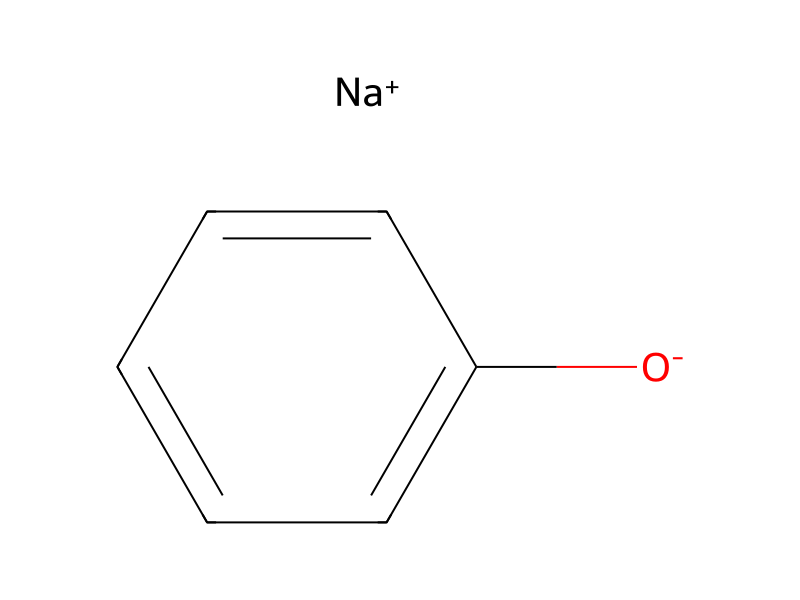
[Cl:1][P:2]1(Cl)[N:7]=[P:6](Cl)([Cl:8])[N:5]=[P:4]([Cl:11])(Cl)[N:3]=1.[O-:13][C:14]1[CH:19]=[CH:18][CH:17]=[CH:16][CH:15]=1.[Na+]>>[Cl:1][P:2]1([O:13][C:14]2[CH:19]=[CH:18][CH:17]=[CH:16][CH:15]=2)[N:7]=[P:6]([Cl:8])([O:13][C:14]2[CH:19]=[CH:18][CH:17]=[CH:16][CH:15]=2)[N:5]=[P:4]([Cl:11])([O:13][C:14]2[CH:19]=[CH:18][CH:17]=[CH:16][CH:15]=2)[N:3]=1参加物
3


実験手順
Examples 8 to 12 below illustrate embodiments of the invention in which hexachlorocyclotriphosphazene (compound 1) is reacted first with sodium phenoxide to produce an intermediate (trischlorotrisphenoxycyclotriphosphazene), 19 which is then reacted without separation with sodium 4-nitrophenoxide to afford tris(4-nitrophenoxy)tris(phenoxy)cyclotriphosphazene 20. The nitro groups of 20 are reduced to afford the corresponding tris amino compound 21 which is then used according to Scheme I or Scheme II shown in FIG. 2 and FIG. 3, respectively.
出典と根拠
- ORDレコード
- ord-26873eb24d11451683ca63ba9e279889
- 出典データセット
- uspto-grants-1987_01
- 特許番号
- US04634759
関連ノート
読み込み中…