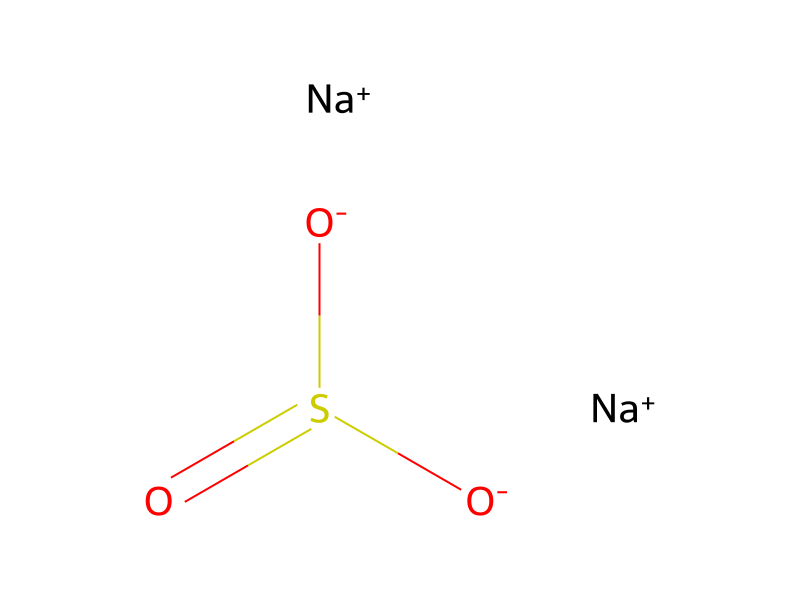
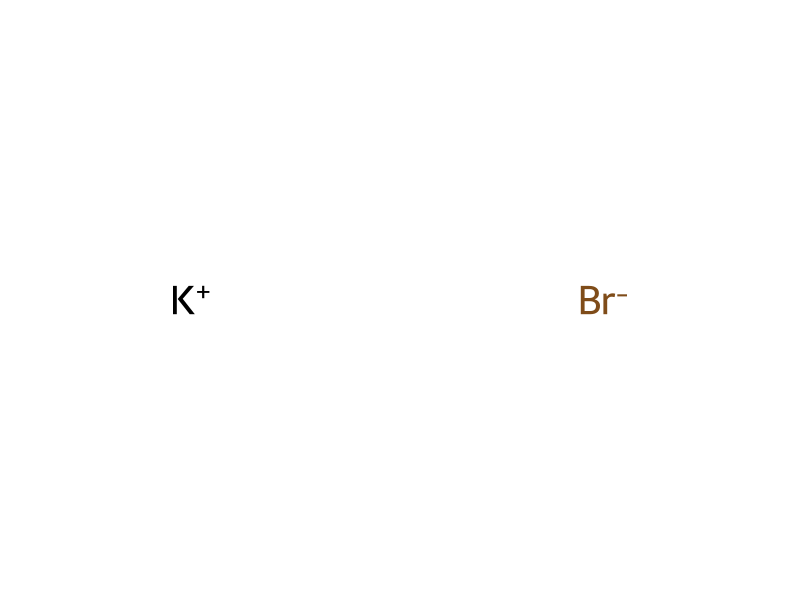
Imidazo[1,2-α]pyridine-7-carboxaldehyde (0.92 g, 9.38 mmol) and sodium acetate (0.62 g, 7.52 mmol) were dissolved in a saturated solution of potassium bromide in methanol (20 ml) and cooled to 0° C. before dropwise addition of bromine (1.05 g, 6.58 mmol) over 5 min. The mixture was allowed to stir for 15 minutes before adding saturated sodium sulphite solution (1 ml). The reaction was evaporated to dryness and the residue partitioned between ethyl acetate and 10% sodium sulfate solution. The organics were washed with water, brine, dried over sodium sulfate and concentrated to give a yellow oil. This oil was purified by flash column chromatography on silica eluting with dichloromethane/methanol/conc. ammonia (gradient 99:1:0.1 through to 97:3:0.3) to give 3-bromo-imidazo[1,2-α]pyridine-7-carboxaldehyde (1.20 g, 85%) as a yellow solid. 1H NMR (360 MHz, CDCl3) δH 7.47 (1H, dd, J 7 and 1), 7.84 (1H, s), 8.12 (1H, d, J 2), 8.36 (1H, d, J 7 and 1), 10.03 (1H, s).