홈MCP워크벤치Skills
홈워크벤치알림마이페이지
llms.txt · MCP 가이드개인정보처리방침 · 이용약관 · 지원v1.8.0
  1. 홈
  2. /화합물

인산 나트륨, 일염기, 모노수화물

Phosphoric Acid

HCID 1004
새 노트새 반응견적 요청하기
인쇄 미리보기

데이터를 보충하는 중입니다. 잠시 후 페이지를 새로 고치면 최신 내용을 볼 수 있습니다

기본 정보개요이름 및 식별자물성안전 및 규제화학 및 산업관련 반응화합물 노트
부분 구조 검색유사 구조 찾기

기본 정보

CAS
14265-44-2
표준 SMILES
O=P(O)(O)O
InChIKey
NBIIXXVUZAFLBC-UHFFFAOYSA-N
분자식
H3O4P
평균 분자량
97.995 g/mol
단동위원소 질량
97.97689521

개요

Phosphoric acid appears as a clear colorless liquid or transparent crystalline solid. The pure solid melts at 42.35 °C and has a density of 1.834 g / cm3. Liquid is usually an 85% aqueous solution. Shipped as both a solid and liquid. Corrosive to metals and tissue. Used in making fertilizers and detergents and in food processing.

이름 및 식별자

우선 이름
Phosphoric Acid
IUPAC
phosphoric acid
현지명
인산 나트륨, 일염기, 모노수화물
영어명
PHOSPHATE STANDARD
분자식
O4P-3
분자량
94.97

이름 및 동의어

Phosphoric acid7664-38-2ORTHOPHOSPHORIC ACIDo-Phosphoric acidWc-reinigerAcidum phosphoricumSonacPhosphorsaeureEvitsAcide phosphoriquePhosphoricum acidumAcido fosforico
이름 더 보기
MONOBASIC SODIUM PHOSPHATEMSPORTHOPHOSPHATEPHOSPHATE IONSODIUM ACID PHOSPHATESodium dihydrogen phosphate hydrateMONOBASIC SODIUM PHOSPHATE MONOHYDRATEPo43-GeftinibSODIUM DIHYDROGEN PHOSPATE
PhosphorsaeureloesungenFEMA No. 2900FosforzuuroplossingenVococidWhite phosphoric acidAmberphos 54DTXSID5024263NSC-80804

데이터베이스 식별자

CAS
14265-44-2、7664-38-2
PubChem CID
1004
DTXSID
DTXSID5024263
ChEMBL
CHEMBL1187
ChEBI
CHEBI:26078
UNII
E4GA8884NN
EC Number
231-633-2、616-646-7
Nikkaji
J3.746J

물성

구조 계산 물성보충 중

XLogP
-2.1
극성 표면적
77.8 Ų
수소 결합 공여자 수
3
수소 결합 수용자 수
4
회전 가능 결합 수
0
무거운 원자 수
5
형식 전하
0
복잡도
49.8

실험 및 물리화학적 성질

Chemical Classes · 2건

Toxic Gases & Vapors -> Acids, Inorganic

Corrosives

Cosmetics · 3건

Cosmetics ingredient -> Buffering/pH Adjusting; Other (Specify)

Cosmetic ingredients (Phosphoric Acid) -> CIR (Cosmetic Ingredient Review)

Buffering

pHpH = 1.5 (0.1 N aqueous solution)
Pesticides · 3건

Pesticide -> EPA IRIS

Agrochemicals -> Pesticide active substances

Active substance -> EU Pesticides database: Not approved

LogP · 2건

-2.150

-0.77 (estimated)

OdorOdorless
TasteAcid taste
Food AdditivesANTIMICROBIAL AGENT, FLAVOR ENHANCER, FLAVORING AGENT OR ADJUVANT, FUMIGANT, MALTING OR FERMENTING AID, NON-NUTRITIVE SWEETENER, PH CONTROL AGENT, SEQUESTRANT -> FDA Substance added to food
Density · 6건

1.892 at 77 °F (USCG, 1999) - Denser than water; will sink

1.8741 (100% solution); 1.6850 (85% solution); 1.334 (50% solution), all at 25 °C /Phosphoric acid solutions/

안전 및 규제

안전 정보는 참고용이며, 공급업체의 물질안전보건자료(SDS), 관련 법규 및 전문가 평가를 대체하지 않습니다.

GHS 분류

GHS Classification · 6건

Danger

H314: Causes severe skin burns and eye damage [Danger Skin corrosion/irritation]

P260, P264, P280, P301+P330+P331, P302+P361+P354, P304+P340, P305+P354+P338, P316, P321, P363, P405, and P501 (click each P-code to see the statement)

This chemical does not meet GHS hazard criteria for < 0.1% (4 of 4293) of reports.

Danger

H290 (18%): May be corrosive to metals [Warning Corrosive to Metals]

유해성 정보

Regulatory Information · 6건

Chemical: Phosphoric acid

Hazard Traits - Respiratory Toxicity

Regulation (EC) No 396/2005 (amended)

Phosphoric acid is listed on the EPA's Chemical Data Reporting (CDR) system. Manufacturers and importers of Phosphoric acid are required to report information about their production and use of this chemical to the EPA under the Toxic Substances Control Act (TSCA). (40 eCFR Part 711)

2004/129/EC

Status: Active Update: 12-05-2023 https://echa.europa.eu/registration-dossier/-/registered-dossier/15531

Other Safety InformationIMAP assessments - Phosphoric acid: Environment tier I assessment
DOT LabelCorrosive
Fire Hazards · 5건

Excerpt from ERG Guide 154 [Substances - Toxic and/or Corrosive (Non-Combustible)]:

· Non-combustible, substance itself does not burn but may decompose upon heating to produce corrosive and/or toxic fumes.

· Non-combustible, substance itself does not burn but may decompose upon heating to produce corrosive and/or toxic fumes.

Not combustible. Gives off irritating or toxic fumes (or gases) in a fire. Risk of fire and explosion on contact with incompatible substances. See Chemical Dangers.

Not combustible. Gives off irritating or toxic fumes (or gases) in a fire. Risk of fire and explosion on contact with incompatible substances. See Chemical Dangers.

화학 및 산업

약리 정보

BionecessityInorganic nutrient requirements for Candida utilis grown on ethanol: 2-4 g of phosphorus is the nutrient input per 100 g of cells produced. Orthophosphoric acid is the typical source.
PharmacodynamicsTransport of phosphate from the gut lumen is an active, energy-dependent process that is modified by several factors. ... Vitamin D stimulates phosphate absorption, an effect reported to precede its action on calcium ion transport.
Mechanism of Action · 2건

Phosphate supplementation of the diet of rodents has been shown to lead to reduction in the incidence of dental caries and different phosphates have different powers in reducing the cariogenic potential of the carbohydrates in a diet. Phosphate supplements seem to exert their cariostatic effect on the tooth surface either directly during eating or by excretion in the saliva.

Phosphate supplementation of the diet of rodents has been shown to lead to reduction in the incidence of dental caries and different phosphates have different powers in reducing the cariogenic potential of the carbohydrates in a diet. Phosphate supplements seem to exert their cariostatic effect on the tooth surface either directly during eating or by excretion in the saliva.

Biological Half-LifeIn infants with normal renal function the serum half-life of phosphate following single oral or rectal overdose is 5-11 hours
MeSH Pharmacological ClassificationMaterials used in the production of dental bases, restorations, impressions, prostheses, etc.
Absorption, Distribution and Excretion · 6건

Ortho phosphate is absorbed from, and to a limited extent secreted into, the gastrointestinal tract.

In adults, about two thirds of the ingested phosphate is absorbed, and that which is absorbed is almost entirely excreted into the urine.

Absorbed phosphoric acid is distributed widely in the body as phosphate. Increased serum phosphate concentrations have been reported rarely after phosphoric acid ingestion

Absorbed phosphate is filtered at the glomerulus and partially reabsorbed, with phosphate clearance 80 per cent of creatinine clearance.

관련 반응

2,482건
반응 기록 만들기
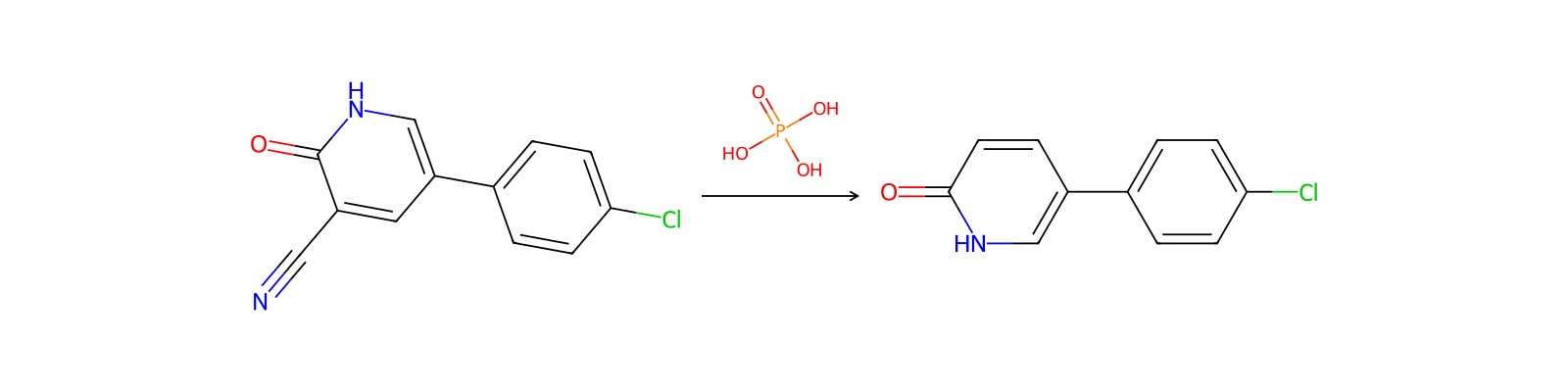
HRID 1106 반응식
HRID 1106반응물로uspto-grants-1998_03
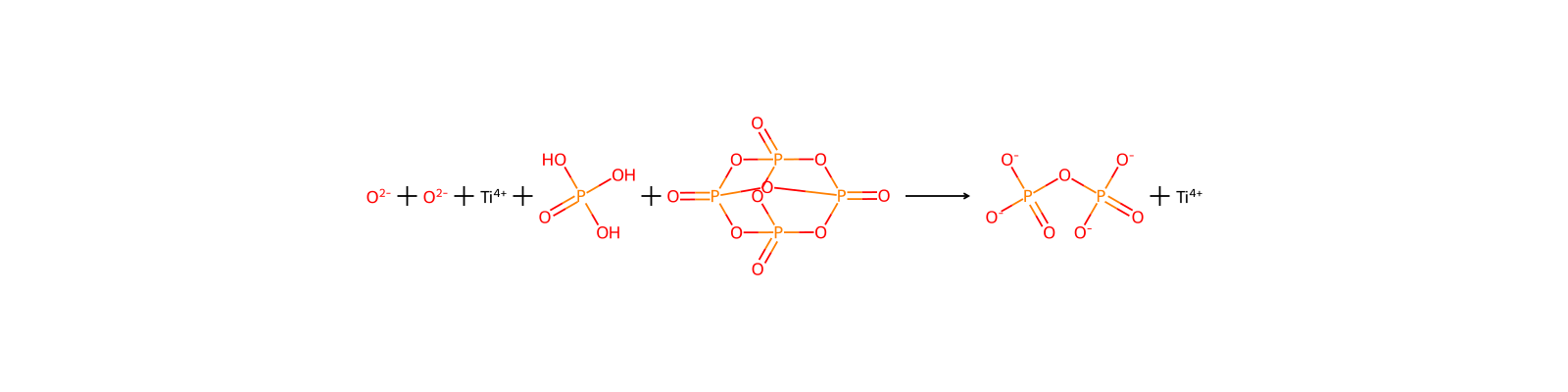
HRID 1506 반응식
HRID 1506용매로uspto-grants-1998_03
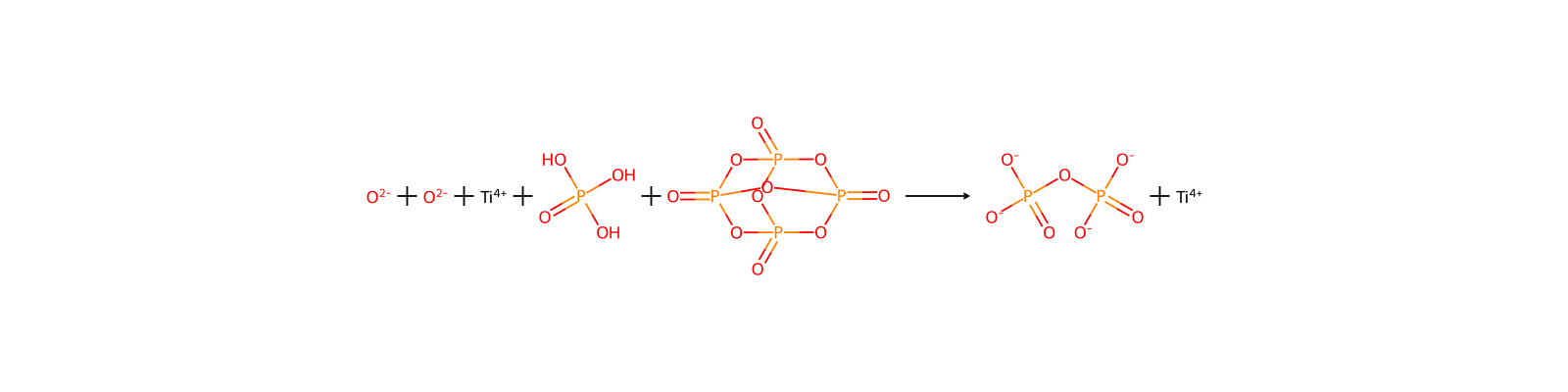
HRID 1573 반응식
HRID 1573용매로uspto-grants-1998_03
HRID 2078 반응식
HRID 2078용매로uspto-grants-1998_03
HRID 2119 반응식
HRID 2119용매로uspto-grants-1998_03
HRID 2177 반응식
HRID 2177용매로uspto-grants-1998_03
HRID 3056 반응식
HRID 3056반응물로uspto-grants-1998_03
HRID 3057 반응식
HRID 3057반응물로uspto-grants-1998_03
1 / 311 페이지

화합물 노트

불러오는 중…

이 페이지에서기본 정보개요이름 및 식별자물성안전 및 규제화학 및 산업관련 반응화합물 노트
더보기
새 노트새 반응견적 요청하기

Density at 25 °C: 75% 1.574; 80% 1.628; 85% 1.685

/Bulk density =/ 15.6 lb/gal. /Phosphoric acid, liquid or solution/

1.9 g/cm³

Density (at 25 °C): 1.7 g/cm³

Viscosity · 2건

3.86 mPa.s (40% solution at 20 °C).

40 mm²/s at 20 °C

Color/Form · 4건

Unstable orthorhombic crystals or clear syrupy liquid

Colorless, sparkling liquid or transparent, crystalline solid, depending on concentration and temperature. At 20 °C the 50% and 75% strengths are mobile liquids, the 85% is of syrupy consistency; the 100% acid is in the form of crystals.

Colorless viscous liquid

Thick, colorless crystalline solid [Note: Often used in an aqueous solution]

Solubility · 6건

Miscible (NIOSH, 2024)

Soluble in water, alcohol; soluble in 8 volumes of 3:1 ether:alcohol mixture

Soluble in ethanol

548 g/100 g water at 20 °C

1000 mg/mL

Solubility in water: miscible

물리화학적 성질

녹는점
100 °C · 100 °C
밀도
1.4 g/mL · 1.40 g/mL at 20 °C
저장 조건
-20 °C · -20°C
용해도
2 O: · H2O: 5 M, 투명, 무색
물리적 상태
가루
색상
무색의
수소이온지수(pH)
1.4 · 1.4 (20°C in H2O)
생물학적 소스
rabbit
주요 응용
환경음식 및 음료
EPA
Orthophosphate (14265-44-2)
Fire PotentialNot combustible.
Health Hazards · 3건

Burns on mouth and lips, sour acrid taste, severe gastrointestinal irritation, nausea, vomiting, bloody diarrhea, difficult swallowing, severe abdominal pains, thirst, acidemia, difficult breathing, convulsions, collapse, shock, death. (USCG, 1999)

· TOXIC and/or CORROSIVE; inhalation, ingestion or skin contact with material may cause severe injury or death.

· TOXIC and/or CORROSIVE; inhalation, ingestion or skin contact with material may cause severe injury or death.

Hazards Summary · 1건

Liquid or solid form causes second degree burns after contact for a few minutes; [CHRIS] Usually shipped as a solid or 85% solution. [CAMEO] Phosphoric acid > 70% is corrosive to skin. [Quick CPC] Phosphoric acid is an eye, skin, and upper respiratory tract irritant. [ACGIH] The risk of pulmonary edema is very small. [Desai H. Phosphorus and Phosphorus Compounds. In: Sullivan JB, Krieger GR (eds). Hazardous Materials Toxicology. Baltimore: Williams & Wilkins, 1992; p. 938.] Corrosive to the skin, eye, and respiratory tract; [ICSC] If phosphoric acid is used as a catalyst, phosphine can be formed in the strongly reducing atmosphere of the hot emissions. In air, phosphine rapidly oxidizes to phosphorus oxide. [IARC 2012: Iron and steel founding]

DOT ID and Guide · 4건

1805 154

3453 154

1805 154(liquid or solution)

3453 154(solid)

FDA Requirements · 2건

Phosphoric acid used as a multiple purpose GRAS food substance in food for human consumption is generally recognized as safe when used in accordance with good manufacturing practice.

Phosphoric acid used as a general purpose food additive in animal drugs, feeds, and related products is generally recognized as safe when used in accordance with good manufacturing or feeding practice.

Reactive GroupAcids, Weak
EC ClassificationSymbol: C; R: 34; S: (1/2)-26-45; Note: B
UN Classification · 2건

UN Hazard Class: 8; UN Pack Group: III

UN Hazard Class: 8; UN Pack Group: III

안전 및 보호

Fire Fighting · 3건

Excerpt from ERG Guide 154 [Substances - Toxic and/or Corrosive (Non-Combustible)]:

In case of fire in the surroundings, use appropriate extinguishing media. In case of fire: keep drums, etc., cool by spraying with water. NO direct contact of the substance with water.

In case of fire in the surroundings, use appropriate extinguishing media. In case of fire: keep drums, etc., cool by spraying with water. NO direct contact of the substance with water.

First Aid Measures · 6건

Fresh air, rest. Half-upright position. Artificial respiration may be needed. Refer immediately for medical attention.

Wear protective gloves when administering first aid. Remove contaminated clothes. Rinse skin with plenty of water or shower. Refer immediately for medical attention .

Rinse with plenty of water for several minutes (remove contact lenses if easily possible). Refer immediately for medical attention.

Rinse mouth. Give nothing to drink. Do NOT induce vomiting. Refer immediately for medical attention.

Fresh air, rest. Half-upright position. Artificial respiration may be needed. Refer immediately for medical attention.

Wear protective gloves when administering first aid. Remove contaminated clothes. Rinse skin with plenty of water or shower. Refer immediately for medical attention.

Accidental Release Measures · 4건

· CALL 911. Then call emergency response telephone number on shipping paper. If shipping paper not available or no answer, refer to appropriate telephone number listed on the inside back cover.

· ELIMINATE all ignition sources (no smoking, flares, sparks or flames) from immediate area.

· CALL 911. Then call emergency response telephone number on shipping paper. If shipping paper not available or no answer, refer to appropriate telephone number listed on the inside back cover.

· ELIMINATE all ignition sources (no smoking, flares, sparks or flames) from immediate area.

First Aid · 4건

Excerpt from NIOSH Pocket Guide for Phosphoric acid:

General First Aid:

General First Aid:

(General first aid procedures)

Safe Storage · 2건

Dry. Well closed. Separated from food and feedstuffs and incompatible materials. See Chemical Dangers. Store in an area without drain or sewer access.

Separated from food and feedstuffs and incompatible materials. See Chemical Dangers. Store only in original container. Store in an area without drain or sewer access.

Firefighting HazardsFlammable /hydrogen/ gas is formed on contact with metals.
Exposure Control and Personal Protection · 3건

· Wear positive pressure self-contained breathing apparatus (SCBA).

· Wear positive pressure self-contained breathing apparatus (SCBA).

2.0 [mg/m3], inhalable fraction[German Research Foundation (DFG)]

Fire Fighting Procedures · 3건

Use water spray to keep fire-exposed containers cool. Extinguish fire using agent suitable for surrounding fire.

If material /is/ involved in /a/ fire, extinguish fire using agent suitable for type of surrounding fire. (Material does not burn or burns with difficulty.) Use water in flooding quantities as fog. Cool all affected containers with flooding quantities of water. Apply water from as far a distance as possible.

If material /is/ on fire or involved in /a/ fire, extinguish fire using agent suitible for type of surrounding fire. (Material itself does not burn or burns with difficulty.) Use dry chemical, dry sand, or carbon dioxide. Do not use water on material itself. If large quantities of combustibles are involved, use water in flooding quantities as spray or fog. Use water spray to knock-down vapors. Cool all affected containers with flooding quantities of water. Apply water from as far a distance as possible. /Phosphoric acid, corrosive liquids N.O.S./

Storage Conditions · 2건

Store in cool, dry, well-ventilated location. Separate from alkalies and most metals.

The hot concentrated acid attacks porcelain and granite ware. Phosphoric acid may be stored in suitable stainless steel containers.

Cleanup Methods · 5건

Ventilate area of spill or leak. If in the solid form, collect spilled material in the most convenient and safe manner for reclamation or for disposal in a secured sanitary landfill. If in the liquid form, collect for reclamation or absorb in vermiculite, dry sand, earth, or a similar material.

Cellosized absorbent material may be used for vapor suppression and containment of spills.

Air spill: Apply water spray or mist to knock down vapors. Vapor knockdown water is corrosive or toxic and should be diked for containment.

Water spill: Neutralize with agricultural lime (slaked lime), crushed limestone, or sodium bicarbonate. Adjust pH to neutral (pH-7). Use mechanical dredges or lifts to remove immobilized masses of pollutants and precipitates.

Land spill: Dig a pit, pond, lagoon, holding area to contain liquid or solid material. /SRP: If time permits, pits, ponds, lagoons, soak holes, or holding areas should be sealed with an impermeable flexible membrane liner./ Dike surface flow using soil, sand bags, foamed polyurethane, or foamed concrete. Absorb bulk liquid with fly ash or cement powder. Neutralize with agricultural lime, crushed limestone, or sodium bicarbonate.

Nonfire Spill ResponseExcerpt from ERG Guide 154 [Substances - Toxic and/or Corrosive (Non-Combustible)]:
Disposal Methods · 4건

SRP: The most favorable course of action is to use an alternative chemical product with less inherent propensity for occupational harm/injury/toxicity or environmental contamination. Recycle any unused portion of the material for its approved use or return it to the manufacturer or supplier. Ultimate disposal of the chemical must consider: the material's impact on air quality; potential migration in soil or water; effects on animal and plant life; and conformance with environmental and public health regulations.

Technology appropriate for incineration: Rotary kiln.

Technology appropriate for incineration: Venturi scrubber.

Neutralization & landfill: Neutralize with soda ash or soda ash-slaked lime mixture (1:1) and bury in an approved landfill.

독성 정보

Target Organs · 2건

Respiratory

Eyes, skin, respiratory system

Environmental FateAquatic Fate: While acidity may be reduced readily by natural water hardness minerals, the phosphate may persist indefinitely.
Adverse EffectsDermatotoxin - Skin burns.
Exposure Routes · 3건

Serious local effects by all routes of exposure.

Serious local effects by all routes of exposure.

inhalation, ingestion, skin and/or eye contact

Toxicity Summary · 2건

The CIR Expert Panel concluded that the following 31 ingredients are safe in the present practices of use and concentration in cosmetics as described in this safety assessment, when formulated to be non-irritating...Phosphoric Acid...

Safe for use in cosmetics, with qualifications

Ecotoxicity Excerpts · 5건

/AQUATIC SPECIES/ /A/ static open-system 96 hr acute toxicity test using Lepomis macrochirus (bluegill sunfish) /was conducted/. After a 1 wk stabilization period, the fish in four of the aquaria were subjected to increasing concentrations of each acid, so that a decremental pH series of 7.5, 5.0, 4.5, 4.0, 3.5, 3.25 and 3.0 was established. A constant pH was maintained for each 96 hour period. The remaining aquarium remained at pH 7.5 throughout the testing regimen. The 96 hour LC50 for all acids was between pH 3.5 and 3.0. No mortality was observed until the pH reached 3.5. The data indicate that the contribution by the anions to fish toxicity is similar. Thus, the quantity (and its affect on pH) rather than the quality of the acids is the primary factor in fish toxicity. In behavioral studies also reported, lowered pH results in the bluegill becoming hypoactive with respect to swimming behavior.

/AQUATIC SPECIES/ The concentration of hydrogen ions which caused 50% mortality of bluegill in 96 hr was between pH 3.5 and 3.0 for sulfuric acid, nitric acid, phosphoric acid and hydrochloric acid. Therefore, it appears that any contribution by the anions of these acids to fish toxicity is similar. Thus, the quantity rather than the quality of acids is the primary factor in fish toxicity brought about by acid precipitaiton. At sublethal concentration of acids, bluegill became hypoactive with respect to their swimming behavior.

/AQUATIC SPECIES/ /A/ static open-system 12 hr acute toxicity test using Daphnia magna and Daphnia pulex /was conducted/. Daphnids were exposed to various pH levels of phosphoric acids. ...The survival rate depends on the pH generated by the acid. EC50 = pH 4.6 (D. magna) and 4.1 (D. pulex).

/AQUATIC SPECIES/ /A/ static open-system 12 hr acute toxicity test using Gammarus pulex (Amphipod) /was conducted/. Amphipods were exposed to various pH levels of phosphoric acids. LC50 = pH 3.4. ...The same result was observed with Gammarus fossarum.

/PLANTS/ Plant foliage (peas, beans, beets, rape, and weeds) were destroyed by spraying with 15-20% phosphoric acid.

Signs and Symptoms · 6건

Cough. Sore throat. Burning sensation. Shortness of breath. Laboured breathing.

Redness. Pain. Blisters. Serious skin burns.

Redness. Pain. Severe burns.

Burns in mouth and throat. Burning sensation behind the breastbone. Abdominal pain. Vomiting. Shock or collapse.

Cough. Sore throat. Burning sensation. Shortness of breath. Laboured breathing.

Redness. Pain. Blisters. Serious skin burns.

ICSC Environmental Data · 2건

The substance is harmful to aquatic organisms.

The substance is harmful to aquatic organisms.

EPA IRIS Information · 3건

Phosphoric acid

Respiratory

1 x 10 ^-2 mg/m^3

Medical Surveillance · 1건

Initial medical examination: Employees should be screened for history of certain medical conditions (chronic respiratory disease, skin disease) which might place the employee at increased risk from phosphoric acid exposure. Periodic medical examination: Any employee developing impaired pulmonary function or dermatitis should be referred for further medical examination.

Soil Adsorption/Mobility · 1건

When spilled onto soil, phosphoric acid will infiltrate downward, the rate being greater with lower concentration because of reduced viscosity. ... During transport through the soil, phosphoric acid will dissolve some of the soil material, in particular, carbonate-based materials. The acid will be neutralized to some degree with adsorption of the proton and phosphate ions also possible. However, significant amounts of acid will remain for transport. ... /If/ reaching the groundwater table, the acid will continue to move in the direction of groundwater flow. A contaminated plume will be produced with dilution and dispersion serving to reduce the acid concentration.

Natural Pollution Sources... PHOSPHORIC ACID, IS A NATURAL CONSTITUENT OF MANY FRUITS AND THEIR JUICES.

규제 정보

FDA Requirements · 2건

Phosphoric acid used as a multiple purpose GRAS food substance in food for human consumption is generally recognized as safe when used in accordance with good manufacturing practice.

Phosphoric acid used as a general purpose food additive in animal drugs, feeds, and related products is generally recognized as safe when used in accordance with good manufacturing or feeding practice.

FIFRA Requirements · 5건

Residues of phosphoric acid are exempted from the requirement of a tolerance when used in accordance with good agricultural practice as inert (or occasionally active) ingredients in pesticide formulations applied to growing crops or to raw agricultural commodities after harvest. Use: buffer. Limit: none.

Residues of the following chemical substances are exempted from the requirement of a tolerance when used in accordance with good manufacturing practice as ingredients in an antimicrobial pesticide formulation, provided that the substance is applied on a semi-permanent or permanent food-contact surface (other than being applied on food packaging) with adequate draining before contact with food. ... (b) The following chemical substances when used as ingredients in an antimicrobial pesticide formulation may be applied to: Dairy processing equipment, and food-processing equipment and utensils. Phosphoric acid is included on this list.

Residues of the following chemical substances are exempted from the requirement of a tolerance when used in accordance with good manufacturing practice as ingredients in an antimicrobial pesticide formulation, provided that the substance is applied on a semi-permanent or permanent food-contact surface (other than being applied on food packaging) with adequate draining before contact with food. ... (c) The following chemical substances when used as ingredients in an antimicrobial pesticide formulation may be applied to: Food-processing equipment and utensils. Phosphoric acid is included on this list.

Based on reviews of the generic data for the active ingredients mineral acids, the Agency has sufficient information on the health effects of mineral acids /including phosphoric acid/ and on its potential for causing adverse effects in fish and wildlife and the environment. Therefore, the Agency concludes that products, labeled and used as specified in the Reregistration Eligibility Decision, containing mineral acids for all uses except for the use of sulfuric acid on potato vines, are eligible for reregistration.

As the federal pesticide law FIFRA directs, EPA is conducting a comprehensive review of older pesticides to consider their health and environmental effects and make decisions about their continued use. Under this pesticide reregistration program, EPA examines newer health and safety data for pesticide active ingredients initially registered before November 1, 1984, and determines whether the use of the pesticide does not pose unreasonable risk in accordance to newer saftey standards, such as those described in the Food Quality Protection Act of 1996. Pesticides for which EPA had not issued Registration Standards prior to the effective date of FIFRA '88 were divided into three lists based upon their potential for human exposure and other factors, with List B containing pesticides of greater concern than those on List C, and with List C containing pesticides of greater concern than those on List D. Phosphoric acid is found on List D. Case No: 4064; Pesticide type: fungicide, herbicide, antimicrobial; Case Status: RED Approved 2/94; OPP has made a decision that some/all uses of the pesticide are eligible for reregistration, as reflected in a Reregistration Eligibility Decision (RED) document .; Active ingredient (AI): phosphoric acid; AI Status: OPP has completed a Reregistration Eligibility Decision (RED) for the case/AI.

CERCLA Reportable Quantities · 1건

Persons in charge of vessels or facilities are required to notify the National Response Center (NRC) immediately, when there is a release of this designated hazardous substance, in an amount equal to or greater than its reportable quantity of 5000 lb or 2270 kg. The toll free number of the NRC is (800) 424-8802. The rule for determining when notification is required is stated in 40 CFR 302.4 (section IV. D.3.b).

Clean Water Act Requirements · 1건

Phosphoric acid is designated as a hazardous substance under section 311(b)(2)(A) of the Federal Water Pollution Control Act and further regulated by the Clean Water Act Amendments of 1977 and 1978. These regulations apply to discharges of this substance. This designation includes any isomers and hydrates, as well as any solutions and mixtures containing this substance.

안전 데이터

wgk
1
tsca
TSCA listed
rtecs
WA1900000
risk_code
36
hazard_code
Xi
safety_code
39-26
기존화학 물질
KE-28460
F 고인화성물질
3
Hazard Classifications
Met. Corr. 1
스토리지 클래스
8B - Non-combustible, corrosive hazardous materials

The hygroscopic growth of phosphoric acid aerosol (diameter change > 0.5 micrometers) within the human tracheobronchial tree is modeled to investigate changes in deposition characteristics when compared to nonhygroscopic aerosols of identical preinspired size. Phosphoric acid particles are assumed to grow in a stepwise fashion to 99% relative humidity within conducting airways of the lung, having initially reached equilibrium at 90% relative humidity (T= 37 degrees) in the trachea. Deposition efficiencies for growth and no growth are calculated from theoretical equations for inertial impaction, sedimentation, and diffusion. The results show that neglecting the growth of an inhaled phosphoric acid aerosol may result in underestimation of the total deliverable dose by a factor of as much as 600-700%. Significant differences in regional deposition sites for hygroscopic or nonhygroscopic aerosols are predicted. Increased deposition efficiencies imply that measured physical properties (respirable fraction, aerodynamic diameter) of aerosols alone are not sufficient to assess deposition characteristics within the lung; hygroscopic growth must also be considered.

/Ortho/ phosphate is absorbed from, and to a limited extent secreted into, the gastrointestinal tract. Transport of phosphate from the gut lumen is an active, energy-dependent process that is modified by several factors. ... Vitamin D stimulates phosphate absorption, an effect reported to precede its action on calcium ion transport. In adults, about two thirds of the ingested phosphate is absorbed, and that which is absorbed is almost entirely excreted into the urine. In growing children, phosphate balance is positive. Concentrations of phosphate in plasma are higher in children than in adults. This "hyperphosphatemia" decreases the affinity of hemoglobin for oxygen and is hypothesized to explain the physiological "anemia" of childhood. /Phosphates/

Tissue LocationsKidney
Cellular LocationsCytoplasm
Metabolite Pathways2-Hydroxyglutric Aciduria (D And L Form)

용도 및 제조

Uses · 6건

CIR ingredient: Phosphoric Acid

. . . used in fertilizers, detergents, foods and beverages, water treatment, pickling and rust proofing metals, and for many other purposes. [ACGIH] Used in photography (platinum printing); [www.ci.tucson.az.us/arthazards/medium.html] Used as a wet etchant in semiconductor manufacturing at a standard concentration of 85%; [CSH, p. 46]

Acid and Alkali Cleaning of Metals [Category: Clean]

Lithography printing [Category: Hobbies]

For phosphoric acid (USEPA/OPP Pesticide Code: 076001) ACTIVE products with label matches. /SRP: Registered for use in the U.S. but approved pesticide uses may change periodically and so federal, state and local authorities must be consulted for currently approved uses./

Polymer gasoline catalyst; etchant (semiconductor manufacture); acidulant (soft drinks; prepared foods); aluminum brightening/anodizing agent; aluminum/steel/magnesium/zinc anticorrosion treatment reagent; microbial fermentation nutrient; refractories raw material.

Impurities · 1건

THE FOLLOWING CHEMICALS APPEAR AS IMPURITIES IN WET-PROCESS ACID-MERCHANT GRADE, PURIFIED WET-PROCESS ACID TECHNICAL GRADE, AND THERMAL ACID-TECHNICAL GRADE, RESPECTIVELY: CALCIUM MONOXIDE-0.06%, 0.005%, 0.01%; FLUORIDE-0.8%, 0.08%, <0.0001%; ALUMINUM OXIDE-1.7%, 0.01%, 0.0003%; IRON OXIDE-1.23%, 0.007%, 0.004%; MAGNESIUM OXIDE-0.58%, 0.003%, 0.0002%; POTASSIUM OXIDE-0.01%, 0%, 0.0007%; SODIUM OXIDE-0.12%, 0.0025%; SILICON DIOXIDE-0.07%, 0.1%, 0.0015%; AND SULFATE-2.2%, 0.2%, >0.002%

U.S. Exports · 3건

(1972) 2.0X10+10 GRAMS

(1974) 8.63X10+10 GRAMS

(1984) 1.35X10+10 G/OTHER THAN FERTILIZER GRADE/

U.S. Imports · 2건

(1972) 5.44X10+10 GRAMS

(1974) 3.63X10+10 GRAMS

U.S. Production · 6건

2023: 15,000,000,000 - <20,000,000,000 lb

(1972) 5.99X10+12 GRAMS

(1975) 6.97X10+12 GRAMS

(1984) 1.03X10+13 g

Production by wet process was 10.947 tons and by the furnace process 0.611 million short tons in 1989.

For more U.S. Production (Complete) data for PHOSPHORIC ACID (16 total), please visit the HSDB record page.

Consumption Patterns · 5건

75% IN MANUFACTURE OF FERTILIZERS; 8% FOR MANUFACTURE OF AGRICULTURAL FEEDS; 11% FOR BUILDERS AND WATER TREATMENT (USED IN DETERGENTS, PRE-SOAKS AND CLEANSERS); 2.5% IN PRODUCTION OF FOODS, BEVERAGES, PET FOODS, AND DENTIFRICES; 1% IN DIRECT ACID TREATMENT OF METAL SURFACES; 2.5% FOR MANUFACTURE OF FIRE CONTROL AGENTS, ANTIFREEZE, CATALYSTS, DRILLING MUDS, AND PHOSPHORS, AND FOR REFRACTORIES, TEXTILES AND OTHER MISC USES (1973)

END USE PATTERN-DERIVATIVE: FERTILIZERS, 89%; ANIMAL FEEDS, 4%; DETERGENTS & WATER TREATMENT, 3%; FOOD & BEVERAGES, 2%; METAL TREATMENTS, 1%; MISC, 1% (1983)

Phosphoric acid. Diammonium phosphate, 20%; merchant shipments (for feed, industrial and blending applications), 10%; superphosphoric acid (SPA), 7%; monoammonium phosphate (MAP), 5.5%; triple-superphosphate (TSP), 4%; dry fertilizer exports, 41% (including 75% diammonium phosphate, 20% TSP, 5% MAP); SPA exports, 7.5%; phosphoric acid exports, 4%; miscellaneous, 1%.

Phosphoric acid. Diammonium phosphate 49%; superphosphoric acid, 15%; monoammonium phosphate, 10%; triple superphosphate, 8%; merchant shipments (including industrial and blending applications), 6%; phosphoric acid export, 5%; animal feed, 4%; miscellaneous, 3%.

Builders and water treatment, 15%; foods, 13%; metals, 17%; others, 55%. /Industrial-grade phosphoric acid/

Consumer UsesBinder
Industry UsesProcessing aids not otherwise specified
Methods of Manufacturing · 4건

Phosphorus is converted to phosphorus pentoxide P2O5 by exposing it to a current of warm air, then the P2O5 is treated with water to form phosphoric acid. The conversion of the phosphorus to the pentoxide takes place while the phosphorus, distilling from the phosphorus manufacturing operation, is in the vapor phase.

Wet-process acid is manufactured by the digestion of phosphate rock (calcium phosphate) with sulfuric acid. Other acids such as hydrochloric acid may be used, but the sulfuric acid-based processes are by far the most prevalent. Phosphoric acid is separated from the resultant calcium sulfate slurry by filtration.

Wet phosphoric acid produced by wet digestion contains variable amounts of inorganic impurities, depending on the origin of the phosphate rock. Depending on the further application, these impurities must be partially or completely removed from crude phosphoric acid. Precipitation and extraction processes are used.

Thermal (furnace) process: White (yellow) phosphorus is burned in excess air and the resulting phosphorus pentoxide is hydrated, heats of combustion and hydration are removed, and the phosphoric acid mist collected.

Formulations/Preparations · 5건

Agricultural, technical (50, 75, 85, 90, 100%), food (50, 75, 85%), NF (85-88%), FCC (75-85%). (Polyphosphoric acid is sometimes called 115% phosphoric acid.)

WET-PROCESS ACID, MERCHANT GRADE, HAS MIN ASSAY OF 53.1%; PURIFIED WET-PROCESS ACID, TECH GRADE, HAS MIN ASSAY OF 54%; THERMAL ACID, TECH GRADE, HAS MIN ASSAY OF 54.32%

Reagent grade concentrated phosphoric acid is 85-87% (wt/wt) phosphoric acid (equivalent to about 17 M).

Formulation: liquid

For more Formulations/Preparations (Complete) data for PHOSPHORIC ACID (45 total), please visit the HSDB record page.

Household Products · 2건

Cosmetics product ingredient: Phosphoric acid

Information on 334 consumer products that contain Phosphoric acid in the following categories is provided:

Use Classification · 6건

EPA Safer Chemical Functional Use Classes -> Oxidants and Oxidant Stabilizers

Safer Chemical Classes -> Yellow triangle - The chemical has met Safer Choice Criteria for its functional ingredient-class, but has some hazard profile issues

Food additives

Food Additives -> ACID; ANTIOXIDANT_SYNERGIST; SEQUESTRANT; SYNERGIST -> JECFA Functional Classes

Food Additives -> ACID; ANTIOXIDANT_SYNERGIST; SEQUESTRANT; SYNERGIST -> JECFA Functional Classes

Cosmetics -> Buffering

응용 분야 · 1건

용도Phosphate is an inorganic compounds. It is a essential nutrient, found in many organic compounds including nucleic acids and lipids. Abundance of it has also been seen to promote cyanobacterial proliferation. It also promotes the forming of bones in the form of minerals in the apatite family.

상·하류 제품 정보

상류 원료

ADP과산화 요소

하류 제품

칼슘 질산, 테트라수화물이인산염삼인산염SULFATE STANDARD암모니아(가스)포르말린

추가 설명

정의ChEBI: A phosphate ion that is the conjugate base of hydrogenphosphate.