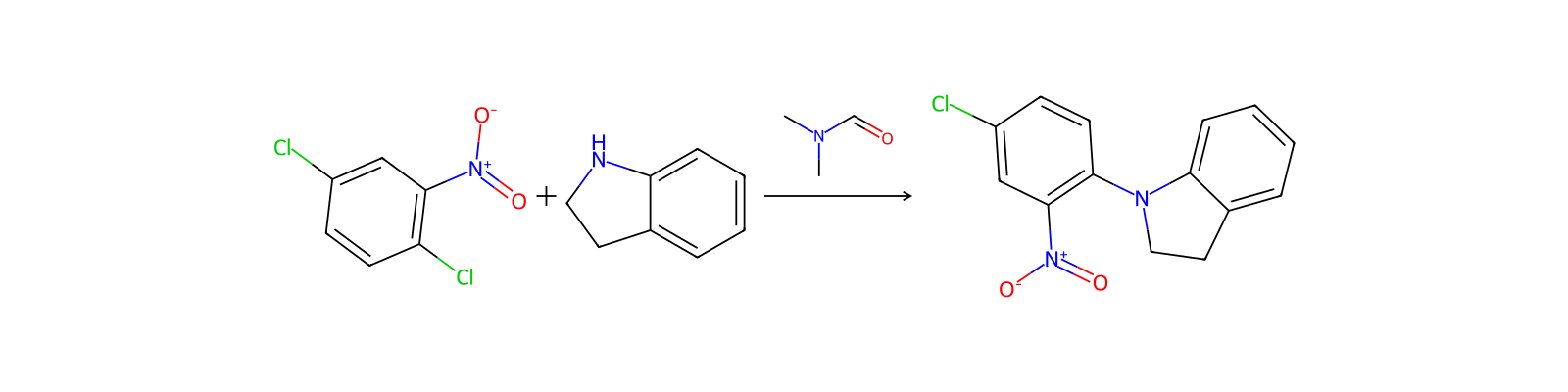
인돌린
Indoline
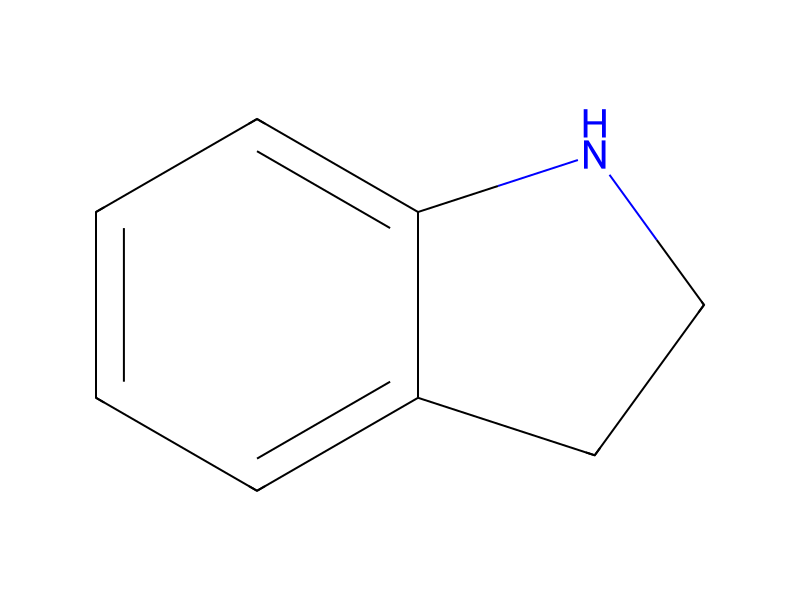
기본 정보
- CAS
496-15-1- 표준 SMILES
c1ccc2c(c1)CCN2- InChIKey
LPAGFVYQRIESJQ-UHFFFAOYSA-N- 분자식
- C8H9N
- 평균 분자량
- 119.16 g/mol
- 단동위원소 질량
- 119.07349929
개요
Indoline is a member of indoles.
이름 및 식별자
- 우선 이름
- Indoline
- IUPAC
- 2,3-dihydro-1H-indole
- 현지명
- 인돌린
- 영어명
- Indoline
- 분자식
- C8H9N
- 분자량
- 119.16
이름 및 동의어
Indoline496-15-12,3-Dihydro-1H-indole2,3-DIHYDROINDOLE1H-Indole, 2,3-dihydro-6DPT9AB2NKCHEBI:43295DTXSID9052133RefChem:790979DTXCID4030702207-816-81-Azaindan
이름 더 보기
인도린인돌린IDNNDOLINE1H-IndolineIndoline>
DihydroindoleAzaindane1H-Indole, dihydro-30922-25-9MFCD00005705aza-indaneindoline-Indoline, 19
데이터베이스 식별자
- CAS
496-15-1- PubChem CID
- 10328
- DTXSID
DTXSID9052133- ChEMBL
CHEMBL388803- ChEBI
CHEBI:43295- UNII
- 6DPT9AB2NK
- EC Number
- 207-816-8
- Nikkaji
- J40.156K
물성
구조 계산 물성
- XLogP
- 1.9
- 극성 표면적
- 12 Ų
- 수소 결합 공여자 수
- 1
- 수소 결합 수용자 수
- 1
- 회전 가능 결합 수
- 0
- 무거운 원자 수
- 9
- 형식 전하
- 0
- 복잡도
- 101
실험 및 물리화학적 성질
Chemical Classes
Nitrogen Compounds -> Indoles
Dye
SpringerMaterials Properties15N nuclear magnetic resonance spectrum
Physical DescriptionBrown liquid; [Alfa Aesar MSDS]
Collision Cross Section120.8 Ų [M+H]+ [CCS Type: DT; Buffer gas: N2; Ionization: APCI+; Dataset: TOXCAST; Source Identifier: DTXSID9052133]
물리화학적 성질
- 녹는점
- -21 °C · -21 °C
- 끓는 점
- 220 · 220-221 °C (lit.)
- 밀도
- 1.063 g/mL · 1.063 g/mL at 25 °C (lit.)
- 굴절률
- 20 · n20/D 1.592(lit.)
- 인화점
- 199 °F · 199 °F
- 저장 조건
- Keep in dark place,Sealed in dry,Room Temperature
- 용해도
- 5 g/L · 5g/L
- 산도 계수 (pKa)
- 5.2 · 5.20±0.20(Predicted)
- 물리적 상태
- 액체 (투명)
- 색상
- 클리어 다크 브라운
안전 및 규제
안전 정보는 참고용이며, 공급업체의 물질안전보건자료(SDS), 관련 법규 및 전문가 평가를 대체하지 않습니다.
GHS 분류
GHS Classification
This chemical does not meet GHS hazard criteria for 18.2% (2 of 11) of reports.
Warning
H302 (54.5%): Harmful if swallowed [Warning Acute toxicity, oral]
P261, P264, P264+P265, P270, P271, P280, P301+P317, P302+P352, P304+P340, P305+P351+P338, P319, P321, P330, P332+P317, P337+P317, P362+P364, P403+P233, P405, and P501 (click each P-code to see the statement)
Aggregated GHS information provided per 11 reports by companies from 7 notifications to the ECHA C&L Inventory. Each notification may be associated with multiple companies.
유해성 정보
Regulatory Information
Chemical: 1H-Indole, 2,3-dihydro-
1H-Indole, 2,3-dihydro-: Does not have an individual approval but may be used under an appropriate group standard
Hazards SummaryA skin and strong eye irritant; Toxic by ingestion; [Alfa Aesar MSDS] See Indole.
Hazard Classes and CategoriesAcute Tox. 4 (54.5%)
안전 데이터
- wgk
- 3
- tsca
- TSCA listed
- rtecs
- NL6906300
- HS 번호
- 29339990
- risk_code
- 36/37/38
- hazard_code
- Xi
- safety_code
- 23-24/25-37/39-26
- 위험 참고 사항
- Irritant
- 스토리지 클래스
- 10 - Combustible liquids
화학 및 산업
용도 및 제조
General Manufacturing Information1H-Indole, 2,3-dihydro-: ACTIVE
응용 분야
용도As an indole derivative, Indoline can be used in the preparation of various medicinal compounds such as potential α1-adrenoceptor (α1-AR) antagonists.
상·하류 제품 정보
상류 원료
하류 제품
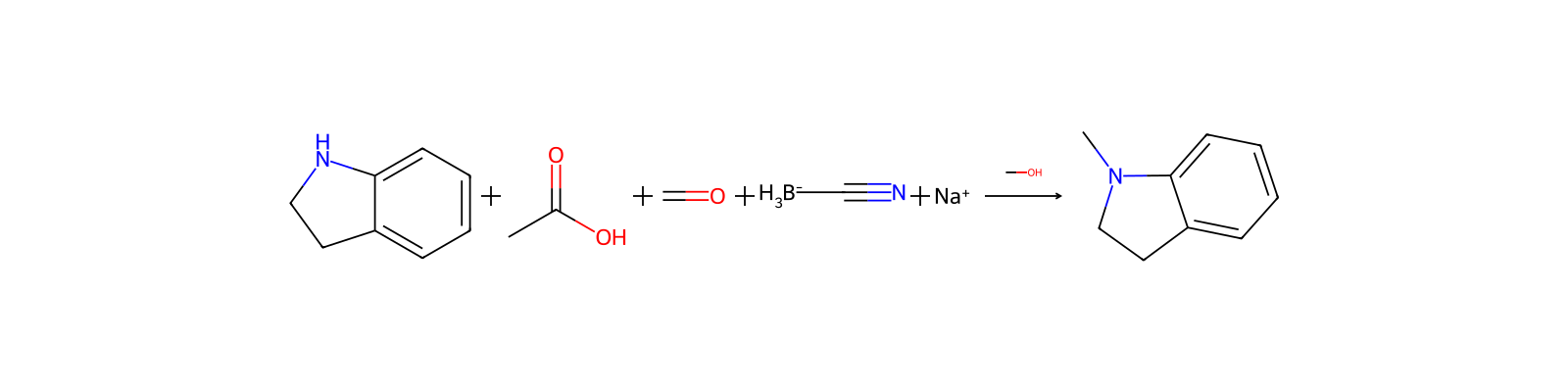
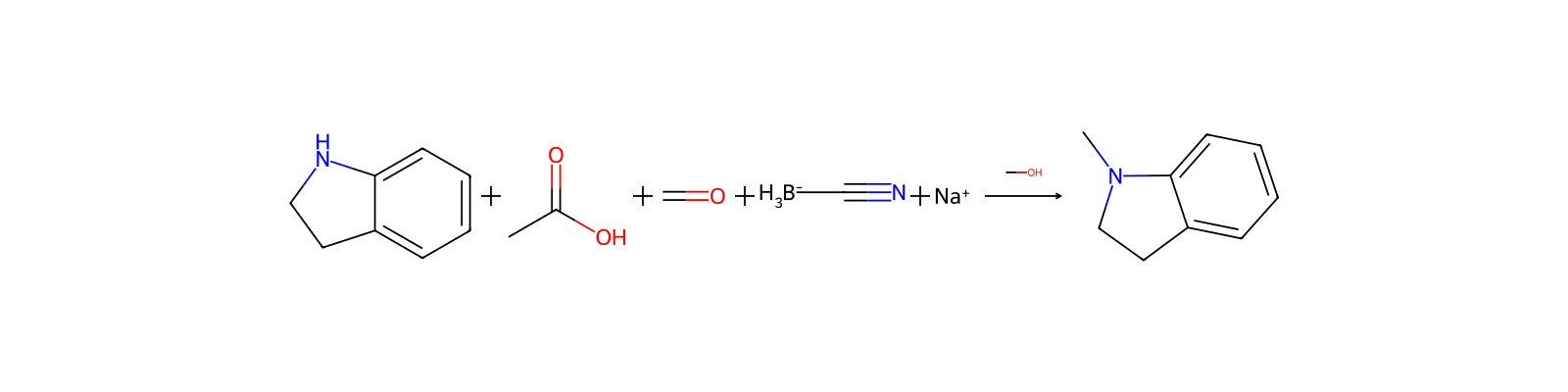
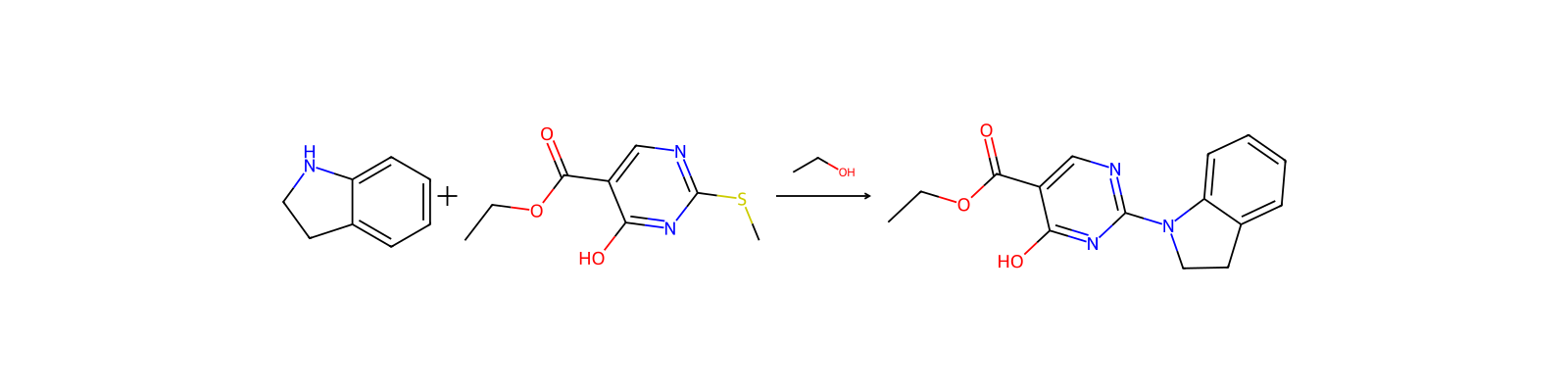
관련 반응
404건




화합물 노트
불러오는 중…