홈MCP워크벤치Skills
홈워크벤치알림마이페이지
llms.txt · MCP 가이드개인정보처리방침 · 이용약관 · 지원v1.8.0
  1. 홈
  2. /화합물

2,6-자일렌올

2,6-Dimethylphenol

HCID 11335
새 노트새 반응견적 요청하기
인쇄 미리보기
기본 정보개요이름 및 식별자물성안전 및 규제화학 및 산업관련 반응화합물 노트
부분 구조 검색유사 구조 찾기

기본 정보

CAS
576-26-1
표준 SMILES
Cc1cccc(C)c1O
InChIKey
NXXYKOUNUYWIHA-UHFFFAOYSA-N
분자식
C8H10O
평균 분자량
122.16 g/mol
단동위원소 질량
122.07316494

개요

2,6-dimethylphenol is a colorless to off-white crystalline solid with a sweet tarry odor. Odor threshold concentration: 0.4 mg/L. (NTP, 1992)

이름 및 식별자

우선 이름
2,6-Dimethylphenol
IUPAC
2,6-dimethylphenol
현지명
2,6-자일렌올
영어명
2,6-Dimethylphenol
분자식
C8H10O
분자량
122.16

이름 및 동의어

2,6-DIMETHYLPHENOL576-26-12,6-XylenolPhenol, 2,6-dimethyl-Vic-m-xylenol2-Hydroxy-m-xylene1-Hydroxy-2,6-dimethylbenzene2,6-DmpXylenol 235FEMA No. 3249DTXSID9024063m-2-Xylenol
이름 더 보기
2,6-다이메틸페놀2,6-자일렌올2,6-디메틸페놀1-하이드록시-2,6-다이메틸벤젠1-하이드록시-2,6-디메틸벤젠2,6-디메틸-하이드록시-벤젠2,6-자일레놀2,6-크실레놀CETIOL CCFEMA 32491,2,6-Xylenolphenol,2,6-dimethyl-xylenol2352,6-Xylenlo
I8N0RO87OVAI3-08524NSC-2123DTXCID404063RefChem:83336209-400-12,6-Dimethyl phenol2-Hydroxy-1,3-dimethylbenzene

데이터베이스 식별자

CAS
576-26-1
PubChem CID
11335
DTXSID
DTXSID9024063
ChEMBL
CHEMBL30106
ChEBI
CHEBI:180557
UNII
I8N0RO87OV
EC Number
209-400-1
Nikkaji
J43.458B

물성

구조 계산 물성

XLogP
2.4
극성 표면적
20.2 Ų
수소 결합 공여자 수
1
수소 결합 수용자 수
1
회전 가능 결합 수
0
무거운 원자 수
9
형식 전하
0
복잡도
80.6

실험 및 물리화학적 성질

Chemical ClassesOther Classes -> Phenols
SpringerMaterials Properties13C nuclear magnetic resonance spectrum
FragrancesFragrance Ingredient (2,6-Xylenol) -> IFRA transparency List
PesticidesPesticide -> EPA IRIS
LogP · 3건

log Kow= 2.36

2.36

2.38

Food AdditivesFLAVORING AGENT OR ADJUVANT -> FDA Substance added to food
Density1.01 at 68 °F (NTP, 1992) - Denser than water; will sink
Flavoring AgentsEU Flavoring substances
Color/FormLEAVES OR NEEDLES FROM ALCOHOL
Solubility · 6건

less than 1 mg/mL at 68 °F (NTP, 1992)

Sol in ethyl alcohol, ethyl ether, carbon tetrachloride

Very sol in benzene, chloroform

Sol in hot water

In water, 6.05X10+3 mg/l @ 25 °C.

5.1 x 10 (-2) mol/l, at pH 5.1 and 25 °C.

안전 및 규제

안전 정보는 참고용이며, 공급업체의 물질안전보건자료(SDS), 관련 법규 및 전문가 평가를 대체하지 않습니다.

GHS 분류

GHS Classification · 6건

Danger

H301: Toxic if swallowed [Danger Acute toxicity, oral]

P260, P262, P264, P270, P273, P280, P301+P316, P301+P330+P331, P302+P352, P302+P361+P354, P304+P340, P305+P354+P338, P316, P321, P330, P361+P364, P363, P391, P405, and P501 (click each P-code to see the statement)

Danger

H301 (100%): Toxic if swallowed [Danger Acute toxicity, oral]

P260, P262, P264, P264+P265, P270, P273, P280, P301+P316, P301+P330+P331, P302+P352, P302+P361+P354, P304+P340, P305+P354+P338, P316, P317, P321, P330, P361+P364, P363, P391, P405, and P501 (click each P-code to see the statement)

유해성 정보

Regulatory Information · 6건

Chemical: Phenol, 2,6-dimethyl-

Commission Regulation (EC) No 1565/2000 (Repealed by Com. Implementing Reg. (EU) No 872/2012)

Phenol, 2,6-dimethyl- is listed on the EPA's Chemical Data Reporting (CDR) system. Manufacturers and importers of Phenol, 2,6-dimethyl- are required to report information about their production and use of this chemical to the EPA under the Toxic Substances Control Act (TSCA). (40 eCFR Part 711)

TP - indicates a substance that is the subject of a proposed TSCA section 4 test rule.

REACH registered substance: 2,6-xylenol (EC: 209-400-1)

2,6-Dimethylphenol: Does not have an individual approval but may be used under an appropriate group standard

Other Safety InformationIMAP assessments - Xylenols: Human health tier II assessment
DOT LabelPoison
Fire HazardsThis chemical is combustible. (NTP, 1992)
Health Hazards · 1건

SYMPTOMS: Symptoms of exposure to this compound may include burning sensation, coughing, wheezing, laryngitis, and shortness of breath. Other symptoms may include severe irritation or burning of the eyes and skin; irritation of the respiratory system; dizziness, stomach pain, exhaustion, and coma. It can cause headaches, nausea, and vomiting. It can also cause corrosion of the mucous membranes, upper respiratory tract, skin, and eyes. Affected areas initially show white discoloration, wrinkling, and softening; then become red, brown or black. Inhalation may be fatal as a result of spasm, inflammation and edema of the larynx and bronchi; chemical pneumonitis; and pulmonary edema. Chronic exposure may cause liver or kidney damage.

화학 및 산업

약리 정보

Cellular LocationsCytoplasm

용도 및 제조

Uses · 5건

Used as an intermediate in organic synthesis; [HSDB]

Intermediate for the manufacture of polyphenylene oxide and modified phenolic resins and phosphate esters used in the production of hydraulic fluids; in halogenation and aminolysis reactions.

Starting materials in the phenolic resins. /Xylenols/

Used in the production of high-viscosity phosphate esters, as a feedstock for hindered phenol antioxidant and specialty modified phenolic resin manufacture. /Xylenol 410/

Used in phosphate esters, alkylated xylenols, antioxidants. /Xylenol 100/

U.S. Imports(1981) 1.27X10+5 G (PRINCIPAL CUSTOMS DISTRICTS)
U.S. Production · 3건

2023: 100,000,000 - <250,000,000 lb

(1977) AT LEAST 9.12X10+8 G

(1981) PROBABLY GREATER THAN 6.81X10+6 G

Consumer UsesSolvent
Industry UsesIntermediate
Methods of Manufacturing · 2건

The insertion of methyl groups into phenol to produce ... xylenols is a commercial process of considerable utility. The process commomly employed is methylation with methyl alcohol over a solid catalyst, generally a modified metal oxide, at temp in the range of 300-450 °C. /Xylenols/

Orthoalkylation of phenol + methanol (coproduced with o-cresol)

Formulations/Preparations · 3건

Pitt-Consol Xylenol 235 is a synthetic 2,6-xylenol. Homolog distribution, wt%: Ortho cresol, 0.5; 2,6-xylenols, 92; 2,4/2,5 xylenols, 0.5; meta/para cresol, 7.

Grade or purity: 99%

Pitt-Consol Xylenol 410 is a synthetic xylenol blend ... homolog distribution, wt %: 2,6-xylenol, 1; 2,4-xylenol, 42; 2,5-xylenol, 43; 2,3-xylenol group, 14. /Xylenol 410/

관련 반응

250건
반응 기록 만들기
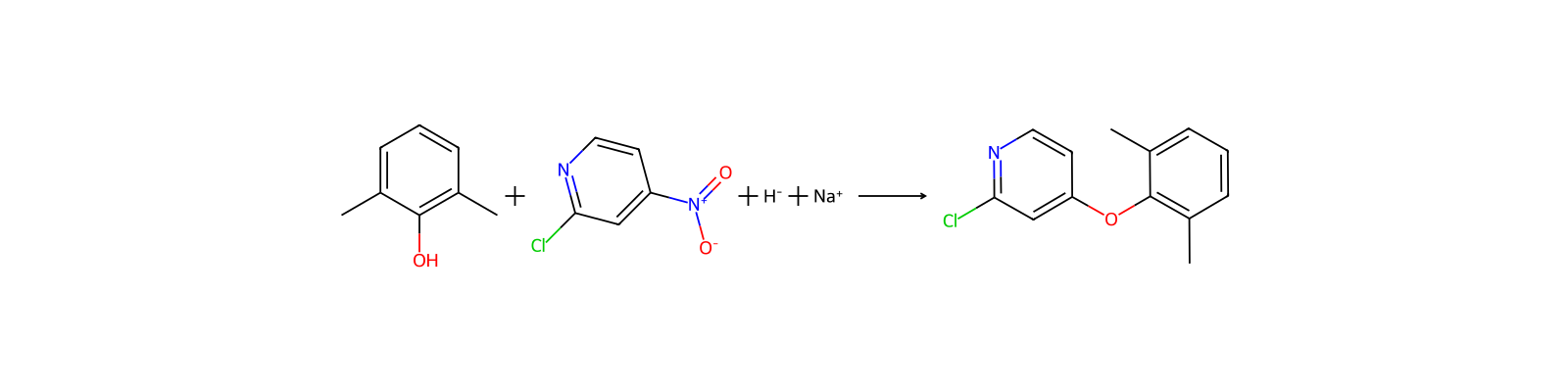
HRID 55563 반응식
HRID 55563반응물로uspto-grants-1997_04
HRID 64757 반응식
HRID 64757반응물로uspto-grants-1986_09
HRID 65454 반응식
HRID 65454반응물로uspto-grants-1986_09
HRID 97041 반응식
HRID 97041반응물로Training data from https://doi.org/10.1039/C8SC04228D (2/10)
HRID 106685 반응식
HRID 106685반응물로Training data from https://doi.org/10.1039/C8SC04228D (2/10)
HRID 110475 반응식
HRID 110475반응물로Training data from https://doi.org/10.1039/C8SC04228D (2/10)
HRID 125258 반응식
HRID 125258반응물로Training data from https://doi.org/10.1039/C8SC04228D (2/10)
HRID 128204 반응식
HRID 128204반응물로uspto-grants-1981_03
1 / 32 페이지

화합물 노트

불러오는 중…

이 페이지에서기본 정보개요이름 및 식별자물성안전 및 규제화학 및 산업관련 반응화합물 노트
더보기
새 노트새 반응견적 요청하기
Flash Point · 3건

165 °F (NTP, 1992)

73 °C

73 °C (closed cup)

Boiling Point · 5건

397 °F at 760 mmHg (NTP, 1992)

203 °C (also reported as 201.030 °C)

201.00 to 203.00 °C. @ 760.00 mm Hg

212 °C

203 °C @760 [mm Hg]

물리화학적 성질

녹는점
43 · 43-45 °C(lit.)
끓는 점
203 °C · 203 °C(lit.)
밀도
1.15 · 1.15
증기압
0.2 hPa · 0.2 hPa (20 °C)
FEMA
3249 · 3249 | 2,6-XYLENOL
굴절률
1.5371 · 1.5371
인화점
173 °F · 173 °F
저장 조건
30 °C · Store below +30°C.
용해도
8 g/L · 8g/L
산도 계수 (pKa)
1 · pK1:10.59 (25°C)
물리적 상태
저융점 고체
색상
무색~황갈색
수소이온지수(pH)
6 · 6-7 (8g/l, H2O, 20℃)
냄새
0.1 % · 프로필렌 글리콜 중 0.10%. 달콤한 약용 페놀릭 루티 커피
냄새 유형
약용
생물학적 소스
synthetic
폭발한계
1.4 % · 1.4%(V)
수용성
10 g/L · 10g/L(20℃)
Merck
14 · 14,10082
JECFA Number
707 · 707
BRN
1446677 · 1446677
Henry's Law Constant
1.6 · 1.6×100 mol/(m3Pa) at 25℃, Brockbank (2013)
안정성
안정적인. 가연성이 매우 높습니다. 산화제, 산 염화물, 산 무수물, 강철, 구리, 구리 합금, 염기, 산 염화물과 호환되지 않습니다.
화장품 원료 기능
향수
InChI
1S/C8H10O/c1-6-4-3-5-7(2)8(6)9/h3-5,9H,1-2H3
InChIKey
NXXYKOUNUYWIHA-UHFFFAOYSA-N
SMILES
Cc1cccc(C)c1O
LogP
2.3 at · 2.3 at 20℃
NIST
2 · Phenol, 2,6-dimethyl-(576-26-1)
EPA
2 · 2,6-Dimethylphenol (576-26-1)

화학적 성질

colourless crystals or white powder. soluble in alcohol, ether, chloroform, benzene and alkali solution, slightly soluble in water.

Hazards Summary · 1건

Irritating to eyes; [HSDB] Safe when used as a flavoring agent in food; [JECFA] Corrosive to tissues; Inhalation may cause laryngeal spasm, edema of the bronchi, and chemical pneumonitis; Chronic exposure may cause liver and kidney damage [CAMEO] Toxic by ingestion, and skin contact; May cause burns; [eChemPortal: ESIS] A corrosive substance that can cause injury to the skin, eyes, and respiratory tract; Inhalation may cause chemical pneumonitis and edema; May be absorbed through skin; Effects in high-dose animal studies include general anesthesia, convulsions or effect on seizure threshold, and impaired liver function; [MSDSonline] As the six dimethylphenol isomers and the mixed isomer substance are generally similar in toxicity, a common TLV for these substances is appropriate. . . . In mice, oral exposure to 250 mg/kg/day produced changes in blood parameters including statistically significant decreases in mean corpuscular volume and mean corpuscular hemoglobin concentration (4 and 3% reduction in mean values, respectively. . . . Available data on skin sensitization from exposure to dimethylphenol are mixed but warrant the addition of a DSEN notation. . . . All six dimethylphenol isomers were tested in a mouse local lymph node assay and the results found 2.4, 2,5, and 3,4-dimethylphenol to be positive for skin sensitization. There are no epidemiology studies. In a case report, ingestion of about 250 ml of a mixture of dimethylphenol isomers resulted in CNS depression, hypotension, and death. [ACGIH] See Phenol.

Reactive GroupPhenols and Cresols
Special Reports · 3건

Toxikologische Bewertung 138: 19 (1995). Summary and assessment of 2,6-xylenol.

Environmental Protection Agency EPA/600/8-88/031 p.30 (1987). Health effects assessment for dimethylphenols.

Tucker JD et al; Mutat Res 297 (2): 101-80 (1993). Sister-chromatid exchange: second report of the Gene-Tox Program.

Reactivity Profile2,6-DIMETHYLPHENOL is incompatible with bases, acid chlorides, acid anhydrides, and oxidizing agents. Corrodes steel, brass, copper, and copper alloys. (NTP, 1992)
DOT Emergency Guidelines · 5건

/GUIDE 153: SUBSTANCES - TOXIC AND/OR CORROSIVE (COMBUSTIBLE)/ Health: TOXIC; inhalation, ingestion, or skin contact with material may cause severe injury or death. Contact with molten substance may cause severe burns to skin and eyes. Avoid any skin contact. Effects of contact or inhalation may be delayed. Fire may produce irritating, corrosive and/or toxic gases. Runoff from fire control or dilution water may be corrosive and/or toxic and cause pollution. /Xylenols; Xylenols, liquid; Xylenols, solid/

/GUIDE 153: SUBSTANCES - TOXIC AND/OR CORROSIVE (COMBUSTIBLE)/ Fire or Explosion: Combustible material: may burn but does not ignite readily. When heated, vapors may form explosive mixtures with air: indoors, outdoors, and sewers explosion hazards. Those substances designated with a "P" may polymerize explosively when heated or involved in a fire. Contact with metals may evolve flammable hydrogen gas. Containers may explode when heated. Runoff may pollute waterways. Substance may be transported in a molten form. /Xylenols; Xylenols, liquid; Xylenols, solid/

/GUIDE 153: SUBSTANCES - TOXIC AND/OR CORROSIVE (COMBUSTIBLE)/ Public Safety: CALL Emergency Response Telephone Number ... . As an immediate precautionary measure, isolate spill or leak area in all directions for at least 50 meters (150 feet) for liquids and at least 25 meters (75 feet) for solids. Keep unauthorized personnel away. Stay upwind. Keep out of low areas. Ventilate enclosed areas. /Xylenols; Xylenols, liquid; Xylenols, solid/

/GUIDE 153: SUBSTANCES - TOXIC AND/OR CORROSIVE (COMBUSTIBLE)/ Protective Clothing: Wear positive pressure self-contained breathing apparatus (SCBA). Wear chemical protective clothing that is specifically recommended by the manufacturer. It may provide little or no thermal protection. Structural firefighters' protective clothing provides limited protection in fire situations ONLY; it is not effective in spill situations where direct contact with the substance is possible. /Xylenols; Xylenols, liquid; Xylenols, solid/

For more DOT Emergency Guidelines (Complete) data for 2,6-DIMETHYLPHENOL (8 total), please visit the HSDB record page.

Air and Water ReactionsInsoluble in water
Hazard Classes and Categories · 5건

Acute Tox. 3 (100%)

Acute toxicity - category 3

Acute toxicity (Oral) - Category 3

Acute toxicity (Oral) - Category 3

Acute Tox. 3 *

안전 및 보호

Fire FightingFires involving this material can be controlled with a dry chemical, carbon dioxide or Halon extinguisher. (NTP, 1992)
First Aid · 1건

EYES: First check the victim for contact lenses and remove if present. Flush victim's eyes with water or normal saline solution for 20 to 30 minutes while simultaneously calling a hospital or poison control center. Do not put any ointments, oils, or medication in the victim's eyes without specific instructions from a physician. IMMEDIATELY transport the victim after flushing eyes to a hospital even if no symptoms (such as redness or irritation) develop.

Cleanup MethodsFOUNDRY PLANT WASTE GASES WERE DEODORIZED WITH POTASSIUM PERMANGANATE, & DEODORIZATION EFFICIENCY WAS MEASURED BY PRESENCE OF 2,6-XYLENOL IN SCRUBBED WASTE GASES.
Nonfire Spill Response · 1건

SMALL SPILLS AND LEAKAGE: Should a spill occur while you are handling this chemical, FIRST REMOVE ALL SOURCES OF IGNITION, then you should dampen the solid spill material with 60-70% ethanol and transfer the dampened material to a suitable container. Use absorbent paper dampened with 60-70% ethanol to pick up any remaining material. Seal the absorbent paper, and any of your clothes, which may be contaminated, in a vapor-tight plastic bag for eventual disposal. Solvent wash all contaminated surfaces with 60-70% ethanol followed by washing with a soap and water solution. Do not reenter the contaminated area until the Safety Officer (or other responsible person) has verified that the area has been properly cleaned.

Disposal Methods · 2건

SRP: At the time of review, criteria for land treatment or burial (sanitary landfill) disposal practices are subject to significant revision. Prior to implementing land disposal of waste residue (including waste sludge), consult with environmental regulatory agencies for guidance on acceptable disposal practices.

Chemical Treatability of 2,6-Dimethylphenol; Concentration Process: Biological treatment; Chemical Classification: Phenols; Scale of Study: Unknown; Type of Wastewater Used: Pure compound (one solute in a solvent); Results of Study: 94.3% reduction based on chemical oxygen demand; rate of biodegradation 9 mg chemical oxygen demand/g hr (Activated sludge process).

Preventive Measures · 1건

SRP: The scientific literature for the use of contact lenses in industry is conflicting. The benefit or detrimental effects of wearing contact lenses depend not only upon the substance, but also on factors including the form of the substance, characteristics and duration of the exposure, the uses of other eye protection equipment, and the hygiene of the lenses. However, there may be individual substances whose irritating or corrosive properties are such that the wearing of contact lenses would be harmful to the eye. In those specific cases, contact lenses should not be worn. In any event, the usual eye protection equipment should be worn even when contact lenses are in place.

Isolation and EvacuationExcerpt from ERG Guide 153 [Substances - Toxic and/or Corrosive (Combustible)]:
Threshold Limit Values (TLV)1.0 [ppm], inhalable fraction and vapor
Protective Action Criteria (PAC) · 3건

6.0 [mg/m3]

26 [mg/m3]

59 [mg/m3]

Personal Protective Equipment (PPE) · 4건

MINIMUM PROTECTIVE CLOTHING: If Tyvek-type disposable protective clothing is not worn during handling of this chemical, wear disposable Tyvek-type sleeves taped to your gloves.

Some data suggesting breakthrough times /for butyl rubber/ of approximately an hour or more. /Aromatic hydroxyl cmpd/

Breakthrough times /for neoprene/ greater than one hour reported by (normally) two or more testers. /Aromatic hydroxyl cmpd/

Breakthrough times /for polyvinyl alcohol/ less (usually significantly less) than one hour reported by (normally) two or more testers. /Aromatic hydroxyl cmpd/

독성 정보

Target OrgansHepatic
Ecotoxicity Values · 3건

LC50 PIMEPHALES PROMELAS (FATHEAD MINNOW) > 27 MG/L/96 HR /FRESHWATER, FLOW THROUGH BIOASSAY/

LC100 Terahymena pyriformis (ciliate) 2.66 mmole/l/24 hr /Conditions of bioassay not specified/

LC50 Daphnia magna (cladoceran) 11.2 mg/1/48 hr /Static bioassay/

Environmental Fate · 3건

TERRESTRIAL FATE: Based on a classification scheme(1), an estimated Koc value of 460(SRC), determined from a log Kow of 2.36(2) and a regression-derived equation(3), indicates that 2,6-dimethylphenol is expected to have moderate mobility in soil(SRC). Volatilization of 2,6-dimethylphenol from moist soil surfaces is expected to be an important fate process(SRC) given a Henry's Law constant of 6.7X10⁻⁶ atm-cu m/mole (4). 2,6-Dimethylphenol is not expected to volatilize from dry soil surfaces(3) based upon a vapor pressure of 0.274 mm Hg at 25 °C(4). The rate of biodegradation obtained for 2,6-dimethylphenol in a screening test with an adapted activated sludge seed was 94.3% chemical oxygen demand after 5 days(6). Other dimethylphenols have been reported to degrade within 4 to 14 days from soil(7).

AQUATIC FATE: Based on a classification scheme(1), a Koc value of 460(SRC), determined from a log Kow of 2.36(2) and a regression-derived equation(3), indicates that 2,6-dimethylphenol is expected to adsorb very little to suspended solids and sediment in water(SRC). 2,6-Dimethylphenol is expected to volatilize from water surfaces(3,SRC) based upon a Henry's Law constant of 6.7X10⁻⁶ atm-cu m/mole(4). Estimated volatilization half-lives for a model river and model lake are 6 days and 49 days, respectively(3,SRC). According to a classification scheme(5), an estimated BCF of 37(3,SRC), from 2,6-dimethylphenol's log Kow(2), suggests bioconcentration in aquatic organisms is moderate(SRC). In humic waters, degradation by the reaction with peroxy radicals should ensue with a half-life on the order of hours(6). 2,6-Dimethylphenol is not expected to undergo hydrolysis in the environment due to the lack of hydrolyzable functional groups(3). Screening studies indicate that a loss of 94.3% chemical oxygen demand was obtained after 5 days(7). In addition, it has been reported that 2,6-dimethylphenol was readily degraded in St. Lawrence River water(8). Biodegradation under anaerobic conditions failed to occur in one study, time unspecified(9) and only 7% degradation occurred after 8 weeks in another study(10).

ATMOSPHERIC FATE: According to a model of gas/particle partitioning of semivolatile organic compounds in the atmosphere(1), 2,6-dimethylphenol, which has a vapor pressure of 0.274 mm Hg at 25 °C(2), is expected to exist solely as a vapor in the ambient atmosphere. Vapor-phase 2,6-dimethylphenol is degraded in the atmosphere by reaction with photochemically-produced hydroxyl radicals(SRC); the half-life for this reaction in air is estimated to be 5.8 hours(SRC) from its rate constant of 6.60X10⁻¹¹ cu cm/molecule-sec at 25 °C(3). Atmospheric 2,6-dimethylphenol is known to be removed by rainwater(4). 2,6-Dimethylphenol has an absorption band at 268 nm (water), and a shoulder may extend over 290 nm, thus making it a candidate for direct photochemical degradation(5,6). Night-time degradation in urban areas should occur rapidly through reaction with atmospheric nitrate radicals, as rate constants for this reaction with phenolic compounds are approximately 250 times faster than with hydroxyl radicals(7,SRC).

Food Survey Values2,6-Dimethylphenol has been identified as a volatile flavor component of the Japanese dried food, Bonito(1).
Adverse EffectsNeurotoxin - Other CNS neurotoxin
Effluent Concentrations · 1건

Waste water from the gasification of Indian Head lignite coal in North Dakota was determined to have an estimated 2,6-dimethylphenol concn of 12 mg/l(1). 2,6-Dimethylphenol was detected in three samples of shale oil wastewater in the range 0.75-1.7 ug/ml at three different sites at the Rio Blanco Oil Shale Company in Logan, WA and at the Laramie Energy Technology Center, WY(2). 2,6-Dimethylphenol was identified but not quantified in leachate collected from a Swedish municipal landfill in May 1990(3). 2,6-Dimethylphenol was identified as a volatile component from textile floor coverings, concn unknown(4).

EPA IRIS Information · 3건

2,6-Dimethylphenol

Hepatic

6 x 10 ^-4 mg/kg-day

Soil Adsorption/Mobility · 2건

The Koc of 2,6-dimethylphenol is estimated as 460(SRC), using a log Kow of 2.36(1) and a regression-derived equation(2). According to a classification scheme(3), this estimated Koc value suggests that 2,6-dimethylphenol is expected to have moderate mobility in soil(SRC). 72.8% and 8% of 2,6-dimethylphenol was adsorbed onto the high clay content, adsorption activated materials Bentone 24 (pH 7.9) and Bentone 18C (pH 7.6), respectively; these values fluctuate as a function of pH(4).

Fine textured soils with appreciable iron oxides (e.g., Molokai clay) are more likely to slow the migration of 2.6-dimethylphenol than clay soils low in iron oxides (e.g, Fanno clay)(1). One study determined that adsorption of dimethylphenols by soils is very time dependent; the percentage of iron oxides and pH were determined to be two of the most important soil properties controlling the adsorption of 2,6-dimethylphenol by mineral soils(2). Laboratory gas-phase sorption/desorption studies for 2,6-dimethylphenol showed that sorption to high clay content soils in the gas phase can be important; the ratio of sorption to organic matter was the same for the two clays studied(2). It was shown that the adsorption and transformation of 2,6-dimethylphenol onto smectite clay surfaces were greatly influenced by the nature of the exchangeable cations Fe, Al, Ca, and Na(3).

Natural Pollution SourcesDimethylphenols, of which 2,6-dimethylphenol is an isomer, are present in the essential oils of various conifers, in tea, and in tobacco and tobacco smoke(1).
Atmospheric Concentrations · 1건

URBAN/SUBURBAN: In 1984, a gas phase concn of 2,6-dimethylphenol was detected in 7 of seven rain events in Portland, OR, at concns ranging from 0.009-0.15 ng/cu m; the amount associated with adsorption to particulate matter was <5% of the gas phase concn in every case(1). 2,6-Dimethylphenol was detected at 0.4 ug/cu m in the air outside an oil shale wastewater facility in Logan WA, but not in a nearby undeveloped site(2).

Human Toxicity Excerpts · 2건

TOXIC BY INGESTION AND SKIN ABSORPTION. /COMMERCIAL MIXTURES/

A case of fatal xylenol ingestion by a long stay mental hospital patient is described. The clinical course was similar to that observed in other phenolic poisonings with active bowel sounds, nausea ad vomiting, severe metabolic acidosis, hypotension and cardiac and renal failure. The formulation of xylenol ingested contains alcohol which would facilitate absorption; due to the dangers of such poisonings care must be exercised as to access and exposure to xylenol sterilising agents.

Artificial Pollution Sources · 2건

/SRP/: DIMETHYLPHENOLS OCCUR IN SHALE OIL PROCESS WATER, INDUSTRIAL WASTE WATER, AIRBORNE PARTICULATES, ... AND EVOLUTES FROM WASTE CHEMICAL DUMPS. /DIMETHYLPHENOLS/

2,6-Dimethylphenol's use for the preparation of coal tar disinfectants (1), in the manufacture of artificial resins(1,3), as a constituent of coal tar creosote (0.5 wt%)(2), as a raw material for pesticide manufacture(3), and as a component of automobile and diesel exhaust(4-7) may result in its release to the environment through various waste streams(SRC). In addition, 2,6-dimethylphenol has been released to the atmosphere by the paint industry(7) and via the combustion of phenolic resins and foam insulation used in the construction industry(8). Dimethylphenols, of which 2,6-dimethylphenol is an isomer, are components of disinfectants, solvents, pharmaceuticals, insecticides, fungicides, plasticizers, rubber chemicals, additives to lubricants and gasolines, wetting agents and dyestuffs(9).

안전 데이터

wgk
2
tsca
TSCA listed
rtecs
ZE6125000
ridadr
UN 2261 6.1/PG 2
독성
LD50 orally in Rabbit: 296 mg/kg LD50 dermal Rabbit 1000 mg/kg
HS 번호
29071400
risk_code
24/25-34-51/53
hazard_code
T,N
safety_code
26-36/37/39-45-61
포장분류
II
위험 등급
6.1
기존화학 물질
KE-35435
자연 발화 온도
555 °C
Hazard Classifications
Acute Tox. 3 DermalAcute Tox. 3 OralAquatic Chronic 2Eye Dam. 1Skin Corr. 1BSTOT SE 3
스토리지 클래스
6.1A - Combustible acute toxic Cat. 1 and 2very toxic hazardous materials
유해 물질 데이터
576-26-1(Hazardous Substances Data)
함량 및 규제정보
물질구분: 유독물질; 혼합물(제품)함량정보: 크실레놀 및 이를 5% 이상 함유한 혼합물
유해화학물질 필터링
97-1-274
Household ProductsInformation on 5 consumer products that contain 2,6-Xylenol in the following categories is provided:
Use Classification · 4건

Fragrance Ingredients

Flavouring Agent -> FLAVOURING_AGENT -> JECFA Functional Classes

Flavoring Agents -> JECFA Flavorings Index

Flavouring Agent -> FLAVOURING_AGENT -> JECFA Functional Classes

General Manufacturing Information · 4건

Soap, Cleaning Compound, and Toilet Preparation Manufacturing

Phenol, 2,6-dimethyl-: ACTIVE

2,6-Dimethylphenol produces 2,6-dimethyl-1,4-phenylene oxide via oxidative coupling polymerization in the prescence of cobalt-containing catalysts of the salcomine type.

Tetra-methyl-bisphenol, a monomer, is produced by condensing acetone with 2,6-dimethylphenol.

응용 분야 · 3건

출처Reported found in smoked fatty fish, boiled and cooked cured pork, rum, malt whiskey, Japanese whiskey, coffee, katsuobushi (dried bonito) and lamb’s lettuce (Valerianella locusta).

용도Similar to other xylenol compounds, 2,6-dimethylphenol is used in the synthesis of anti-oxidant compounds due to the phenol moiety in the structure. In addition, this compound is used as a a reactant in the synthesis of polyphenylene ether polymers.

일반 설명2,6-dimethylphenol is a colorless to off-white crystalline solid with a sweet tarry odor. Odor threshold concentration: 0.4 mg/L . (NTP, 1992)

제조 방법 · 1건

From coal tar oil or coal hydrogenation.Synthesis of 2,6-dimethylphenol: The gas-phase catalytic reaction of phenol and methanol is carried out, and then purified by rectification, and the product purity can reach more than 99%.Selective phenol methylation to 2,6-dimethylphenol in a fluidized bed of iron-chromium mixed oxide catalyst with o–cresol circulationCatalytic synthesis of 2,6-dimethylphenol from methanol and cyclohexanone over titanium oxide-supported vanadium oxide catalysts

상·하류 제품 정보

상류 원료

O-크레졸Silane, (1,1-dimethylethyl)(2,6-dimethylphenoxy)dimethyl-2,6-Dimethylphenylboronic acid4-Hydroxy-3,5-dimethylbenzoic acid2,6-Dimethylanisole2-Chloro-1,3-dimethylbenzene2-Iodo-1,3-dimethylbenzene2-브로모-메타-크실렌2,3-자일렌올

하류 제품

1-(2,6-디메틸페녹시)아세톤3,5-자일렌올3,4-자일렌올O-크레졸(2,6-DIMETHYLPHENOXY)아세톡심1-(2,6-다이메틸페녹시)-2-프로판올2,6-다이메틸아닐린1-(2,6-Dimethylphenoxy)-2-propanamine4-히드록시-3,5-디메틸벤즈알데히드4-시클로헥실-2,6-자일레놀