홈MCP워크벤치Skills
홈워크벤치알림마이페이지
llms.txt · MCP 가이드개인정보처리방침 · 이용약관 · 지원v1.8.3
  1. 홈
  2. /화합물

요산

Uric Acid

HCID 1175
새 반응
인쇄
기본 정보개요이름 및 식별자물성안전 및 규제화학 및 산업관련 반응화합물 노트
부분 구조 검색유사 구조 찾기

기본 정보

CAS
69-93-2
표준 SMILES
O=c1[nH]c(=O)c2[nH]c(=O)[nH]c2[nH]1
InChIKey
LEHOTFFKMJEONL-UHFFFAOYSA-N
분자식
C5H4N4O3
평균 분자량
168.11 g/mol
단동위원소 질량
168.02834

개요

7,9-dihydro-1H-purine-2,6,8(3H)-trione is an oxopurine in which the purine ring is substituted by oxo groups at positions 2, 6, and 8. It has a role as a mouse metabolite, an Escherichia coli metabolite and a human metabolite. It is a tautomer of a 2,6-dihydroxy-7,9-dihydro-8H-purin-8-one, a 9H-purine-2,6,8-triol, a 7H-purine-2,6,8-triol, a 1H-purine-2,6,8-triol and a 5,7-dihydro-1H-purine-2,6,8(9H)-trione.

이름 및 식별자

우선 이름
Uric Acid
IUPAC
7,9-dihydro-3H-purine-2,6,8-trione
현지명
요산
영어명
Uric acid
분자식
C5H4N4O3
분자량
168.11

이름 및 동의어

uric acid69-93-2urateLithic acid2,6,8-trioxypurine2,6,8-trihydroxypurine2,6,8-Trioxopurine7,9-Dihydro-1H-purine-2,6,8(3H)-trione1H-Purine-2,6,8-triol1H-Purine-2,6,8(3H)-trione, 7,9-dihydro-Purine-2,6,8(1H,3H,9H)-trione7,9-dihydro-3H-purine-2,6,8-trione
이름 더 보기
우르산요산우릭애씨드TRIKETOPURINEUric aciNSC 3975URIC OXIDEUricAcidGrURIC ACID(RG)
2,3,6,7,8,9-hexahydro-1H-purine-2,6,8-trionetrioxopurineUricum acidumIdelalisib metabolite m54DTXSID3042508NSC-3975268B43MJ25DTXCID1022508

데이터베이스 식별자

CAS
69-93-2
PubChem CID
1175
DTXSID
DTXSID3042508
ChEMBL
CHEMBL792
ChEBI
CHEBI:17775
UNII
268B43MJ25

물성

구조 계산 물성

XLogP
-1.9
극성 표면적
99.3 Ų
수소 결합 공여자 수
4
수소 결합 수용자 수
3
회전 가능 결합 수
0
무거운 원자 수
12
형식 전하
0
복잡도
332

실험 및 물리화학적 성질

Chemical ClassesNitrogen Compounds -> Purines
DrugsPharmaceuticals -> Listed in ZINC15
CosmeticsSkin conditioning; Buffering
SpringerMaterials PropertiesCrystal structure
LogP-2.17
Solubility0.06 mg/mL
Melting Point · 2건

Greater than 300 °C

> 300 °C

Physical Description · 2건

White odorless solid; [Merck Index] Beige powder; [Sigma-Aldrich MSDS]

Solid

Dissociation Constants5.4
Collision Cross Section · 5건

126.4 Ų [M-H]- [CCS Type: DT; Buffer gas: N2; Ionization: ESI-; Dataset: TOXCAST; Source Identifier: DTXSID3042508]

126.93 Ų [M-H]- [CCS Type: DT; Method: stepped-field]

143.5 Ų [M+Na]+ [CCS Type: DT; Method: stepped-field]

130.7 Ų [M+H]+ [CCS Type: DT; Method: single field calibrated with ESI Low Concentration Tuning Mix (Agilent)]

안전 및 규제

안전 정보는 참고용이며, 공급업체의 물질안전보건자료(SDS), 관련 법규 및 전문가 평가를 대체하지 않습니다.

GHS 분류

GHS Classification · 3건

This chemical does not meet GHS hazard criteria for 96.8% (30 of 31) of all reports.

Not Classified

Aggregated GHS information provided per 31 reports by companies from 2 notifications to the ECHA C&L Inventory.

유해성 정보

Regulatory Information · 3건

Chemical: 1H-Purine-2,6,8(3H)-trione, 7,9-dihydro-

REACH registered substance: Uric acid (EC: 200-720-7)

1H-Purine-2,6,8(3H)-trione, 7,9-dihydro-: Does not have an individual approval but may be used under an appropriate group standard

Other Safety InformationEvaluation - Chemicals that are unlikely to require further regulation to manage risks to environment
Hazards SummaryMay cause irritation; Reproductive effects observed in rats; [Sigma-Aldrich MSDS]
Hazard Classes and CategoriesNot Classified

안전 데이터

wgk
3
tsca
TSCA listed
rtecs
YU7050080
독성
A nitrogenous end product and the principal excretory product of purine metabolism in mammals. In birds and reptiles, it is the principal end product of nitrogen metabolism in general. Defects in uric acid metabolism and excretion appear to be associated with a number of disease states, and it frequently occurs as a component of renal calculi. It has not been associated closely with toxic insults except in the case of lead poisoning. Lead causes an elevation in blood uric acid concentration (uric acidemia) and a decrease in uric acid excretion.
HS 번호

화학 및 산업

약리 정보

Pharmacodynamics · 1건

Uric acid is a strong reducing agent (donates electrons) and an antioxidant. Normally in humans, one of the main antioxidants in plasma is uric acid. Several animal studies have found that animals given exogenous uric acid within 3 hours after a stroke had decreased infarct volume, improved neurologic function, and diminished inflammatory responses providing evidence for the neuroprotective effects of uric acid. In some early human studies, uric acid has so far shown similar neuroprotective effects, in both the cortex and subcortex areas, due to its antioxidant effects such as decreased lipid peroxidation, and there appears to be no significant toxicities.

Mechanism of ActionThe exact mechanism of action for uric acid's antioxidant effects have not yet been elucidated.
Metabolism/MetabolitesIn higher primates and humans, the enzyme, uricase, is absent, and thus uric acid is not further metabolized and is excreted. In all other mammals, uric acid is metabolized by uricase to allantoin, which is then excreted.
MeSH Pharmacological ClassificationNaturally occurring or synthetic substances that inhibit or retard oxidation reactions. They counteract the damaging effects of oxidation in animal tissues.
Absorption, Distribution and ExcretionUric acid is eliminated by the kidneys.
Tissue LocationsAdipose Tissue
Cellular LocationsExtracellular
Metabolite PathwaysAdenine phosphoribosyltransferase deficiency (APRT)

용도 및 제조

관련 반응

10건
반응 기록 만들기
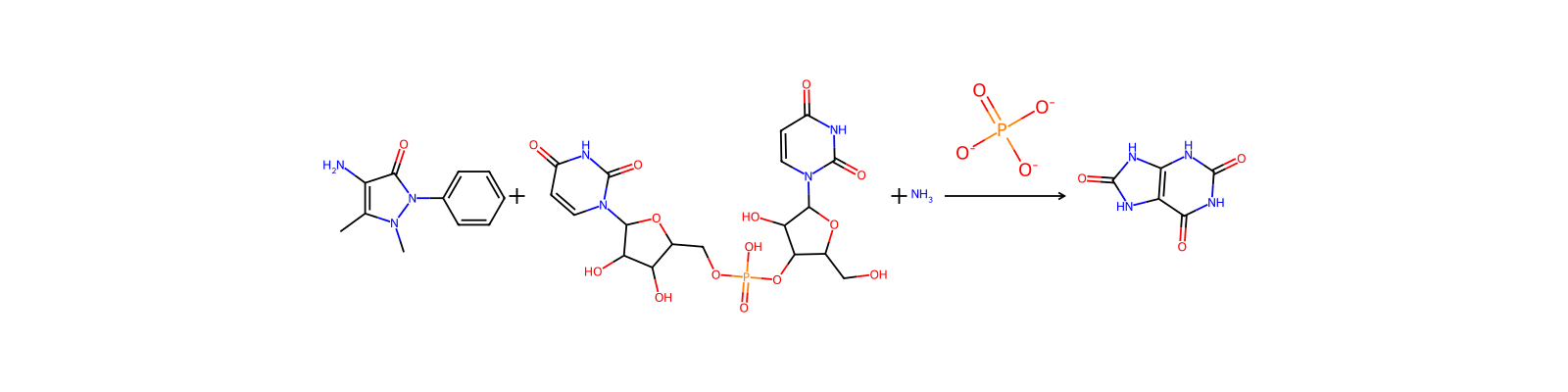
HRID 5761 반응식
HRID 5761생성물로
HRID 435970 반응식
HRID 435970생성물로반응물로
HRID 444429 반응식
HRID 444429생성물로
HRID 483075 반응식
HRID 483075반응물로
HRID 522489 반응식
HRID 522489반응물로
HRID 590946 반응식
HRID 590946반응물로
HRID 904269 반응식
HRID 904269생성물로반응물로
HRID 1284852 반응식
HRID 1284852반응물로
이전1 / 2 페이지

화합물 노트

이 페이지에서기본 정보개요이름 및 식별자물성안전 및 규제화학 및 산업관련 반응화합물 노트
EC Number
200-720-7
Nikkaji
J2.372H

130.5 Ų [M+H]+

물리화학적 성질

녹는점
300 °C · >300 °C (lit.)
끓는 점
297.02 °C · 297.02°C (rough estimate)
밀도
1 · 1,9 g/cm3
굴절률
1.99 · 1.9900 (estimate)
저장 조건
2 · Sealed in dry,2-8°C
용해도
수성 베이스(약간 용해됨, 가열됨)
산도 계수 (pKa)
3.89 · 3.89(at 12℃)
물리적 상태
수정 같은
색상
흰색에서 황백색까지
냄새
냄새 없는
생물학적 소스
animal (seabird feces (guano))
수용성
1 M · 1M 수산화나트륨 용액에 용해됩니다. 물에 약간 용해됩니다. 에테르와 알코올에 불용성.
비열
0.99 J/ · Cp(crystal): 0.99 J/(g·K), at 25℃
Merck
14 · 14,9875
BRN
156158 · 156158
안정성
안정적인. 산, 염기, 산화제와 호환되지 않습니다.
화장품 원료 기능
피부 컨디셔닝버퍼링
InChI
1S/C5H4N4O3/c10-3-1-2(7-4(11)6-1)8-5(12)9-3/h(H4,6,7,8,9,10,11,12)
InChIKey
LEHOTFFKMJEONL-UHFFFAOYSA-N
SMILES
O=C1NC(=O)C2=C(N1)NC(=O)N2
LogP
-1.73 · -1.730 (est)
EPA
Uric acid (69-93-2)
화학적 성질 · 1건

Uric acid (C5H4O3N4) is a white solid that is insoluble in cold water, alcohol, or ether and sparingly soluble in hot water. It acts as a weak dibasic acid, creating two series of salts, with most being very slightly soluble in water (except for lithium urate, which is soluble).

2933990099
risk_code
33-36/37/38
hazard_code
Xi
safety_code
24/25-36-26
기존화학 물질
KE-10742
스토리지 클래스
11 - Combustible Solids
Uses
Found in the urine of all carnivores; [Merck Index] Permitted for use as an inert ingredient in non-food pesticide products; [EPA]
Use ClassificationCosmetics -> Skin conditioning; Buffering
General Manufacturing Information1H-Purine-2,6,8(3H)-trione, 7,9-dihydro-: ACTIVE
응용 분야 · 2건

출처Uric acid is found in the urine, blood, and muscle juices of carnivorous animals (herbivorous animals secrete hippuric acid), in the excrement of birds, serpents and insects, and is an oxidation product of the complex nitrogenous compounds of the animal organism.

용도Uric Acid is a heterocyclcic compound that is created when purine nucleotides are broken down of by the human body. High blood concetration of Uric Acid is known as hyperuricemia and is often associated with a wide range of disorders and medical conditions such as gout, diabetes and metabolic syndrome. Uric acid may be a marker of oxidative stress and may have a potential therapeutic role as an antioxidant.

상·하류 제품 정보

하류 제품

카페인하이포크산틴6-아미노-1,3,5-트라이아진-2,4(1H,3H)-다이온triuret1,3,7-트리메틸루르산4-Methyl-2-heptene

추가 설명

정의A nitrogen compound produced from purines. In certain animals (e.g. birds and reptiles), it is the main excretory product resulting from breakdown of amino acids. In humans, uric acid crystals in the joints are the cause of gout.