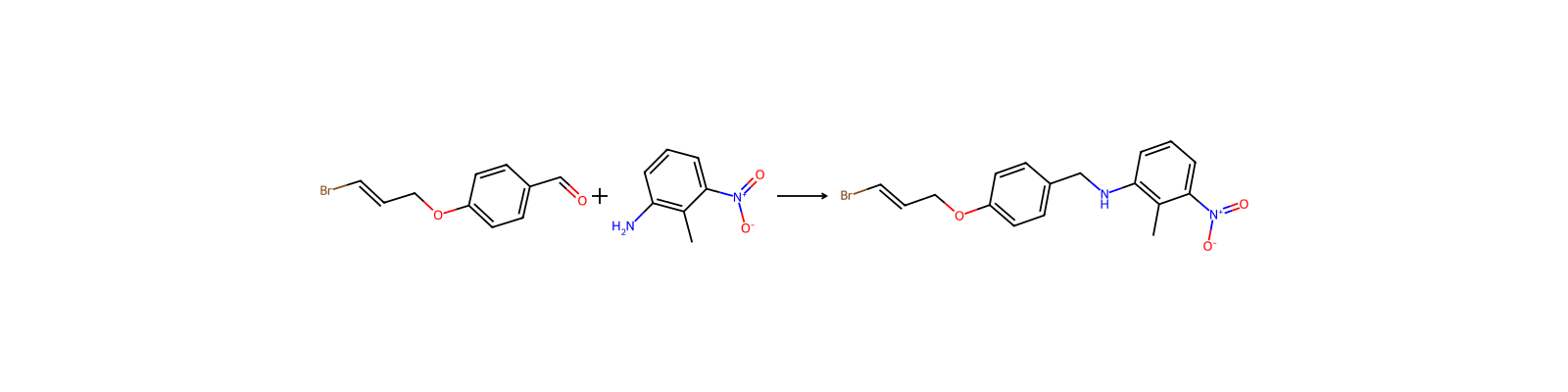

기본 정보
- CAS
603-83-8- 표준 SMILES
Cc1c(N)cccc1[N+](=O)[O-]- InChIKey
HFCFJYRLBAANKN-UHFFFAOYSA-N- 분자식
- C7H8N2O2
- 평균 분자량
- 152.15 g/mol
- 단동위원소 질량
- 152.0585775
개요
2-methyl-3-nitroaniline appears as yellow rhombic needles (from water) or bright yellow powder. (NTP, 1992)
이름 및 식별자
- 우선 이름
- 2-Methyl-3-nitroaniline
- IUPAC
- 2-methyl-3-nitroaniline
- 영어명
- 2-Methyl-3-nitroaniline
- 분자식
- C7H8N2O2
- 분자량
- 152.15
이름 및 동의어
2-Methyl-3-nitroaniline603-83-82-Amino-6-nitrotoluene3-NITRO-O-TOLUIDINEBenzenamine, 2-methyl-3-nitro-o-Toluidine, 3-nitro-2-methyl-3-nitrobenzenamine1-Amino-2-methyl-3-nitrobenzeneDTXSID8025628D3JC433CEB6-nitro-2-aminotoluene6-Amino-2-nitrotoluene
이름 더 보기
-3-nitroaniL3-nitro-o-toluidinMethyl-3-nitroanilLABOTEST-BB LTBB0006222-Methy-3-nitroaniline2-NITRO-6-AMINOTOLUENE
NSC-227939DTXCID505628NSC-25011RefChem:475379210-059-62-methyl-3-nitro-anilineMFCD000077312-methyl-3-nitro-phenylamine
데이터베이스 식별자
- CAS
603-83-8- PubChem CID
- 11783
- DTXSID
DTXSID8025628- ChEMBL
CHEMBL1882292- UNII
- D3JC433CEB
- EC Number
- 210-059-6
- Nikkaji
- J85.099C
물성
구조 계산 물성
- XLogP
- 1.8
- 극성 표면적
- 71.8 Ų
- 수소 결합 공여자 수
- 1
- 수소 결합 수용자 수
- 3
- 회전 가능 결합 수
- 0
- 무거운 원자 수
- 11
- 형식 전하
- 0
- 복잡도
- 155
실험 및 물리화학적 성질
Solubilityless than 1 mg/mL at 73 °F (NTP, 1992)
Boiling Point581 °F at 760 mmHg (decomposes) (NTP, 1992)
Melting Point198 °F (NTP, 1992)
Physical Description2-methyl-3-nitroaniline appears as yellow rhombic needles (from water) or bright yellow powder. (NTP, 1992)
물리화학적 성질
- 녹는점
- 88 · 88-90 °C (lit.)
- 끓는 점
- 305 °C · 305 °C (lit.)
- 밀도
- 1.378 · 1.378
- 굴절률
- 1.6394 · 1.6394 (estimate)
- 인화점
- 305 °C · 305°C
- 저장 조건
- 30 °C · Store below +30°C.
- 용해도
- 1 mg/L · <1mg/L
- 물리적 상태
- 결정성 분말
- 산도 계수 (pKa)
- 2.31 · 2.31±0.10(Predicted)
- 색상
- 노란색에서 녹황색까지
- 수용성
- 23 · 23&C에서 <0.1g/100mL
- BRN
- 388393 · 388393
- InChI
- 1S/C7H8N2O2/c1-5-6(8)3-2-4-7(5)9(10)11/h2-4H,8H2,1H3
- InChIKey
- HFCFJYRLBAANKN-UHFFFAOYSA-N
- SMILES
- Cc1c(N)cccc1[N+]([O-])=O
- NIST
- 2 · 2-Methyl-3-nitroaniline(603-83-8)
- EPA
- 2 · 2-Methyl-3-nitroaniline (603-83-8)
화학적 성질
YELLOW TO GREENISH-YELLOW CRYSTALLINE POWDER
안전 및 규제
GHS 분류
GHS Classification
Danger
H301 (100%): Toxic if swallowed [Danger Acute toxicity, oral]
P260, P261, P262, P264, P270, P271, P273, P280, P301+P316, P302+P352, P304+P340, P316, P319, P321, P330, P361+P364, P391, P403+P233, P405, and P501 (click each P-code to see the statement)
Aggregated GHS information provided per 48 reports by companies from 6 notifications to the ECHA C&L Inventory. Each notification may be associated with multiple companies.
유해성 정보
Regulatory Information
Chemical: Benzenamine, 2-methyl-3-nitro-
2-Methyl-3-nitroaniline: Does not have an individual approval but may be used under an appropriate group standard
DOT LabelPoison
Fire HazardsFlash point data for this chemical are not available; however, it is probably combustible. (NTP, 1992)
Health HazardsSYMPTOMS: Symptoms of exposure to this compound include skin and eye irritation.
Reactive GroupNitro, Nitroso, Nitrate, and Nitrite Compounds, Organic
Reactivity Profile2-METHYL-3-NITROANILINE is incompatible with acids, acid chlorides, acid anhydrides, chloroformates and strong oxidizers. (NTP, 1992)
Air and Water ReactionsThis chemical may be sensitive to prolonged exposure to air. Insoluble in water.
Hazard Classes and CategoriesAcute Tox. 3 (100%)
안전 및 보호
Fire FightingFires involving this material can be controlled with a dry chemical, carbon dioxide or Halon extinguisher. A water spray may also be used. (NTP, 1992)
First Aid
EYES: First check the victim for contact lenses and remove if present. Flush victim's eyes with water or normal saline solution for 20 to 30 minutes while simultaneously calling a hospital or poison control center. Do not put any ointments, oils, or medication in the victim's eyes without specific instructions from a physician. IMMEDIATELY transport the victim after flushing eyes to a hospital even if no symptoms (such as redness or irritation) develop.
Nonfire Spill Response
SMALL SPILLS AND LEAKAGE: Should a spill occur while you are handling this chemical, FIRST REMOVE ALL SOURCES OF IGNITION, then you should dampen the solid spill material with 60-70% ethanol and transfer the dampened material to a suitable container. Use absorbent paper dampened with 60-70% ethanol to pick up any remaining material. Seal the absorbent paper, and any of your clothes, which may be contaminated, in a vapor-tight plastic bag for eventual disposal. Solvent wash all contaminated surfaces with 60-70% ethanol followed by washing with a soap and water solution. Do not reenter the contaminated area until the Safety Officer (or other responsible person) has verified that the area has been properly cleaned.
Isolation and EvacuationExcerpt from ERG Guide 153 [Substances - Toxic and/or Corrosive (Combustible)]:
Personal Protective Equipment (PPE)
RECOMMENDED RESPIRATOR: Where the neat test chemical is weighed and diluted, wear a NIOSH-approved half face respirator equipped with an organic vapor/acid gas cartridge (specific for organic vapors, HCl, acid gas and SO2) with a dust/mist filter. (NTP, 1992)
안전 데이터
- wgk
- 3
- rtecs
- XU8200000
- ridadr
- UN 2660 6.1/PG 3
- HS 번호
- 29214300
- risk_code
- 23/24/25-33-51/53
- hazard_code
- T,N
- safety_code
- 28-36/37-45-61-28A
- 포장분류
- III
- 위험 등급
- 6.1
- 위험 참고 사항
- Toxic
- Hazard Classifications
- Acute Tox. 3 DermalAcute Tox. 3 InhalationAcute Tox. 3 OralAquatic Acute 1Aquatic Chronic 2STOT RE 2
- 스토리지 클래스
- 6.1C - Combustible acute toxic Cat.3toxic compounds or compounds which causing chronic effects
화학 및 산업
응용 분야
용도2-Amino-6-nitrotoluene (2-Methyl-3-nitroaniline) has been used as a standard while evaluating the potential for degradation of nitroaromatic compounds by indigenous microorganisms.
일반 설명Yellow rhombic needles (from water) or bright yellow powder.
제조 방법
생산 방법6-Nitro-o-toluidine is produced by sulfide reduction of 2,6-dinitrotoluene in a process similar to that for 3-nitroaniline or by controlled hydrogenation of 2,6-dinitrotoluene with palladium on a carbon catalyst.
상·하류 제품 정보
상류 원료
하류 제품
공급사100 곳
国药集团化学试剂有限公司86-21-63210123 · [email protected]
梯希爱(上海)化成工业发展有限公司021-67121386 · [email protected]
上海阿拉丁生化科技股份有限公司400-6206333 13167063860 · [email protected]
T&W GROUP021-61551611 13296011611 · [email protected]
爱斯特(成都)生物制药股份有限公司+86-28-85122536 85324413 · [email protected]
韶远科技(上海)有限公司021-50795510 4000665055 · [email protected]
科瑞迪化学400-821-5857 021-64326257 · [email protected]
Syntechem Co.,Ltd[email protected]
上海迈瑞尔生化科技有限公司4006356688 18621169109 · [email protected]
武汉易泰科技有限公司上海分公司18930552037 · [email protected]
阿法埃莎(中国)化学有限公司400-6106006 · [email protected]
太原市瑞和丰科贸有限公司+86 351 7031519 · [email protected]
安耐吉化学&3A(安徽泽升科技股份有限公司)400-0056266 · [email protected]
石家庄斯迪亚诺精细化工有限公司0311-89250318 13582355795 · [email protected]
武汉凯威斯科技有限公司86-027-67849912 · [email protected]
上海瀚鸿科技股份有限公司021-54306202 13764082696 · [email protected]
上海景颜化工科技有限公司13817811078 · [email protected]
Pure Chemistry Scientific Inc.001-857-928-2050 or 1-888-588-9418 · [email protected]
张家港市思普生化有限公司512-0512-58992291,58992287 18606280718 · [email protected]
孝感深远化工有限公司15527621225; 15527621225 · [email protected]
山东西亚化学有限公司13355009207 13355009207 · [email protected]
玛雅试剂+86 (573) 82222445 (0)18006601000 452520369 · [email protected]
四川库利南科技有限公司400-1166-196 18981987031 · [email protected]
天津希恩思生化科技有限公司400 638 7771 · [email protected]
南京斯贝源医药科技有限公司+86-25-68710855, +86-25-68710897 · [email protected]
南京维奥化工有限公司Please Send Email 18652950785 · [email protected]
武汉海正工贸发展有限公司027-8866 0053/88660577/88660578
艾科试剂4008-755-333 18080918076 · [email protected]
上海思域化工科技有限公司86-21-34053660 · [email protected]
赛默飞世尔科技(中国)有限公司800-810-5118 · [email protected]
北京伊诺凯科技有限公司400-810-7969 010-59572699 · [email protected]
上海特伯化学科技有限公司+86-21-60341587 · [email protected]
江苏艾康生物医药研发有限公司025-66113011 13913916777 · [email protected]
丹阳瑞辉化工有限公司0511-86883198 · [email protected]
TCI AMERICA800-4238616 · [email protected]
TOKYO CHEMICAL INDUSTRY CO., LTD.03-36680489 · [email protected]
TCI Europe320-37350700 · [email protected]
上海贤鼎生物科技有限公司4009209199 · [email protected]
深圳振强药物研发有限公司0755-66853366 13670046396 · [email protected]
越林试剂021-62960152 · [email protected]
上海睿升化工科技有限公司+86-021-50935922
安徽科迪达化工有限公司0554-2106669 · [email protected]
上海毕得医药科技股份有限公司400-164-7117 18317119277 · [email protected]
郑州阿尔法化工有限公司0371-53732842 15981811963 · [email protected]
上海石洋化工有限公司021-56795766 · [email protected]
上海马氏化学科技有限公司19916721580 · [email protected]
上海鑫圭生物科技有限公司15121041756 · [email protected]
南京一番化成生物科技有限公司025-025-52700520 18914499889
杭州杰恒化工有限公司0571-87396432 · [email protected]
上海洽凡生化科技有限公司+86-021-61654350 · [email protected]
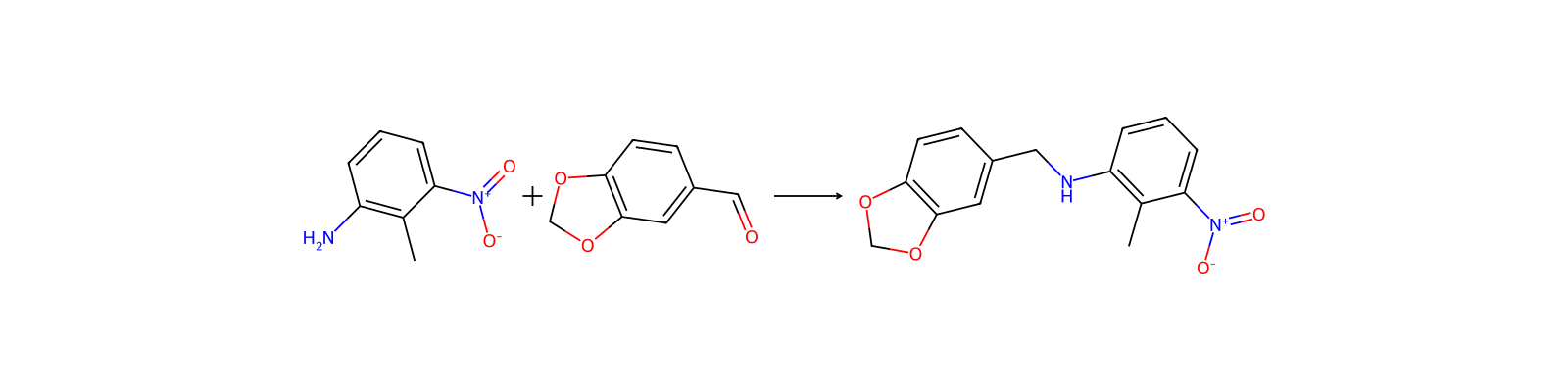
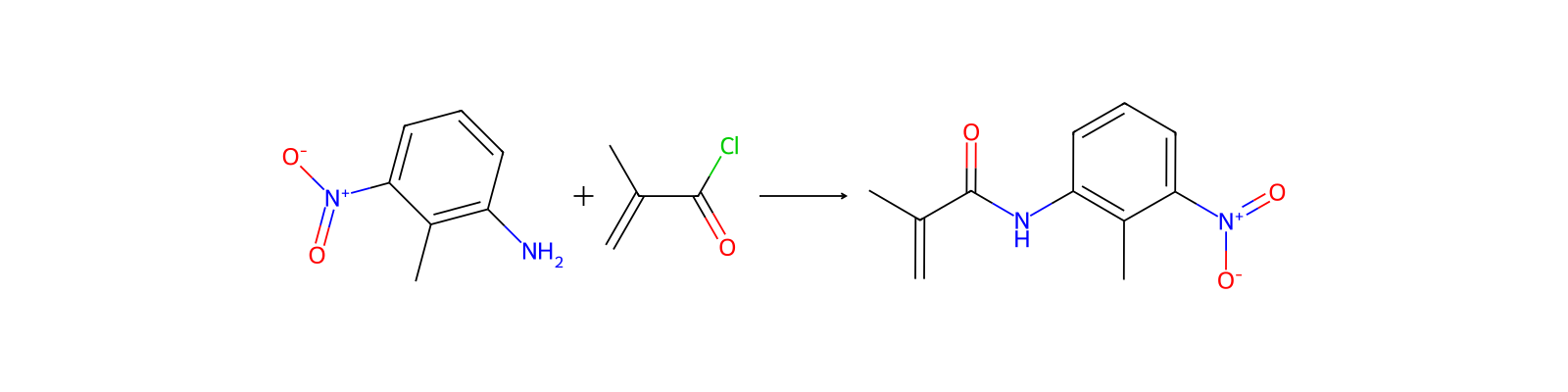
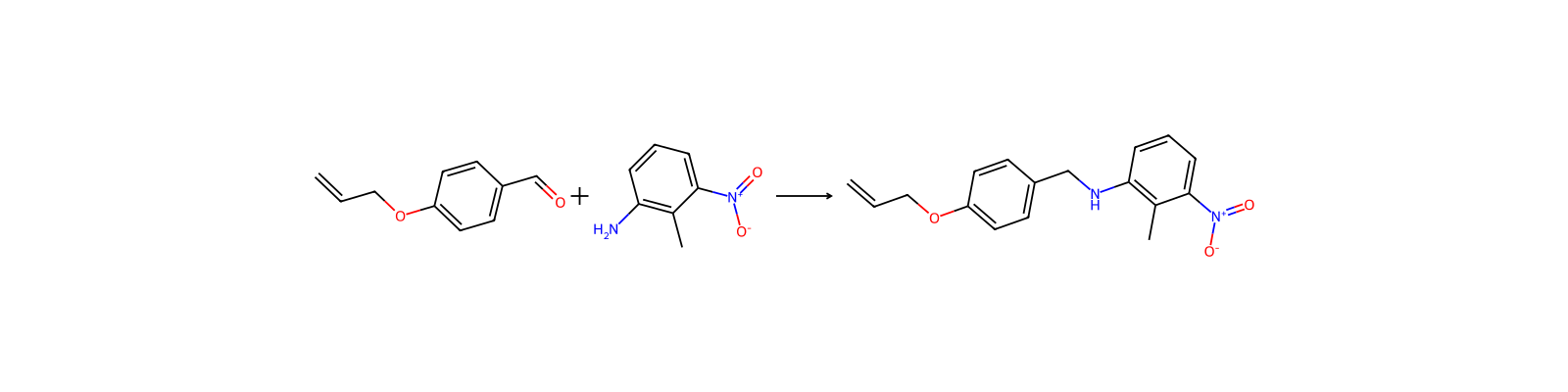
관련 반응
112건



화합물 노트
불러오는 중…