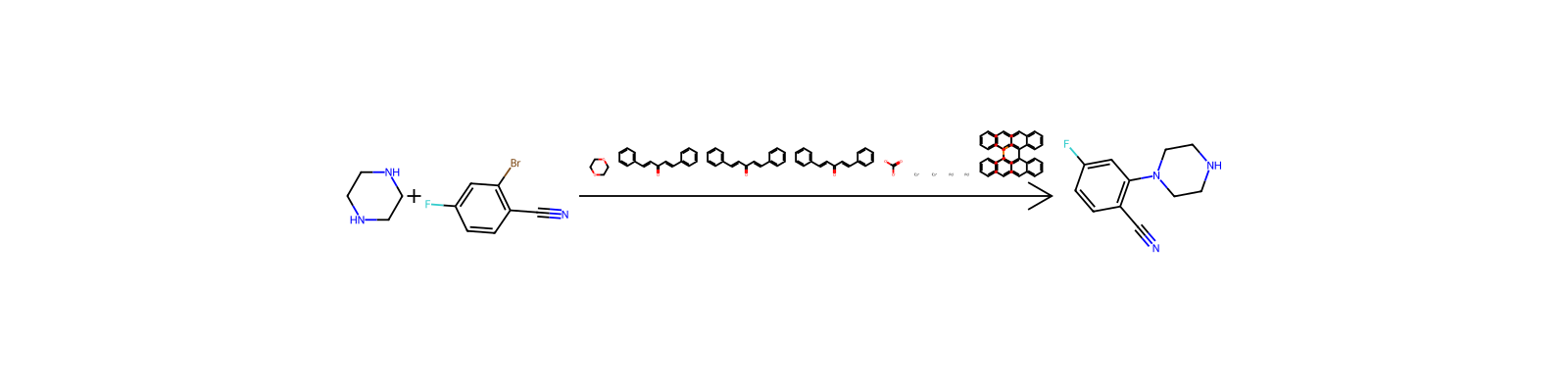
기본 정보
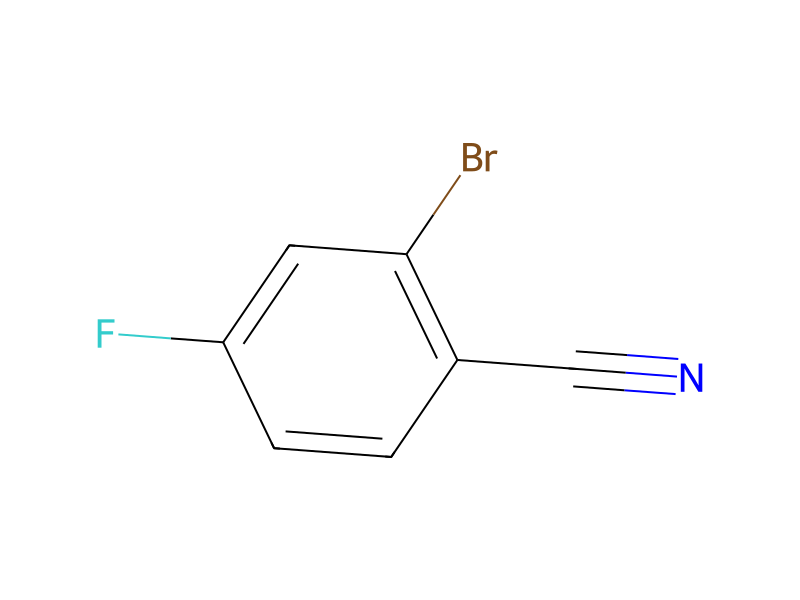
- 표준 SMILES
N#Cc1ccc(F)cc1Br- InChIKey
MNNDREXLRLDWEY-UHFFFAOYSA-N- 분자식
- C7H3BrFN
- 평균 분자량
- 200.01 g/mol
- 단동위원소 질량
- 198.94328942
이름 및 식별자
- 우선 이름
- 2-Bromo-4-fluorobenzonitrile
- IUPAC
- 2-bromo-4-fluorobenzonitrile
- 영어명
- 2-Bromo-4-fluorobenzonitrile
- 분자식
- C7H3BrFN
- 분자량
- 200.01
이름 및 동의어
2-Bromo-4-fluorobenzonitrile36282-26-5EINECS 252-949-7DTXSID40189823RefChem:85727DTXCID00112314252-949-74-fluoro-2-bromobenzonitrile2-bromo-4-fluoro-benzonitrileBenzonitrile, 2-bromo-4-fluoro-MFCD006729242-bromo-4-fluorobenzenecarbonitrile
이름 더 보기
Bromo-4-fluorobenzonitrile2-Bromo-4-fluorobenzonitrile98%2-Bromo-4-fluorobenzonitrile >2-Bromo-4-fluorobenzonitrile 98%
SCHEMBL522042-bromo-4-fluoro benzonitrile2-Bromo-4-fluorobenzonitrile, 97%SBB063649AKOS005255012AB06855AC-4028CS-W010496
데이터베이스 식별자
- CAS
36282-26-5- PubChem CID
- 118939
- DTXSID
DTXSID40189823- EC Number
- 252-949-7
- Nikkaji
- J319.622D
물성
구조 계산 물성
- XLogP
- 2.4
- 극성 표면적
- 23.8 Ų
- 수소 결합 공여자 수
- 0
- 수소 결합 수용자 수
- 2
- 회전 가능 결합 수
- 0
- 무거운 원자 수
- 10
- 형식 전하
- 0
- 복잡도
- 162
물리화학적 성질
- 녹는점
- 77 · 77-78°C
- 끓는 점
- 262.4 · 262.4±25.0 °C(Predicted)
- 밀도
- 1.69 · 1.69±0.1 g/cm3(Predicted)
- 저장 조건
- Sealed in dry,Room Temperature
- 용해도
- 메탄올에 용해됨
- 물리적 상태
- powder to crystal
- 색상
- 흰색에서 회색, 갈색까지
- BRN
- 1940597 · 1940597
- InChI
- InChI=1S/C7H3BrFN/c8-7-3-6(9)2-1-5(7)4-10/h1-3H
- InChIKey
- MNNDREXLRLDWEY-UHFFFAOYSA-N
- SMILES
- C(#N)C1=CC=C(F)C=C1Br
화학적 성질
Off-white to light yellow powder
안전 및 규제
GHS 분류
GHS Classification
Warning
H302 (95.7%): Harmful if swallowed [Warning Acute toxicity, oral]
P261, P264, P264+P265, P270, P271, P280, P301+P317, P302+P352, P304+P340, P305+P351+P338, P317, P319, P321, P330, P332+P317, P337+P317, P362+P364, P403+P233, P405, and P501 (click each P-code to see the statement)
Aggregated GHS information provided per 47 reports by companies from 7 notifications to the ECHA C&L Inventory. Each notification may be associated with multiple companies.
유해성 정보
Hazard Classes and CategoriesAcute Tox. 4 (95.7%)
안전 데이터
- wgk
- 3
- ridadr
- 3439
- HS 번호
- 29269090
- risk_code
- 20/21/22-36/37/38
- hazard_code
- T,Xi,Xn
- safety_code
- 22-36/37/39-36/37-26-9
- 포장분류
- III
- 위험 등급
- 6.1
- 위험 참고 사항
- Toxic
- Hazard Classifications
- Acute Tox. 4 DermalAcute Tox. 4 InhalationAcute Tox. 4 OralEye Irrit. 2Skin Irrit. 2STOT SE 3
- 스토리지 클래스
- 13 - Non Combustible Solids
화학 및 산업
응용 분야
용도2-Bromo-4-fluorobenzonitrile is used as a starting material to prepare 3-benzoyl-4-bromo-2-fluorobenzonitrile via metalation with tmpZnCl·LiCl and subsequent benzoylation[3]. 2-Bromo-4-fluorobenzonitrile serves as a model substrate for photodriven dehalogenation and undergoes light-activated reductive dehalogenation with anion radical materials such as DPBT−• and reduced MOF structures[4].
상·하류 제품 정보
상류 원료
하류 제품
공급사50 곳
北京华美互利生物化工010-56205725 · [email protected]
梯希爱(上海)化成工业发展有限公司021-67121386 · [email protected]
郑州阿尔法化工有限公司+86-18530059196 · [email protected]
湖北永阔科技有限公司027-59223108 15972152991 · [email protected]
上海阿拉丁生化科技股份有限公司400-6206333 13167063860 · [email protected]
南通润丰石油化工有限公司66017690 19952660367 · [email protected]
温州共赢化学有限公司+86-0086-577-64498589 +86-15355981851 · [email protected]
INTATRADE GmbH+49 3493/605464 · [email protected]
Baoji Guokang Healthchem co.,ltd+8615604608665 15604608665 · [email protected]
上海赫文斯化工有限公司15721252604 17321035817 · [email protected]
Dayang Chem (Hangzhou) Co.,Ltd.+86-0571-88938639 17705817739 · [email protected]
科瑞迪化学400-821-5857 021-64326257 · [email protected]
Syntechem Co.,Ltd[email protected]
上海辅欣医药科技有限公司+86-021-021-50872116 · [email protected]
阿法埃莎(中国)化学有限公司400-6106006 · [email protected]
安耐吉化学&3A(安徽泽升科技股份有限公司)400-0056266 · [email protected]
石家庄斯迪亚诺精细化工有限公司0311-89250318 13582355795 · [email protected]
武汉凯威斯科技有限公司86-027-67849912 · [email protected]
Allfluoro Pharmaceutical Company Limited+86-400-0216110 +86-15958047586 · [email protected]
常州安轩化工有限公司13912302692 · [email protected]
上海瀚鸿科技股份有限公司021-54306202 13764082696 · [email protected]
上海相辉医药科技有限公司13761987713 · [email protected]
上海景颜化工科技有限公司13817811078 · [email protected]
嘉兴市艾森化工有限公司0573-85285100 18627885956 · [email protected]
上海攀鸿化工科技有限公司021-56491756 13512199871 · [email protected]
Shanghai Safer Pharmaceutical Technology Co., Ltd.021-31761238 · [email protected]
山东西亚化学有限公司13355009207 13355009207 · [email protected]
玛雅试剂+86 (573) 82222445 (0)18006601000 452520369 · [email protected]
天津希恩思生化科技有限公司400 638 7771 · [email protected]
南京维奥化工有限公司Please Send Email 18652950785 · [email protected]
上海思域化工科技有限公司86-21-34053660 · [email protected]
苏州思变化学技术有限公司0512-65617459 18915409046 · [email protected]
TCI AMERICA800-4238616 · [email protected]
TOKYO CHEMICAL INDUSTRY CO., LTD.03-36680489 · [email protected]
TCI Europe320-37350700 · [email protected]
卡迪亚医药科技有限公司0371-86615086 18203638366 0371-86159066 13526786601
上海贤鼎生物科技有限公司4009209199 · [email protected]
越林试剂021-62960152 · [email protected]
Clearsynth Labs Limited+91-22-26355700 · [email protected]
上海将来实业股份有限公司021-61552785 · [email protected]
安徽科迪达化工有限公司0554-2106669 · [email protected]
上海毕得医药科技股份有限公司400-164-7117 18317119277 · [email protected]
北京奥秘佳得医药科技有限公司+86-13522808617 · [email protected]
成都零六生物科技有限公司400-1166-196 13458535857 · [email protected]
济南泺合医药技术有限公司86-0531-68658065 15726150375 · [email protected]
天津安浩生物科技有限公司[email protected]
杭州杰恒化工有限公司0571-87396432 · [email protected]
上海纳谦化学科技有限公司13598610367 13598610367 · [email protected]
上海嵩爰化工科技有限公司010-1234567 18521000990 · [email protected]
江苏艾康生物医药研发有限公司025-66028182 17714375163 · [email protected]
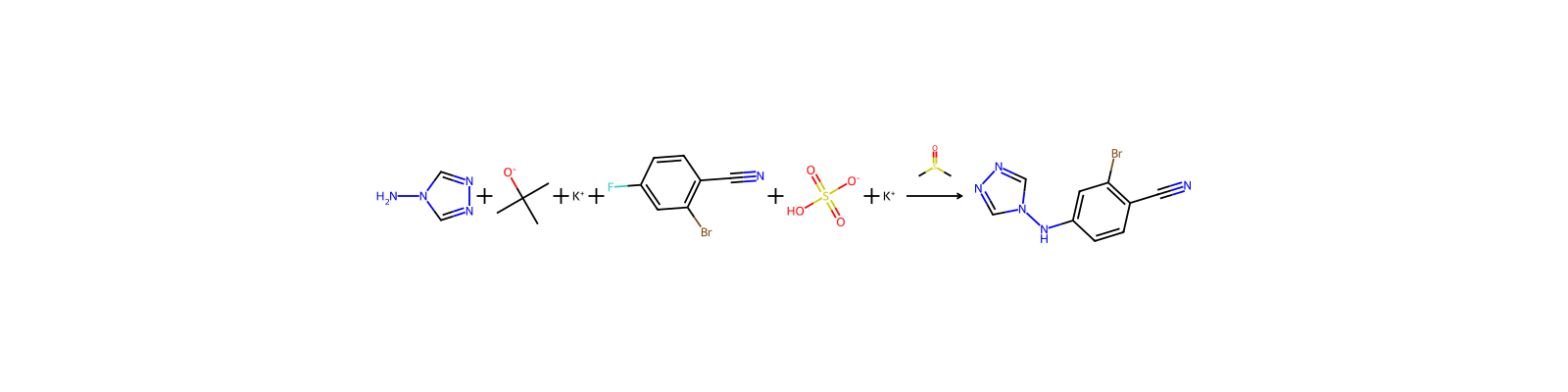
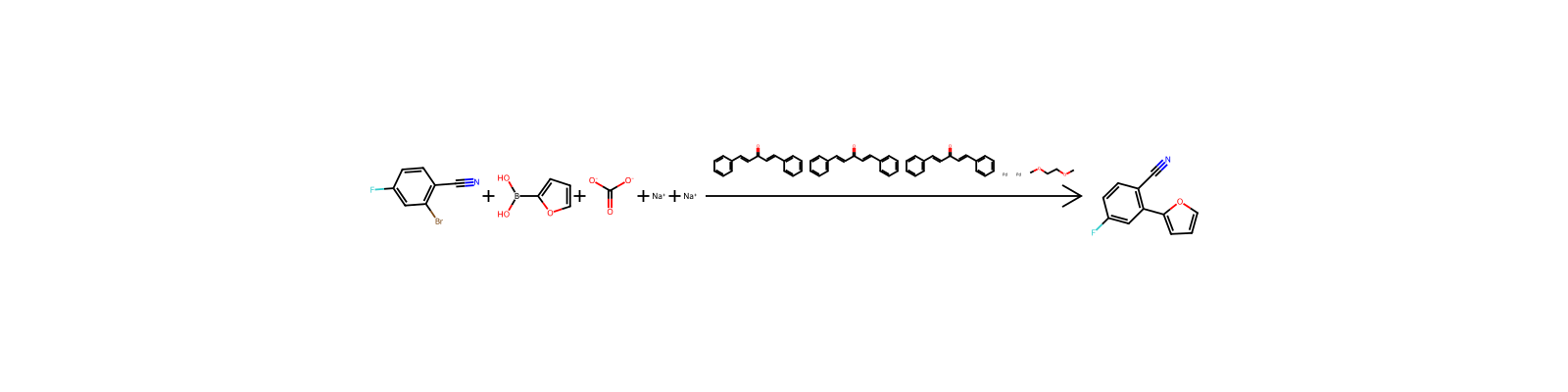
관련 반응
88건


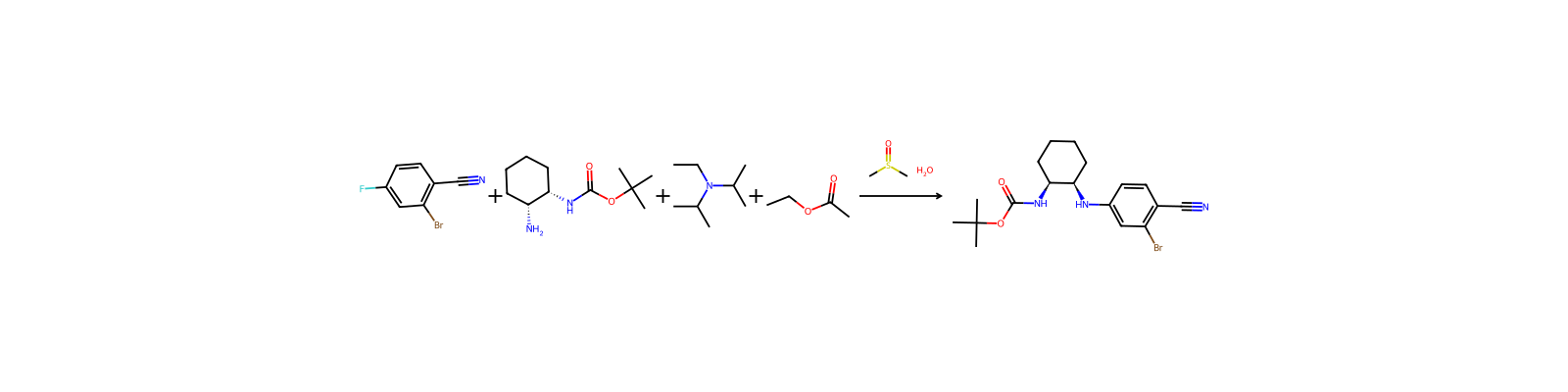

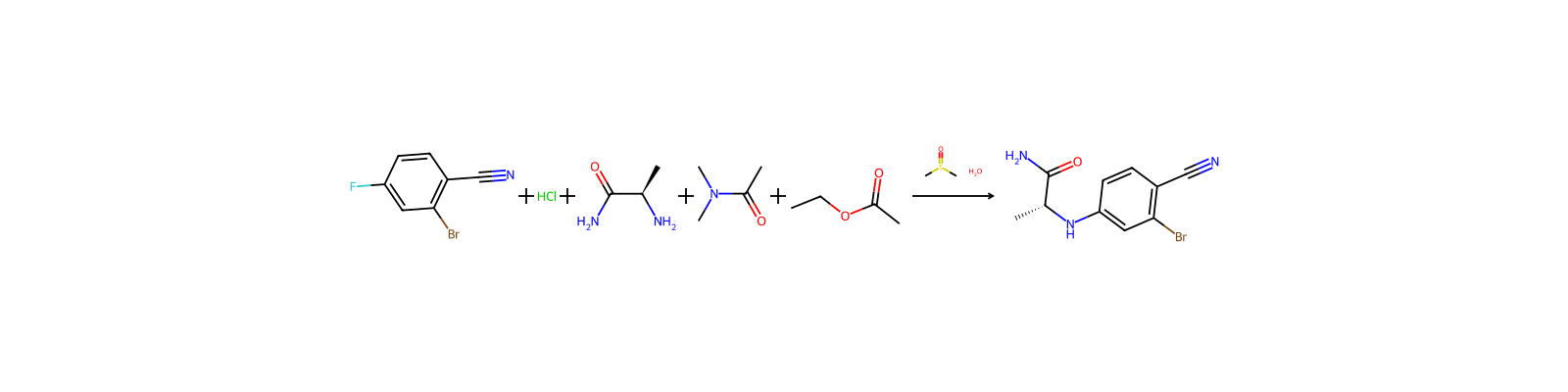
연결된 노트
불러오는 중…