
Diglycolamine
데이터를 보충하는 중입니다. 잠시 후 페이지를 새로 고치면 최신 내용을 볼 수 있습니다
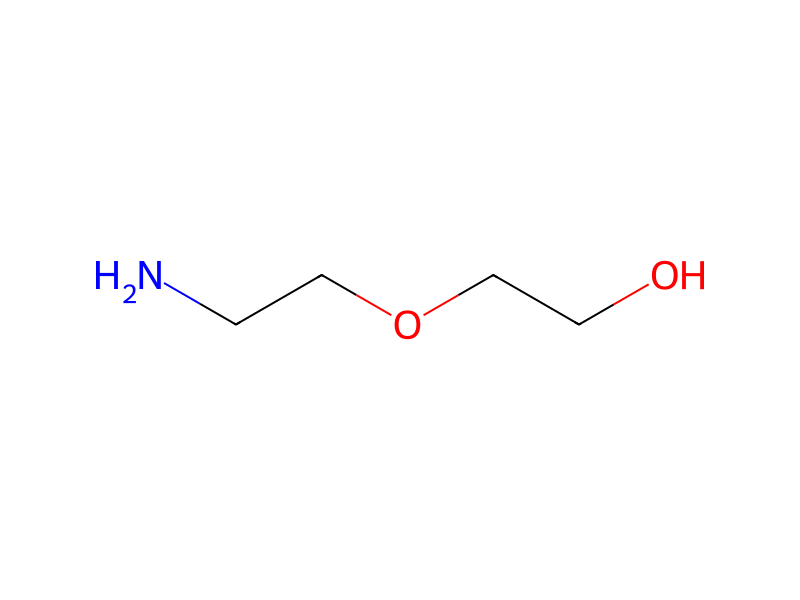
기본 정보
- CAS
929-06-6- 표준 SMILES
NCCOCCO- InChIKey
GIAFURWZWWWBQT-UHFFFAOYSA-N- 분자식
- C4H11NO2
- 평균 분자량
- 105.14 g/mol
- 단동위원소 질량
- 105.07897859
개요
2-(2-aminoethoxy)ethanol appears as a colorless liquid with a faint fishlike odor. Combustible but difficult to ignite. Corrosive to tissue. Combustion produces toxic oxides of nitrogen.
이름 및 식별자
- 우선 이름
- Diglycolamine
- IUPAC
- 2-(2-aminoethoxy)ethanol
- 영어명
- 2-Aminoethoxyethanol
- 분자식
- C4H11NO2
- 분자량
- 105.13564
이름 및 동의어
2-(2-AMINOETHOXY)ETHANOL929-06-6Diglycolamine2-Aminoethoxyethanol2-(2-Hydroxyethoxy)ethylamineDiethylene glycol monoamineEthanol, 2-(2-aminoethoxy)-Diethylene glycol amine1-Amino-2-(2-hydroxyethoxy)ethane5-Hydroxy-3-oxapentylamine2-Amino-2'-hydroxydiethyl etherDiglycolamine agent
이름 더 보기
2-(Hydroxyethoxy)ethylamineDTXSID6027341beta-(beta-Hydroxyethoxy)ethylaminebeta-Hydroxy-beta'-aminoethyl etherbeta-Hydroxy-beta'-aminodiethyl ether6R5Y84T8W9NSC-86108DTXCID907341
데이터베이스 식별자
- CAS
929-06-6- PubChem CID
- 13578
- DTXSID
DTXSID6027341- ChEMBL
CHEMBL3183757- UNII
- 6R5Y84T8W9
- EC Number
- 213-195-4
- Nikkaji
- J7.177C
물성
구조 계산 물성보충 중
- XLogP
- -1.5
- 극성 표면적
- 55.5 Ų
- 수소 결합 공여자 수
- 2
- 수소 결합 수용자 수
- 3
- 회전 가능 결합 수
- 4
- 무거운 원자 수
- 7
- 형식 전하
- 0
- 복잡도
- 32.9
실험 및 물리화학적 성질
Chemical Classes
Nitrogen Compounds -> Other Nitrogen Compounds
Corrosives
OdorMILD AMINE ODOR
Density
1.0572 @ 20 °C/20 °C
1.05 @25 °C
ViscositySLIGHTLY VISCOUS
Color/FormCOLORLESS LIQUID
SolubilityMISCIBLE WITH WATER AND ALCOHOLS
Flash Point
Flash point =126 °C
260 °F (126.6 °C)
Boiling Point
221 °C
220 °C @760 [mm Hg]
Melting Point
FP: -12.5 °C
-16 °C
Vapor Pressure0.05 [mm Hg] @20 °C
Physical Description
2-(2-aminoethoxy)ethanol appears as a colorless liquid with a faint fishlike odor. Combustible but difficult to ignite. Corrosive to tissue. Combustion produces toxic oxides of nitrogen.
안전 및 규제
안전 정보는 참고용이며, 공급업체의 물질안전보건자료(SDS), 관련 법규 및 전문가 평가를 대체하지 않습니다.
GHS 분류
GHS Classification
Danger
H290 (49.3%): May be corrosive to metals [Warning Corrosive to Metals]
P234, P260, P264, P264+P265, P280, P301+P330+P331, P302+P361+P354, P304+P340, P305+P354+P338, P316, P317, P321, P363, P390, P405, P406, and P501 (click each P-code to see the statement)
Aggregated GHS information provided per 897 reports by companies from 13 notifications to the ECHA C&L Inventory. Each notification may be associated with multiple companies.
유해성 정보
Regulatory Information
Chemical: Ethanol, 2-(2-aminoethoxy)-
Ethanol, 2-(2-aminoethoxy)- is listed on the EPA's Chemical Data Reporting (CDR) system. Manufacturers and importers of Ethanol, 2-(2-aminoethoxy)- are required to report information about their production and use of this chemical to the EPA under the Toxic Substances Control Act (TSCA). (40 eCFR Part 711)
Status: Active Update: 14-03-2023 https://echa.europa.eu/registration-dossier/-/registered-dossier/13361
2-(2-Aminoethoxy) ethanol: Does not have an individual approval but may be used under an appropriate group standard
The New Jersey Worker and Community Right to Know Act requires public and private employers to provide information about hazardous substances at their workplaces. (N.J.S.A. 34:5A-1 et. seq.)
DOT LabelCorrosive
Fire Hazards
Excerpt from ERG Guide 154 [Substances - Toxic and/or Corrosive (Non-Combustible)]:
· Non-combustible, substance itself does not burn but may decompose upon heating to produce corrosive and/or toxic fumes.
Health Hazards
Excerpt from ERG Guide 154 [Substances - Toxic and/or Corrosive (Non-Combustible)]:
· TOXIC and/or CORROSIVE; inhalation, ingestion or skin contact with material may cause severe injury or death.
Hazards Summary
화학 및 산업
용도 및 제조
Uses
Used as an emulsifying agent in metalworking fluids;
Metal Machining [Category: Heat or Machine]
REMOVAL OF ACID COMPONENTS FROM GASES, ESPECIALLY CARBON DIOXIDE & HYDROGEN SULFIDE FROM NATURAL GAS; INTERMEDIATE
U.S. Production2023: 8,500,000 - <10,000,000 lb
Consumer UsesNot Known or Reasonably Ascertainable
Industry UsesIntermediate
Household ProductsInformation on 2 consumer products that contain Diglycolamine in the following categories is provided:
General Manufacturing Information
Wholesale and Retail Trade
Ethanol, 2-(2-aminoethoxy)-: ACTIVE
관련 반응
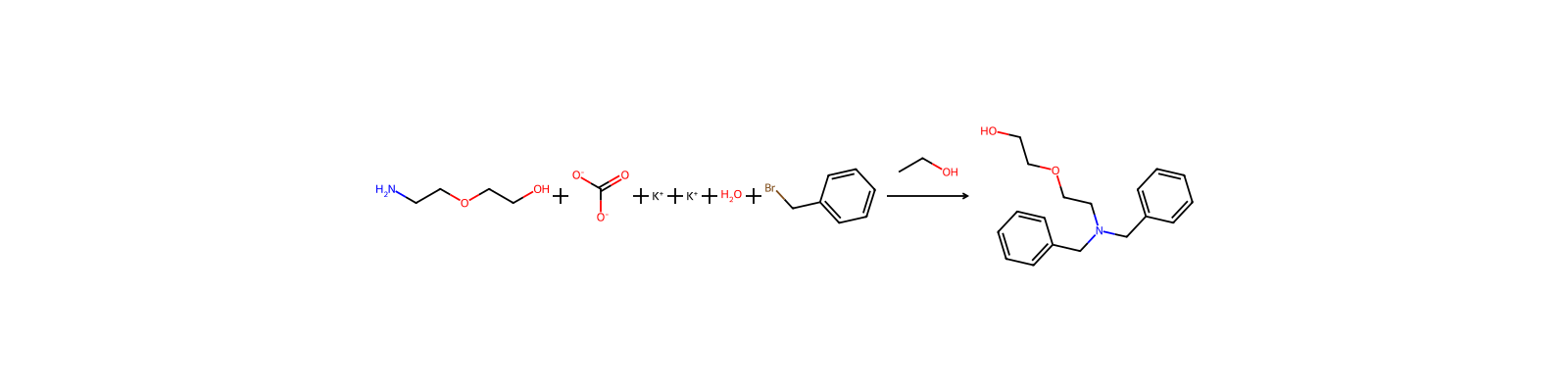
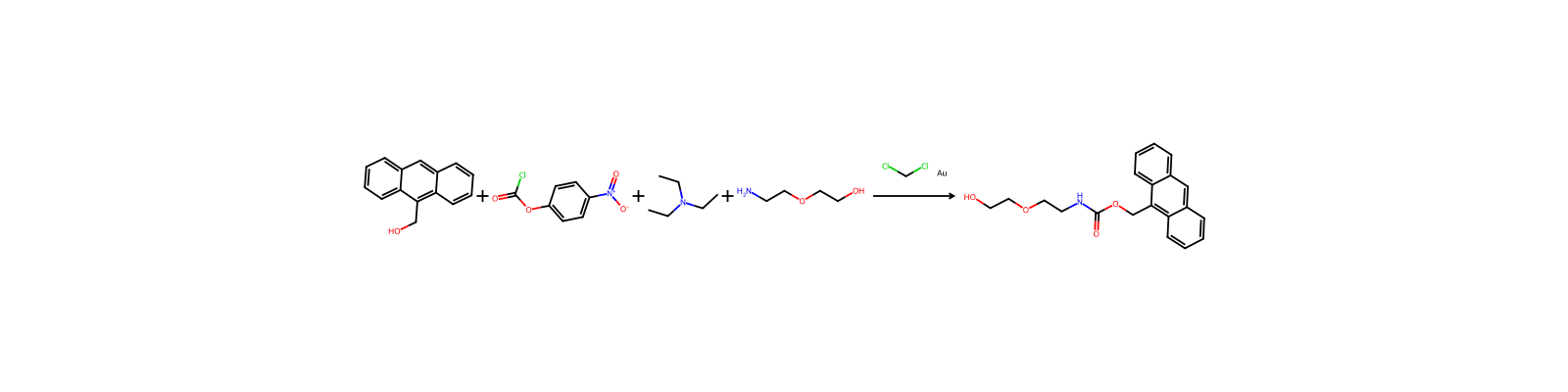
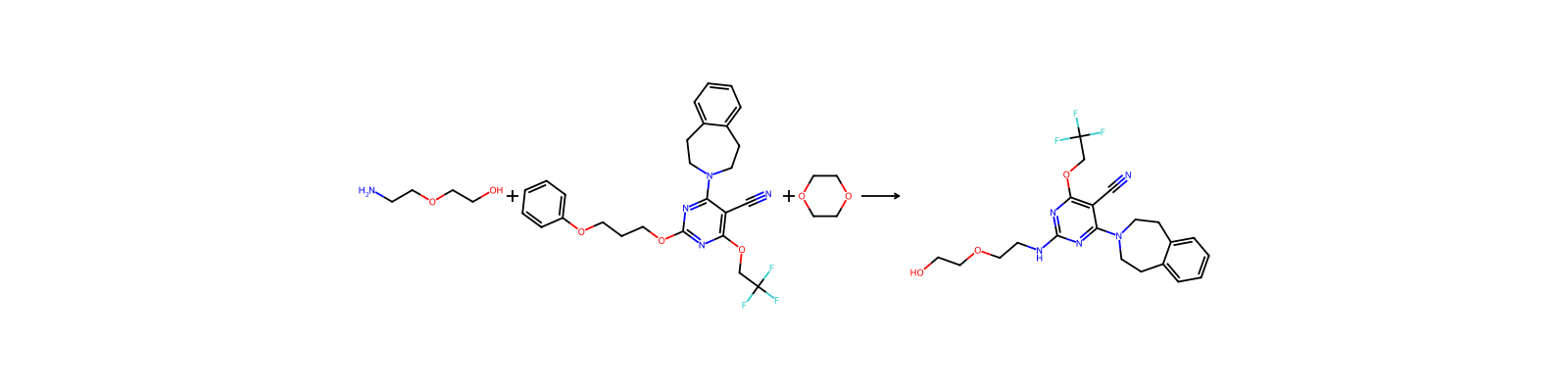
175건




화합물 노트
불러오는 중…