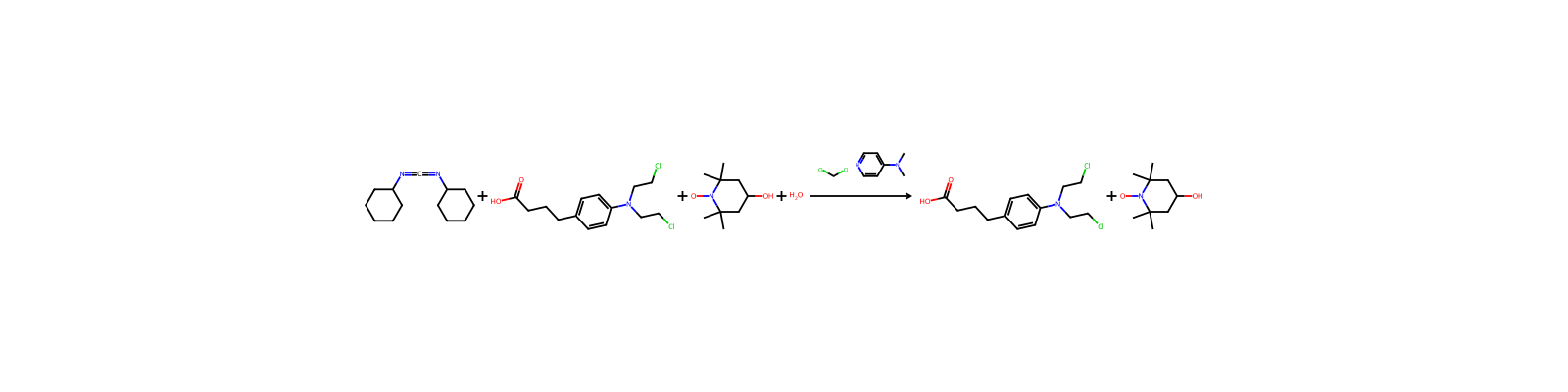

기본 정보
- 표준 SMILES
CC1(C)CC(O)CC(C)(C)N1[O]- InChIKey
UZFMOKQJFYMBGY-UHFFFAOYSA-N- 분자식
- C9H18NO2
- 평균 분자량
- 172.24 g/mol
- 단동위원소 질량
- 172.13375382
개요
4-hydroxy-TEMPO is a member of the class of aminoxyls that is TEMPO carrying a hydroxy substituent at position 4. It is a radical scavenger which exhibits anti-inflammatory and analgesic properties. It has a role as a catalyst, an antineoplastic agent, a radical scavenger, a hepatoprotective agent, a neuroprotective agent, an anti-inflammatory agent, an apoptosis inducer and a nephroprotective agent. It is a member of aminoxyls and a hydroxypiperidine. It is functionally related to a TEMPO.
이름 및 식별자
- 우선 이름
- Tempol
- IUPAC
- (4-Hydroxy-2,2,6,6-tetramethylpiperidin-1-yl)oxidanyl
이름 및 동의어
Tanol4-OxypiperidolTMPNHyTEMPONitroxyl 2DTXSID40412801-Piperidinyloxy, 4-hydroxy-2,2,6,6-tetramethyl-4-Hydroxy-2,2,6,6-tetramethylpiperidine 1-oxylMBM-02U78ZX2F65XSPJ-7012,2,6,6-Tetramethyl-4-hydroxypiperidinooxy
이름 더 보기
2,2,6,6-Tetramethyl-4-piperidinol 1-oxyl2,2,6,6-Tetramethyl-4-piperidinol-N-oxyl4-Hydroxy-2,2,6,6-tetramethylpiperidinooxy4-Hydroxy-2,2,6,6-tetramethylpiperidinooxylZJ-7014-hydroxy-2,2,6,6-tetramethylpiperidine-N-oxylNSC-1427842,2,6,6-Tetramethyl-4-hydroxypiperidinooxy radical
데이터베이스 식별자
- CAS
2226-96-2- PubChem CID
- 137994
- DTXSID
DTXSID4041280- ChEMBL
CHEMBL607023- ChEBI
CHEBI:180664- UNII
- U78ZX2F65X
- EC Number
- 218-760-9
- Nikkaji
- J119.381C
물성
구조 계산 물성
- XLogP
- 0.9
- 극성 표면적
- 24.5 Ų
- 수소 결합 공여자 수
- 1
- 수소 결합 수용자 수
- 2
- 회전 가능 결합 수
- 0
- 무거운 원자 수
- 12
- 형식 전하
- 0
- 복잡도
- 159
실험 및 물리화학적 성질
Chemical ClassesNitrogen Compounds -> Amine Oxides
Color/FormCrystals from ether + Benzene
DecompositionWhen heated to decomposition if emits toxic vapors of /nitrogen oxides/.
Melting Point71.5 °C
Physical Description
CBI; Dry Powder; Other Solid
Solid; [Merck Index]
안전 및 규제
GHS 분류
GHS Classification
This chemical does not meet GHS hazard criteria for 7.8% (29 of 371) of reports.
Danger
H302 (91.1%): Harmful if swallowed [Warning Acute toxicity, oral]
P260, P261, P264, P264+P265, P270, P271, P273, P280, P301+P317, P302+P352, P304+P340, P305+P351+P338, P305+P354+P338, P317, P319, P321, P330, P332+P317, P337+P317, P362+P364, P403+P233, P405, and P501 (click each P-code to see the statement)
Aggregated GHS information provided per 371 reports by companies from 23 notifications to the ECHA C&L Inventory. Each notification may be associated with multiple companies.
유해성 정보
Regulatory Information
Chemical: 1-Piperidinyloxy, 4-hydroxy-2,2,6,6-tetramethyl-
1-Piperidinyloxy, 4-hydroxy-2,2,6,6-tetramethyl- is listed on the EPA's Chemical Data Reporting (CDR) system. Manufacturers and importers of 1-Piperidinyloxy, 4-hydroxy-2,2,6,6-tetramethyl- are required to report information about their production and use of this chemical to the EPA under the Toxic Substances Control Act (TSCA). (40 eCFR Part 711)
Status: Active Update: 24-03-2023 https://echa.europa.eu/registration-dossier/-/registered-dossier/13868
1-Piperidinyloxy, 4-hydroxy-2,2,6,6-tetramethyl-: Does not have an individual approval but may be used under an appropriate group standard
Hazards Summary
Causes lowered blood pressure in acute intravenous toxic-dose studies of rats; Causes convulsions and dyspnea in oral lethal-dose studies of rats; Causes hypoglycemia, changes in pancreas, lowered blood pressure, and lung changes in 2-week oral studies of mice; [RTECS] An irritant; Harmful by ingestion; [Aldrich MSDS]
Hazard Classes and CategoriesAcute Tox. 4 (91.1%)
안전 및 보호
Disposal Methods
SRP: The most favorable course of action is to use an alternative chemical product with less inherent propensity for occupational harm/injury/toxicity or environmental contamination. Recycle any unused portion of the material for its approved use or return it to the manufacturer or supplier. Ultimate disposal of the chemical must consider: the material's impact on air quality; potential migration in soil or water; effects on animal and plant life; and conformance with environmental and public health regulations.
SRP: Criteria for land treatment or burial (sanitary landfill) disposal practices are subject to significant revision. Prior to implementing land disposal of waste residue (including waste sludge), consult with environmental regulatory agencies for guidance on acceptable disposal practices.
독성 정보
Interactions
Carrageenan causes enhanced formation of reactive oxygen species, which contribute to the pathophysiology of inflammation. We have investigated the effects of tempol, a membrane-permeable radical scavenger, in rats subjected to carrageenan-induced pleurisy. Treatment of rats with tempol (10, 30, or 100 mg/kg 15 min prior to carrageenan) attenuated the pleural exudation and the migration of polymorphonuclear cells caused by carrageenan dose dependently. Tempol also attenuated the lung injury (histology) as well as the increase in the tissue levels of myeloperoxidase and malondialdehyde caused by carrageenan in the lung. However, tempol did not inhibit the activity of inducible nitric oxide synthase in the lungs. Immunohistochemical analysis for nitrotyrosine revealed positive staining in lungs from carrageenan-treated rats. Lung tissue sections from carrageenan-treated rats also showed positive staining for poly-(ADP-ribose) synthetase (PARS). The degree of staining for nitrotyrosine and PARS was markedly reduced in tissue sections obtained from carrageenan-treated rats, which had received tempol (100 mg/kg). Furthermore, treatment of rats with tempol significantly reduced (i) the formation of peroxynitrite, (ii) the DNA damage, (iii) the impairment in mitochondrial respiration, and (iv) the fall in the cellular level of NAD(+) observed in macrophages harvested from the pleural cavity of rats treated with carrageenan. Tempol also attenuated the cell injury caused by hydrogen peroxide (1 mM) in cultured human endothelial cells. This study provides the first evidence that tempol, a small molecule which permeates biological membranes and scavenges ROS, attenuates the degree of inflammation and tissue damage associated with carageenan-induced pleurisy in the rat...
Rats develop acute pancreatitis when infused iv for 3 hr with cerulein (10ug/kg/hr). Autopsies of the pancreas seen by light microscope show interstitial edema, acinar cells vacuolization, and leukocyte margination in pancreatic capillaries; under electron microscope, severe damage concerning mitochondrial and zymogen granules structures are apparent. Particularly, swelling of the mitochondria and disruption of mitochondrial cristae was observed as well as formation of large vacuoles arising from zymogen granules and liposome fusion. A significant increase of lipid hydroperoxide level in the pancreatic tissue was observed. The purpose of this study was to evaluate the effect of 4-hydroxy-TEMPO--a low-mol-wt superoxide dismutase mimic--in a rat cerulein model of acute pancreatitis, with the expectation that free radical mediated hydroperoxide formation and tissue damage may be reduced significantly. Twenty-one male Wistar rats were divided into three groups: Group 1 (n = 5) served as a control and was infused iv for 3 hr with physiologic saline; Group 2 (n = 8) was infused i.v. for 3 hr with cerulein 10 micrograms/kg/hr; and Group 3 (n = 8) infused i.v. both with cerulein and 4-hydroxy-TEMPO 22.6 mg/kg/hr. Pancreatic tissue damage was quantified by measuring lipid hydroperoxide (LOOH) level, the weight of the organ, and by light and electron microscopic examination. 4-hydroxy-TEMPO penetration across cellular membrane barriers was quantified by ESR spectrometric measurements of 4-hydroxy-TEMPO concentration in pancreatic tissue samples and pancreatic juice as well. Administering 4-hydroxy-TEMPO to rats resulted in preventing both lipid hydroperoxide formation and severe morphological damage. 4-hydroxy-TEMPO crossed cellular membrane barriers and was excreted to pancreatic juice. Infusion of 4-hydroxy-TEMPO appears to prevent pancreatic injury caused by free radicals in experimental cerulein pancreatitis.
Hemorrhagic shock (HS) is associated with the generation of reactive oxygen species, which may contribute to delayed multiple organ system failure and death. Previous studies have shown that the antioxidant Tempol improved physiologic variables, although not necessarily outcome, in septic shock and HS. We hypothesized that the combination of free Tempol with polynitroxylated albumin (PNA)-bound Tempol (which prolongs half-life and decreases toxicity) improves outcome after HS in rats. In study 1, HS was induced by blood withdrawal of 3 mL/100 g over 15 minutes. Mean arterial pressure was maintained at 40 mm Hg with either infusion of normal saline or withdrawal of blood from 20 to 90 minutes. Resuscitation (90-270 minutes) was with infusion of shed blood. Observation was to 72 hours. At HS 45 min, albumin (ALB) (n = 10) or PNA + Tempol (n = 10) was infused slowly (1 mL/100 g/h) until 120 minutes. Study 2 was the same as study 1 (n = 6 per group), but terminated at 150 minutes. Study 3 was the same as study 1, but started with ALB or PNA + Tempol (n = 7 per group) at 20 minutes. The primary outcome variable in studies 1 and 3 was survival, whereas the primary outcome variables in study 2 were antioxidant reserve (ability of the serum or tissue homogenate to scavenge peroxyl radicals produced by 2,2'-azobis [2-aminodipropane]-dihydrochloride) in serum and small intestine, and low-molecular-weight thiols in tissues (liver, small intestine, and kidney). In study 1, 72-hour survival was 1 of 10 (ALB group) versus 2 of 10 (PNA + Tempol group). At 90 minutes, pH was lower in the ALB group versus the PNA + Tempol group (p = 0.02) and remained low. Arterial lactate increased to 8.9 +/- 3.2 (mean +/- SD) versus 6.5 +/- 1.8 mmol/L (p = 0.04) and base excess was -9.6 +/- 4.3 versus -5.2 +/- 3.2 mmol/L (p = 0.01) (ALB vs. PNA + Tempol groups, respectively). In study 2, antioxidant reserve in serum was lower in the ALB group versus the PNA + Tempol group (p = 0.002). There were no differences between groups in antioxidant reserve in the small intestine or low-molecular-weight thiols in liver, kidney, and small intestine. In study 3, 72-hour survival was zero of seven (ALB group) versus five of seven (PNA + Tempol group) (p = 0.02). Heart rate and systolic blood pressure during late HS were higher in the ALB group in studies 1 and 3 (p < 0.05). When infused early in HS, PNA + Tempol can increase survival. When given late, it significantly improves acid-base and serum antioxidant status, without an effect on survival...
Environmental Fate
TERRESTRIAL FATE: Based on a classification scheme(1), an estimated Koc value of 40(SRC), determined from a structure estimation method(2), indicates that 1-piperidinyl, 4-hydroxy-2,2,6,6-tetramethyl- is expected to have very high mobility in soil(SRC). Volatilization of 1-piperidinyl, 4-hydroxy-2,2,6,6-tetramethyl- from moist soil surfaces is not expected to be an important fate process(SRC) given an estimated Henry's Law constant of 3.0X10⁻¹⁵ atm-cu m/mole(SRC), using a fragment constant estimation method(3). 1-Piperidinyl, 4-hydroxy-2,2,6,6-tetramethyl- is not expected to volatilize from dry soil surfaces(SRC) based upon an estimated vapor pressure of 1.0X10⁻⁷ mm Hg at 25 °C(SRC), determined from a fragment constant method(4). Biodegradation data in soil were not available(SRC, 2012).
AQUATIC FATE: Based on a classification scheme(1), an estimated Koc value of 40(SRC), determined from a structure estimation method(2), indicates that 1-piperidinyl, 4-hydroxy-2,2,6,6-tetramethyl- is not expected to adsorb to suspended solids and sediment(SRC). Volatilization from water surfaces is not expected(3) based upon an estimated Henry's Law constant of 3.0X10⁻¹⁵ atm-cu m/mole(SRC), developed using a fragment constant estimation method(4). According to a classification scheme(5), an estimated BCF of 3(SRC), from an estimated log Kow of 0.55(6) and a regression-derived equation(7), suggests the potential for bioconcentration in aquatic organisms is low(SRC). Biodegradation data in water were not available(SRC, 2012).
ATMOSPHERIC FATE: According to a model of gas/particle partitioning of semivolatile organic compounds in the atmosphere(1), 1-piperidinyl, 4-hydroxy-2,2,6,6-tetramethyl-, which has an estimated vapor pressure of 1.0X10⁻⁷ mm Hg at 25 °C(SRC), determined from a fragment constant method(2), will exist in both the vapor and particulate phases in the ambient atmosphere. Vapor-phase 1-piperidinyl, 4-hydroxy-2,2,6,6-tetramethyl- is degraded in the atmosphere by reaction with photochemically-produced hydroxyl radicals(SRC); the half-life for this reaction in air is estimated to be 9 hours(SRC), calculated from its rate constant of 1.4X10⁻¹¹ cu cm/molecule-sec at 25 °C(SRC) that was derived using a structure estimation method(3). Particulate-phase 1-piperidinyl, 4-hydroxy-2,2,6,6-tetramethyl- may be removed from the air by wet or dry deposition(SRC). 1-Piperidinyl, 4-hydroxy-2,2,6,6-tetramethyl- absorbs at wavelengths >290 nm(4), and therefore may be susceptible to direct photolysis by sunlight(SRC).
Soil Adsorption/Mobility
Using a structure estimation method based on molecular connectivity indices(1), the Koc of 1-piperidinyl, 4-hydroxy-2,2,6,6-tetramethyl- can be estimated to be 40(SRC). According to a classification scheme(2), this estimated Koc value suggests that 1-piperidinyl, 4-hydroxy-2,2,6,6-tetramethyl- is expected to have very high mobility in soil.
Artificial Pollution Sources1-Piperidinyl, 4-hydroxy-2,2,6,6-tetramethyl-'s production and use as a research chemical(1) may result in its release to the environment through various waste streams(SRC).
Environmental Bioconcentration
An estimated BCF of 3 was calculated in fish for 1-piperidinyl, 4-hydroxy-2,2,6,6-tetramethyl-(SRC), using an estimated/ log Kow of 0.55(1) and a regression-derived equation(2). According to a classification scheme(3), this BCF suggests the potential for bioconcentration in aquatic organisms is low(SRC).
Volatilization from Water/Soil
The Henry's Law constant for 1-piperidinyl, 4-hydroxy-2,2,6,6-tetramethyl- is estimated as 3.0X10⁻¹⁵ atm-cu m/mole(SRC) using a fragment constant estimation method(1). This Henry's Law constant indicates that 1-piperidinyl, 4-hydroxy-2,2,6,6-tetramethyl- is expected to be essentially nonvolatile from water and moist soil surfaces(2). 1-Piperidinyl, 4-hydroxy-2,2,6,6-tetramethyl- is not expected to volatilize from dry soil surfaces(SRC) based upon an estimated vapor pressure of 1.0X10⁻⁷ mm Hg(SRC), determined from a fragment constant method(3).
Non-Human Toxicity Excerpts
/LABORATORY ANIMALS: Acute Exposure/ Reactive oxygen species play critical roles in a number of physiologic and pathologic processes. Nitroxides are stable free radical compounds that possess superoxide dismutase (SOD) mimetic activity and have been shown to protect against the toxicity of reactive oxygen species in vitro and in vivo. Tempol, a cell-permeable hydrophilic nitroxide, protects against oxidative stress and also is an in vitro and in vivo radioprotector. In the course of evaluating the pharmacology and toxicity of the nitroxides, Tempol and another nitroxide, 3-carbamoyl-PROXYL (3-CP), were administered intravenously in various concentrations to miniature swine. Tempol caused dose-related hypotension accompanied by reflex tachycardia and increased skin temperature. Invasive hemodynamic monitoring with Swan Ganz catheterization (SGC) confirmed the potent vasodilative effect of Tempol. However, 3-CP had no effect on porcine blood pressure. The hemodynamic effects of Tempol and 3-CP are discussed in the context of differential catalytic rate constants for superoxide disumation that may impact systemic nitric oxide (NO) levels and lead to vasodilation. These findings are consistent with a role for the superoxide ion in the modulation of blood pressure and have potential implications for the systemic use of nitroxides.
/LABORATORY ANIMALS: Subchronic or Prechronic Exposure/ Nitroxides are stable free radical compounds that protect against the toxicity of reactive oxygen species in vitro and in vivo. Tempol is a cell-permeable hydrophilic nitroxide and has been shown to be an in vitro and in vivo radioprotector. The limitations of Tempol as a systemic radioprotector are that it causes substantial reductions in arterial blood pressure when administered intravenously and is associated with seizure activity. Furthermore, Tempol is rapidly reduced to its hydroxylamine form, Tempol-H, which limits the period of time the active form of the nitroxide is available for radioprotection. Based on initial pharmacological and blood pressure experiments performed in mice, we hypothesized that the systemic administration of Tempol-H in vivo would lead to an equilibration between Tempol and Tempol-H that would limit the toxicity of the nitroxide and provide in vivo radioprotection. Tempol-H was administered in increasing doses via an intraperitoneal route to C3H mice. The maximally tolerated dose was found to be 325 mg/kg. The whole-blood pharmacology of Tempol-H was investigated with electron paramagnetic resonance spectroscopy. These studies demonstrated the appearance of Tempol in whole blood immediately after intraperitoneal injection, suggesting that rapid oxidation of Tempol-H to Tempol takes place in vivo. Although the peak concentration of Tempol in whole blood after administration of Tempol-H did not reach the same levels as those observed when Tempol is administered, the whole-blood levels of Tempol were similar by 10 min after injection. Tempol-H provided protection against the lethality of whole-body radiation in C3H mice at 30 days with a dose modification factor of 1.3, which is similar to the results obtained with Tempol. Hemodynamic measurements in C3H mice after intravenous injection showed that Tempol-H produced little effect on blood pressure or pulse compared with Tempol. Tempol-H is a systemic in vivo radioprotector of C3H mice and is associated with less hemodynamic toxicity than Tempol. /Tempol-H/
/LABORATORY ANIMALS: Neurotoxicity/ Nitroxides are antioxidant compounds that have been shown to provide radioprotection in vivo and in vitro. Radioprotection in vivo is limited by toxicity, which appears to be neurologic in nature. To further evaluate the toxicity of these compounds, three representative nitroxides, Tempol, Tempamine, and Tempo, were examined in slices of guinea pig hippocampus. Each nitroxide increased the population spike and caused potentiation of excitatory postsynaptic potential--spike coupling. Repetitive activity and epileptiform activity were observed at the highest concentrations of Tempo and Tempamine. Tempol was the least toxic compound in this system, followed by Tempamine and Tempo...
/GENOTOXICITY/ The literature on the toxicity of aminoxyl radicals was critically reviewed. It was concluded that, in general, the aminoxyl radicals possess a very low toxicity and are not mutagenic. In support of this contention, several aminoxyl radicals were evaluated in vitro. Thus, aminoxyl radicals 3-carboxy-2,2,5,5-tetramethylpyrroline-1-oxyl (1), 3-carboxy-2,2,5,5-tetramethylpyrrolidine-1-oxyl (PCA; 2), 4-hydroxy-2,2,6,6-tetramethylpiperidine-1-oxyl (Tempol;3), and N-(1-hydroxymethyl-2,3-dihydroxypropyl)-3-carboxyamino-2,2,5,5- tetramethylpyrrolidine-1-oxyl (NAT; 4) were evaluated using Salmonella typhimurium tester strains TA 102 and TA 104, with a supplement of xanthine oxidase enzyme. 1, 2, and 4 were found to be nonmutagenic, while 3 elicited in TA 104 only about a twofold increase in the number of revertants above the control. This response is considered to be, at best, marginal in view of wide fluctuations of experimental scores. The results of the present study are in agreement with those of other studies confirming the nonmutagenicity of aminoxyl radicals investigated to date. However, these conclusions are different from those of a study where 3 was tested in the presence of a generated toxic oxygen species that can cause mutagenic changes of the environment.
/OTHER TOXICITY INFORMATION/ Nitroxide compounds are stable free radicals which were previously investigated as hypoxic cell radiosensitizers. The stable nitroxide 4-hydroxy-2,2,6,6-tetramethylpiperidine-N-oxyl (Tempol) has recently been shown to protect aerated cells in culture against superoxide generated from hypoxanthine/xanthine oxidase, hydrogen peroxide, and radiation-induced cytotoxicity and to modestly sensitive hypoxic cultured cells. To extend these observations from the cellular level to the whole animal, the toxicity, pharmacology, and in vivo radioprotective effects of Tempol were studied in C3H mice. The maximum tolerated dose of Tempol administered i.p. was found to be 275 mg/kg, which resulted in maximal Tempol levels in whole blood 5-10 min after injection. Mice were exposed to whole-body radiation in the absence or presence of injected Tempol (275 mg/kg) 5-10 min after administration. Tempol treatment provided significant radioprotection (P less than 0.0001); the dose of radiation at which 50% of Tempol-treated mice die at 30 days was 9.97 Gy, versus 7.84 Gy for control mice. Tempol represents a new class of in vivo, non-sulfur-containing radiation protectors...
Environmental Abiotic Degradation
The rate constant for the vapor-phase reaction of 1-piperidinyl, 4-hydroxy-2,2,6,6-tetramethyl- with photochemically-produced hydroxyl radicals has been estimated as 1.4X10⁻¹¹ cu cm/molecule-sec at 25 °C(SRC) using a structure estimation method(1). This corresponds to an atmospheric half-life of about 9 hours at an atmospheric concentration of 5X10+5 hydroxyl radicals per cu cm(1). 1-Piperidinyl, 4-hydroxy-2,2,6,6-tetramethyl- is not expected to undergo hydrolysis in the environment due to the lack of functional groups that hydrolyze under environmental conditions(2). 1-Piperidinyl, 4-hydroxy-2,2,6,6-tetramethyl- absorbs light at wavelengths >290 nm(3), and therefore may be susceptible to direct photolysis by sunlight(SRC).
Probable Routes of Human Exposure
According to the 2006 TSCA Inventory Update Reporting data, the number of persons reasonably likely to be exposed in the industrial manufacturing, processing, and use of 1-piperidinyloxy, 4-hydroxy-2,2,6,6-tetramethyl is 100 to 999; the data may be greatly underestimated(1).
Occupational exposure to 1-piperidinyl, 4-hydroxy-2,2,6,6-tetramethyl- may occur through inhalation and dermal contact with this compound at workplaces where 1-piperidinyl, 4-hydroxy-2,2,6,6-tetramethyl- is produced or used. (SRC)
Environmental Fate/Exposure Summary
1-Piperidinyl, 4-hydroxy-2,2,6,6-tetramethyl-'s production and use as a research chemical may result in its release to the environment through various waste streams. If released to air, an estimated vapor pressure of 1.0X10⁻⁷ mm Hg at 25 °C indicates 1-piperidinyl, 4-hydroxy-2,2,6,6-tetramethyl- will exist in both the vapor and particulate phases in the atmosphere. Vapor-phase 1-piperidinyl, 4-hydroxy-2,2,6,6-tetramethyl- will be degraded in the atmosphere by reaction with photochemically-produced hydroxyl radicals; the half-life for this reaction in air is estimated to be 9 hours. Particulate-phase 1-piperidinyl, 4-hydroxy-2,2,6,6-tetramethyl- will be removed from the atmosphere by wet or dry deposition. 1-Piperidinyl, 4-hydroxy-2,2,6,6-tetramethyl- absorbs light at wavelengths >290 nm, and therefore may be susceptible to direct photolysis by sunlight. If released to soil, 1-piperidinyl, 4-hydroxy-2,2,6,6-tetramethyl- is expected to have very high mobility based upon an estimated Koc of 40. Volatilization from moist soil surfaces is not expected to be an important fate process based upon an estimated Henry's Law constant of 3.0X10⁻¹⁵ atm-cu m/mole. Biodegradation data in soil or water were not available. If released into water, 1-piperidinyl, 4-hydroxy-2,2,6,6-tetramethyl- is not expected to adsorb to suspended solids and sediment based upon the estimated Koc. Volatilization from water surfaces is not expected to be an important fate process based upon this compound's estimated Henry's Law constant. An estimated BCF of 3 suggests the potential for bioconcentration in aquatic organisms is low. Hydrolysis is not expected to be an important environmental fate process since this compound lacks functional groups that hydrolyze under environmental conditions (pH 5 to 9). Occupational exposure to 1-piperidinyl, 4-hydroxy-2,2,6,6-tetramethyl- may occur through inhalation and dermal contact with this compound at workplaces where 1-piperidinyl, 4-hydroxy-2,2,6,6-tetramethyl- is produced or used. (SRC)
Antidote and Emergency Treatment
/SRP:/ Immediate first aid: Ensure that adequate decontamination has been carried out. If patient is not breathing, start artificial respiration, preferably with a demand valve resuscitator, bag-valve-mask device, or pocket mask, as trained. Perform CPR if necessary. Immediately flush contaminated eyes with gently flowing water. Do not induce vomiting. If vomiting occurs, lean patient forward or place on the left side (head-down position, if possible) to maintain an open airway and prevent aspiration. Keep patient quiet and maintain normal body temperature. Obtain medical attention. /Poisons A and B/
/SRP:/ Basic treatment: Establish a patent airway (oropharyngeal or nasopharyngeal airway, if needed). Suction if necessary. Watch for signs of respiratory insufficiency and assist ventilations if needed. Administer oxygen by nonrebreather mask at 10 to 15 L/min. Monitor for pulmonary edema and treat if necessary ... . Monitor for shock and treat if necessary ... . Anticipate seizures and treat if necessary ... . For eye contamination, flush eyes immediately with water. Irrigate each eye continuously with 0.9% saline (NS) during transport ... . Do not use emetics. For ingestion, rinse mouth and administer 5 mL/kg up to 200 mL of water for dilution if the patient can swallow, has a strong gag reflex, and does not drool ... . Cover skin burns with dry sterile dressings after decontamination ... . /Poisons A and B/
/SRP:/ Advanced treatment: Consider orotracheal or nasotracheal intubation for airway control in the patient who is unconscious, has severe pulmonary edema, or is in severe respiratory distress. Positive-pressure ventilation techniques with a bag valve mask device may be beneficial. Consider drug therapy for pulmonary edema ... . Consider administering a beta agonist such as albuterol for severe bronchospasm ... . Monitor cardiac rhythm and treat arrhythmias as necessary ... . Start IV administration of D5W /SRP: "To keep open", minimal flow rate/. Use 0.9% saline (NS) or lactated Ringer's if signs of hypovolemia are present. For hypotension with signs of hypovolemia, administer fluid cautiously. Watch for signs of fluid overload ... . Treat seizures with diazepam or lorazepam ... . Use proparacaine hydrochloride to assist eye irrigation ... . /Poisons A and B/
화학 및 산업
약리 정보
Mechanism of Action
The antiproliferative effect of Tempol, a stable nitroxide free radical, was investigated on the p53-negative human leukemia cell line HL60. A concentration- and time-dependent inhibition of cell growth was observed that appears to be due to induction of apoptosis. Involvement of oxidative stress is indicated by a concentration-dependent increase in intracellular peroxides and a parallel decrease in total cellular glutathione; in addition, increased survival rates were observed in cells simultaneously treated with Tempol and the antioxidant N-acetylcysteine. Tempol did not affect the relative levels of Bax and Bcl2, whereas p21(WAF1/CIP1) was enhanced in a concentration- and time-dependent fashion; this effect was partially inhibited by N-acetylcysteine, was maintained for up to 8 hr after Tempol removal, and seemed to depend on continuing protein synthesis. The increase in p21(WAF1/CIP1) was accompanied by a parallel accumulation of cells in the G(1) phase of the cycle and by a decrease in the 110 kDa form of pRb. Our results suggest that p53-independent induction of p21(WAF1/CIP1) mediates the antiproliferative effect of Tempol; on the basis of this observation, the nitroxide could be proposed as an useful adjunct to the treatment of p53-deficient tumors, which are often refractory to standard chemotherapy.
A variety of mechanisms has been suggested for cocaine toxicity, including the possibility that cocaine induces an increase in oxidative stress (OS) due to excessive oxidation of dopamine (e.g. dopamine quinine), or by redox cycling of cocaine oxidized metabolites. However, the association between oxidative status in the brain and cocaine induced-behavior is poorly understood. Therefore, we examined the ability of the unique antioxidant tempol to attenuate cocaine-induced oxidative damage and behavioral response. Acute cocaine treatment significantly elevated OS markers in prefrontal cortex (PFC) and nucleus accumbens (NAc) in rats, both in slices and following a single cocaine injection, which corresponded with a decrease in total antioxidant capacity (TAC). Tempol, at the optimal concentration we determined that was needed to observe an antioxidant non-toxic effect in vitro (1 mM) and in vivo (200 mg/kg), completely abolished the elevation of OS markers and prevented the reduction in TAC in these areas. Importantly, tempol injections, at a dose that does not affect the basal levels of locomotor activity, attenuated both the development and expression of cocaine-induced locomotor sensitization. Finally, in cocaine-sensitized animals, tempol prevented the elevation of OS markers in both PFC and NAc. Our findings suggest that oxidation of specific sites in the brain reward system by cocaine is accompanied with behavioral changes. Tempol has a neuro-protective effect against cocaine toxicity in these regions, and it may be beneficial in the treatment of cocaine addiction.
TEMPOL (4-hydroxy-2,2,6,6-tetramethylpiperidine-N-oxyl) is a stable nitroxyl antioxidant. Previous studies have suggested that TEMPOL is protective in acute disorders thought to involve reactive oxygen species (ROS), such as ischemic stroke and cardiac reperfusion injury. Oxidized TEMPOL can be recycled to its redox-active reducing form by co-administration with polynitroxylated albumin, making it a candidate as a pharmacological "reservoir" for reducing potential of use in chronic disorders involving ROS. The present studies examine the efficacy of TEMPOL in cell culture and animal models of the central and peripheral dysfunction associated with Parkinson's disease, a disorder in the pathogenesis of which ROS generated from dopamine have been implicated. Antioxidants have been proposed as both preventive and symptomatic therapy for Parkinson's disease. TEMPOL protects MN9D dopaminergic mesencephalic cells in culture from 6-hydroxydopamine (6-OHDA)-induced apoptosis. Translocation of the p65 component of NF-kappaB to the nucleus accompanies protection by TEMPOL. In vivo, intraperitoneal TEMPOL protects mice from intrastriatal 6-OHDA-induced cell and dopamine metabolite loss in the striatum. TEMPOL also protects mice against the 6-OHDA-induced rotational behavior elicited by intrastriatal administration of d-amphetamine. In addition, TEMPOL protects mice from the ptosis, activity level decrement, and mortality induced by intraperitoneal administration of 6-OHDA, a model of autonomic dysfunction in Parkinson's disease. Adjunctive use of polynitroxylated albumin enhances the in vitro and in vivo effects of TEMPOL.
Reactive oxygen species (ROS) generated from dopamine and its oxidation products have been implicated in the pathogenesis and toxicity from treatment of Parkinson's disease-associated autonomic neuropathy, and antioxidant therapies have been proposed as treatment and prophylaxis for this disorder. However, many antioxidants are rapidly and, under physiological conditions, irreversibly oxidized, rendering them redox-inactive. We have examined the potential of 4-hydroxy-2,2,6,6-tetramethylpiperidine-1-oxyl and polynitroxylated albumin (TEMPOL/PNA), an antioxidant complex that facilitates recycling of inactivated antioxidant to its redox-active form, as a protective agent against the toxicity of the catecholaminergic ROS generator, 6-hydroxydopamine (6-OHDA). TEMPOL/PNA is more effective against depression of activity level by 6-OHDA than the non-recycling antioxidant, TEMPOL, in a murine model of catecholaminergic oxidative damage. TEMPOL/PNA is also less toxic than TEMPOL in mice, allowing administration of higher doses of antioxidant. Both TEMPOL and TEMPOL/PNA give rise to prevention of apoptosis and to translocation of NF-kappaB from the cytoplasm to the nucleus of PC12 cells treated with 6-OHDA, but in vivo, TEMPOL/PNA maintains redox-active blood levels of TEMPOL for almost 5 hr, whereas administration of TEMPOL alone results in clearance of blood redox activity within 1 hr. PNA enhances the therapeutic index of TEMPOL, and the recycling antioxidant that results from their adjunctive administration may prove useful in disorders involving oxidative stress.
For more Mechanism of Action (Complete) data for 1-Piperidinyloxy, 4-hydroxy-2,2,6,6-tetramethyl (26 total), please visit the HSDB record page.
Metabolism/Metabolites
Metabolism of different nitroxides with piperidine structure used as spin labels in electron spin resonance (ESR) studies in vitro and in vivo was investigated in human keratinocytes of the cell line HaCaT by GC and GC-MS technique combined with S-band ESR. Besides the well known reduction of the nitroxyl radicals to the ESR silent hydroxylamines as primary products our results indicate the formation of the corresponding secondary amines. These reductions are inhibited by the thiol blocking agent N-ethylmaleimide and by the strong inhibitors of the thioredoxin reductase (TR) 2-chloro-2,4-nitrobenzene and 2,6-dichloroindophenol. The competitive inhibitor TR inhibitor azelaic acid and the cytochrome P-450 inhibitor metyrapone lack any effects. The rates of reduction to the hydroxylamines and secondary amines were dependent on the lipid solubility of the nitroxides. Therefore, it can be assumed that the nitroxides must enter the cells for their bioreduction. The mostly discussed intracellular nitroxide reducing substances ascorbic acid and glutathione were unable to form the secondary amines. In conclusion, our results suggest that the secondary amine represents one of the major metabolites of nitroxides besides the hydroxylamine inside keratinocytes formed via the flavoenzyme thioredoxin reductase most probably. Further metabolic conversions were detected with 4-oxo-2,2,6,6-tetramethylpiperidine-1-oxyl and the benzoate of 4-hydroxy-2,2,6,6-tetramethylpiperidine-1-oxyl as substrates.
MeSH Pharmacological Classification
Naturally occurring or synthetic substances that inhibit or retard oxidation reactions. They counteract the damaging effects of oxidation in animal tissues.
Compounds which inhibit the synthesis of proteins. They are usually ANTI-BACTERIAL AGENTS or toxins. Mechanism of the action of inhibition includes the interruption of peptide-chain elongation, the blocking the A site of ribosomes, the misreading of the genetic code or the prevention of the attachment of oligosaccharide side chains to glycoproteins.
Drugs used to protect against ionizing radiation. They are usually of interest for use in radiation therapy but have been considered for other purposes, e.g. military.
Drugs intended to prevent damage to the brain or spinal cord from ischemia, stroke, convulsions, or trauma. Some must be administered before the event, but others may be effective for some time after. They act by a variety of mechanisms, but often directly or indirectly minimize the damage produced by endogenous excitatory amino acids.
용도 및 제조
Uses
A paramagnetic radical used in nuclear magnetic resonance (NMR) as a spin label; [ChemIDplus] Also used as a catalyst, antioxidant, and polymerization inhibitor; [Merck Index]
Spin label for EPR /electron paramagnetic resonance/ studies; phase transfer dehydration catalyst; antioxidant; inhibitor of olefin-free radical polymerization.
Tempol, a water-soluble piperidine nitroxide derivative having nonspecific radical-scavenging and superoxide dismutase (SOD) activity, protects cultured aerobic, but not hypoxic, cells against radiation-induced killing.
U.S. Production
2023: 550,000 - <700,000 lb
Production volumes for non-confidential chemicals reported under the Inventory Update Rule. [Table#7962]
Production volume for non-confidential chemicals reported under the 2006 Inventory Update Rule. Chemical: 1-Piperidinyloxy, 4-hydroxy-2,2,6,6-tetramethyl-. Aggregated National Production Volume: 1 to < 10 million pounds.
Consumer UsesSealant (barrier)
Industry UsesUV stabilizer
General Manufacturing Information
Plastics Product Manufacturing
1-Piperidinyloxy, 4-hydroxy-2,2,6,6-tetramethyl-: ACTIVE
관련 반응
13건


연결된 노트
불러오는 중…