
산화 제II구리
Copper oxide

기본 정보
- CAS
1317-38-0- 표준 SMILES
[O]=[Cu]- InChIKey
QPLDLSVMHZLSFG-UHFFFAOYSA-N- 분자식
- CuO
- 평균 분자량
- 79.55 g/mol
- 단동위원소 질량
- 78.924512
개요
Paramelaconite is a mineral with formula of Cu1+2Cu2+2O3. The IMA symbol is Pml.
이름 및 식별자
- 우선 이름
- Copper oxide
- IUPAC
- oxocopper
- 현지명
- 산화 제II구리
- 영어명
- Cupric oxide
- 분자식
- CuO
- 분자량
- 79.55
이름 및 동의어
Copper oxideCopper (II) oxideCuOCupric oxide wireParamelaconiteCu-O Linkage163686-95-1Caswell No. 265MFCD00010979HSDB 266EINECS 215-269-1NSC 83537
이름 더 보기
산화제II구리산화구리(Ⅱ)산화제II구리(CUPRICOXIDE)COPPER(II) OXIDEcupricCuO/h-TS-1Cupric oxide powderCOPPER(II) OXIDE (CUO)COPPER MONOXIDENano Copper OxideCopper oxide (CuO)
EPA Pesticide Chemical Code 042401UNII-V1XJQ704R4copper-oxygencopper(II)oxideCopper oxide, CuOcopper-(II) oxideCopper(II) oxide, CPCUPRIC OXIDE, ACS
데이터베이스 식별자
- CAS
1317-38-0、163686-95-1- PubChem CID
- 14829
- Nikkaji
- J43.798K
물성
구조 계산 물성
- 극성 표면적
- 17.1 Ų
- 수소 결합 공여자 수
- 0
- 수소 결합 수용자 수
- 1
- 회전 가능 결합 수
- 0
- 무거운 원자 수
- 2
- 형식 전하
- 0
- 복잡도
- 2
실험 및 물리화학적 성질
Pesticides
Agrochemicals -> Pesticide active substances
Active substance -> EU Pesticides database: Approved
물리화학적 성질
- 녹는점
- 1326 °C · 1326 °C
- 밀도
- 6.315 · 6.315
- 굴절률
- 2.63 · 2.63
- 저장 조건
- no restrictions.
- 용해도
- 산성수(약간 용해됨), 메탄올(약간 용해됨)
- 물리적 상태
- 가루
- 색상
- 갈색에서 검정색으로
- Specific Gravity
- 6.3 · 6.3-6.49
- 수소이온지수(pH)
- 7 · 7 (50g/l, H2O, 20℃)(slurry)
- 냄새
- 100 % · 100.00%. 냄새 없는
- 수용성
- 불용성
- 비열
- 0.53 J/ · Cp(crystal): 0.53 J/(g·K), at 25℃
- Merck
- 14 · 14,2646
- Dielectric constant
- 18.1 · 18.1(Ambient)
- 안정성
- 안정적인. 환원제, 황화수소, 알루미늄, 알칼리 금속, 미세 분말 금속과 혼합되지 않습니다.
- 주요 응용
- 배터리 제조
- 화장품 원료 기능
안전 및 규제
안전 정보는 참고용이며, 공급업체의 물질안전보건자료(SDS), 관련 법규 및 전문가 평가를 대체하지 않습니다.
유해성 정보
Regulatory Information2009/37/EC, Reg. (EU) 2020/1093, Reg. (EU) No 2018/1981, Reg. (EU) No 232/2015, Reg. (EU) No 540/2011, Reg.(EU) No 84/2018
안전 및 보호
Minimum Risk LevelAcute Oral: 0.01 mg/kg/day (L134)
Intermediate Oral: 0.01 mg/kg/day (L134)
독성 정보
Treatment
EYES: irrigate opened eyes for several minutes under running water. INGESTION: do not induce vomiting. Rinse mouth with water (never give anything by mouth to an unconscious person). Seek immediate medical advice. SKIN: should be treated immediately by rinsing the affected parts in cold running water for at least 15 minutes, followed by thorough washing with soap and water. If necessary, the person should shower and change contaminated clothing and shoes, and then must seek medical attention. INHALATION: supply fresh air. If required provide artificial respiration.
Health Effects
People must absorb small amounts of copper every day because copper is essential for good health, however, high levels of copper can be harmful. Very-high doses of copper can cause damage to your liver and kidneys, and can even cause death. Copper may induce allergic responses in sensitive individuals. (L278, L279)
Exposure RoutesOral (L277) ; inhalation (L277) ; dermal (L277)
Toxicity Summary
Excess copper is sequestered within hepatocyte lysosomes, where it is complexed with metallothionein. Copper hepatotoxicity is believed to occur when the lysosomes become saturated and copper accumulates in the nucleus, causing nuclear damage. This damage is possibly a result of oxidative damage, including lipid peroxidation. Copper inhibits the sulfhydryl group enzymes such as glucose-6-phosphate 1-dehydrogenase, glutathione reductase, and paraoxonases, which protect the cell from free oxygen radicals. It also influences gene expression and is a co-factor for oxidative enzymes such as cytochrome C oxidase and lysyl oxidase. In addition, the oxidative stress induced by copper is thought to activate acid sphingomyelinase, which lead to the production of ceramide, an apoptotic signal, as well as cause hemolytic anemia. Copper-induced emesis results from stimulation of the vagus nerve. (L277, T49, A174, L280)
화학 및 산업
약리 정보
Metabolism/Metabolites
Copper is mainly absorbed through the gastrointestinal tract, but it can also be inhalated and absorbed dermally. It passes through the basolateral membrane, possibly via regulatory copper transporters, and is transported to the liver and kidney bound to serum albumin. The liver is the critical organ for copper homoeostasis. In the liver and other tissues, copper is stored bound to metallothionein, amino acids, and in association with copper-dependent enzymes, then partitioned for excretion through the bile or incorporation into intra- and extracellular proteins. The transport of copper to the peripheral tissues is accomplished through the plasma attached to serum albumin, ceruloplasmin or low-molecular-weight complexes. Copper may induce the production of metallothionein and ceruloplasmin. The membrane-bound copper transporting adenosine triphosphatase (Cu-ATPase) transports copper ions into and out of cells. Physiologically normal levels of copper in the body are held constant by alterations in the rate and amount of copper absorption, compartmental distribution, and excretion. (L277, L279)
용도 및 제조
UsesCopper(II) oxide is used as a pigment in ceramics, in the production of rayon, as a dietary supplement, in dry and wet cell batteries, for welding copper alloys, and as a semiconductor. (L289)
응용 분야
개요산화구리(Ⅰ)는 화학식 Cu2O로 아산화구리·산화제일구리라고도 하며, 천연으로는 적동석으로서 존재한다. 암적색 또는 등황색 결정성 가루이다. 구리의 붉은 녹은 이것에 해당하며, 입자의 크기에 따라 빛깔이 달라진다. 리 (ⅱ) 산화물또는산화 제 2 구리 (CuO)구리의 더 높은 산화물이다.미네랄로, 그것은 tenorite로 알려져있다.
용도산화 제 2 구리는 도자기의 안료로 사용되어 청색을 띄게됩니다., 빨간, 및 녹색 (때때로 회색, 담홍색, 또는 검은 색) 유약. 그것은 또한 레이온을 만드는 데 사용되는 구리 암모늄 수산화물 용액을 생산하는 데 사용됩니다. 그것은 동물의식이 보충제, 구리 결핍증에 때때로 사용되기도합니다. 구리 (ⅱ) 산화물은 p 형 반도체, 그것은 1.2 ev의 좁은 밴드 갭을 가지고 있기 때문에. 그것은 광학 장비를 연마하는 데 사용되는 연마제입니다.. 산화제 2 구리는 닥터 생산에 사용될 수있다. 셀 배터리. 그것은 또한 습식 셀 배터리에서 음극으로 사용되어왔다., 리튬을 양극으로하는 경우, 과염소산 리튬과 전해질을 혼합 한 디옥사이드. 산화 구리 (ⅱ)는 다른 구리 염. 구리 합금 용접시에도 사용됩니다.. 산화제 2 구리의 또 다른 용도는 테르밋 내의 산화철의 대체물이다. 이것은 테미 나이트를 저격수에서 저 폭발물로 바꿀 수 있습니다..
Copper(II) oxide or cupric oxide is an inorganic compound with the formula CuO. A black solid, it is one of the two stable oxides of copper, the other being Cu2O or copper(I) oxide (cuprous oxide). As a mineral, it is known as tenorite. It is a product of copper mining and the precursor to many other copper-containing products and chemical compounds.Mainly used in wood preservatives, ceramics, and mineral supplements for animal feed.Copper(II) oxide nanoparticles (NPCuO) have industrial applications as antimicrobial agents in textiles and paints, and catalysts in organic synthesis. They may also be produced from electronic wastes. Cupric oxide poses potential health and environmental concern due to toxic and mutagenic particles generating reactive oxygen species.
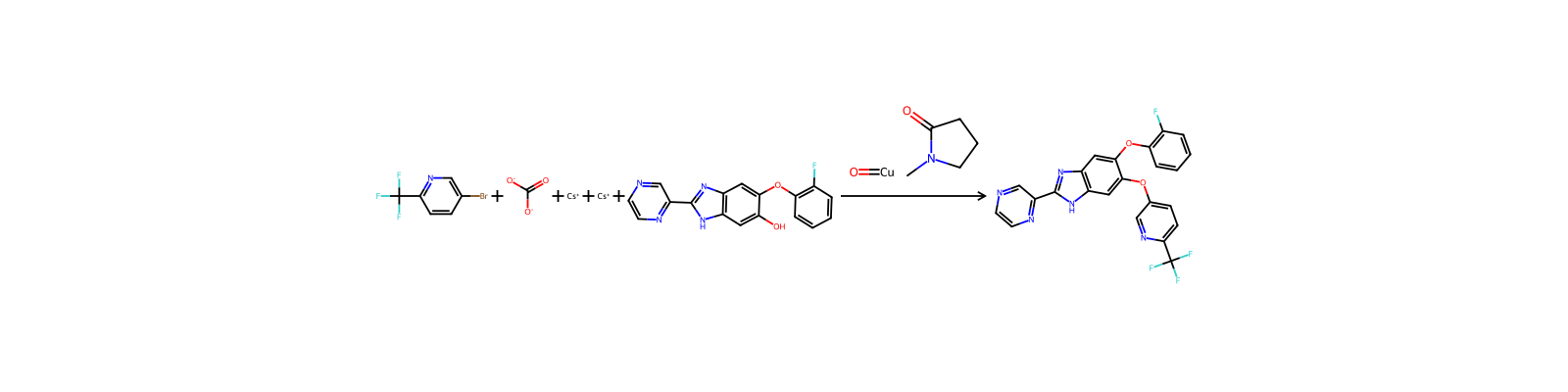
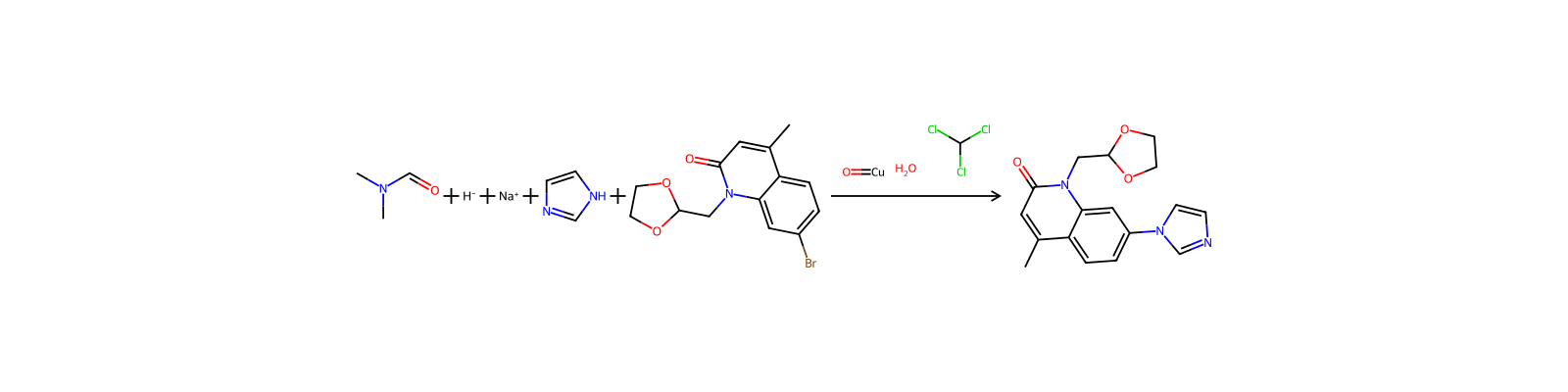
관련 반응
186건




화합물 노트
불러오는 중…