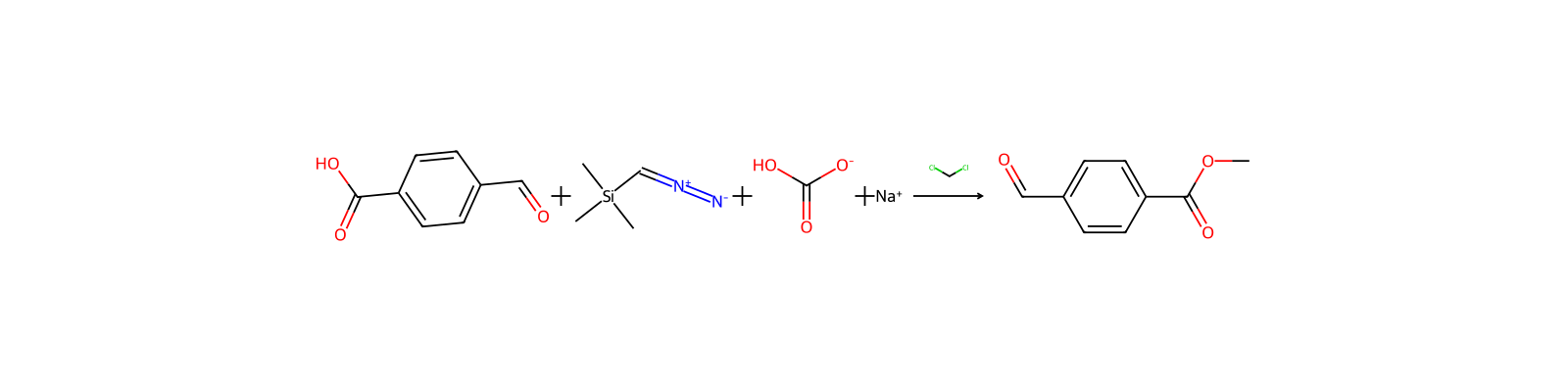

기본 정보
- 표준 SMILES
COC(=O)c1ccc(C=O)cc1- InChIKey
FEIOASZZURHTHB-UHFFFAOYSA-N- 분자식
- C9H8O3
- 평균 분자량
- 164.16 g/mol
- 단동위원소 질량
- 164.04734412
개요
Methyl-p-formylbenzoate appears as needles (in water) or white powder. (NTP, 1992)
이름 및 식별자
- 우선 이름
- Methyl 4-Formylbenzoate
- IUPAC
- methyl 4-formylbenzoate
- 영어명
- Methyl 4-formylbenzoate
- 분자식
- C9H8O3
- 분자량
- 164.16
이름 및 동의어
METHYL 4-FORMYLBENZOATE1571-08-04-CarbomethoxybenzaldehydeMethyl p-formylbenzoateBenzoic acid, 4-formyl-, methyl esterMethyl terephthalaldehydate4-(Methoxycarbonyl)benzaldehydep-Carbomethoxybenzaldehyde4-Formylbenzoic Acid Methyl EsterMethyl-p-formyl benzoateMethyl terephthaldehydateMethyl benzaldehyde-4-carboxylate
이름 더 보기
AKOS BBS-00003165TIMTEC-BB SBB008362Methyl 4-formylbenzoOTAVA-BB BB7018801965Mehyl4-FormylbenzoateMethyl-4-formylbenzoat
p-Formylbenzoic acid methyl esterTerephthalaldehydic acid, methyl ester4-Carboxybenzaldehyde methyl ester2-MethoxycarbonylbenzaldehydeHSDB 5842NSC 28459CCRIS 6063DTXSID4025610
데이터베이스 식별자
- CAS
1571-08-0- PubChem CID
- 15294
- DTXSID
DTXSID4025610- ChEMBL
CHEMBL1607943- UNII
- NH766742VV
- EC Number
- 216-385-5
- Nikkaji
- J47.044I
물성
구조 계산 물성
- XLogP
- 1.7
- 극성 표면적
- 43.4 Ų
- 수소 결합 공여자 수
- 0
- 수소 결합 수용자 수
- 3
- 회전 가능 결합 수
- 3
- 무거운 원자 수
- 12
- 형식 전하
- 0
- 복잡도
- 169
실험 및 물리화학적 성질
Chemical ClassesOther Classes -> Benzaldehydes
Solubilityless than 1 mg/mL at 72 °F (NTP, 1992)
Boiling Point509 °F at 760 mmHg (NTP, 1992)
Melting Point140 to 144 °F (NTP, 1992)
Vapor Pressure0.0099 [mmHg]
Physical Description
Methyl-p-formylbenzoate appears as needles (in water) or white powder. (NTP, 1992)
Other Solid
White solid; [CAMEO] Powder; [MSDSonline]
물리화학적 성질
- 녹는점
- 59 · 59-63 °C (lit.)
- 끓는 점
- 265 °C · 265 °C (lit.)
- 밀도
- 1 · 1,2 g/cm3
- 굴절률
- 1.526 · 1.5260 (estimate)
- 인화점
- 144 °C · 144 °C
- 저장 조건
- 30 °C · Store below +30°C.
- 용해도
- 0.1 g/mL, · 메탄올: 0.1 g/mL, 투명
- 물리적 상태
- 결정질 분말 또는 덩어리
- 색상
- 흰색에서 크림색 또는 약간 녹색
- 수용성
- 불용성
- BRN
- 775895 · 775895
- 안정성
- 안정적이지만 공기에 민감할 수도 있습니다. 타기 쉬운. 강한 산화제와 호환되지 않습니다.
- InChI
- 1S/C9H8O3/c1-12-9(11)8-4-2-7(6-10)3-5-8/h2-6H,1H3
- InChIKey
- FEIOASZZURHTHB-UHFFFAOYSA-N
- SMILES
- [H]C(=O)c1ccc(cc1)C(=O)OC
- LogP
- 2.05 · 2.050 (est)
- NIST
- 4 · 4-HC(O)-C6H4-COOCH3(1571-08-0)
- EPA
- 4 · Benzoic acid, 4-formyl-, methyl ester (1571-08-0)
화학적 성질
white crystalline powder
안전 및 규제
GHS 분류
GHS Classification
This chemical does not meet GHS hazard criteria for 53.3% (8 of 15) of all reports.
Warning
H302 (13.3%): Harmful if swallowed [Warning Acute toxicity, oral]
P261, P264, P264+P265, P270, P271, P280, P301+P317, P302+P352, P304+P340, P305+P351+P338, P319, P321, P330, P332+P317, P337+P317, P362+P364, P403+P233, P405, and P501 (click each P-code to see the statement)
Aggregated GHS information provided per 15 reports by companies from 8 notifications to the ECHA C&L Inventory. Each notification may be associated with multiple companies.
유해성 정보
Regulatory Information
Benzoic acid, 4-formyl-, methyl ester is listed on the EPA's Chemical Data Reporting (CDR) system. Manufacturers and importers of Benzoic acid, 4-formyl-, methyl ester are required to report information about their production and use of this chemical to the EPA under the Toxic Substances Control Act (TSCA). (40 eCFR Part 711)
Status: Active Update: 29-04-2018 https://echa.europa.eu/registration-dossier/-/registered-dossier/24821
Benzoic acid, 4-formyl-, methyl ester: Does not have an individual approval but may be used as a component in a product covered by a group standard. It is not approved for use as a chemical in its own right.
Fire HazardsFlash point data for this compound are not available. It is probably combustible. (NTP, 1992)
Hazards SummaryMay form peroxides; [CAMEO] An irritant; [MSDSonline]
Reactive GroupAldehydes
Reactivity AlertsPeroxidizable Compound
Reactivity Profile
METHYL-P-FORMYLBENZOATE is an aldehyde/ester. Aldehydes are frequently involved in self-condensation or polymerization reactions. These reactions are exothermic; they are often catalyzed by acid. Aldehydes are readily oxidized to give carboxylic acids. Flammable and/or toxic gases are generated by the combination of aldehydes with azo, diazo compounds, dithiocarbamates, nitrides, and strong reducing agents. Aldehydes can react with air to give first peroxo acids, and ultimately carboxylic acids. These autoxidation reactions are activated by light, catalyzed by salts of transition metals, and are autocatalytic (catalyzed by the products of the reaction). The addition of stabilizers (antioxidants) to shipments of aldehydes retards autoxidation. Esters react with acids to liberate heat along with alcohols and acids. Strong oxidizing acids may cause a vigorous reaction that is sufficiently exothermic to ignite the reaction products. Heat is also generated by the interaction of esters with caustic solutions. Flammable hydrogen is generated by mixing esters with alkali metals and hydrides.
Air and Water ReactionsThis chemical may be sensitive to prolonged exposure to air. (NTP, 1992). Insoluble in water.
Hazard Classes and CategoriesAcute Tox. 4 (13.3%)
안전 및 보호
Fire FightingFires involving this material can be controlled with a dry chemical, carbon dioxide or Halon extinguisher. (NTP, 1992)
First Aid
EYES: First check the victim for contact lenses and remove if present. Flush victim's eyes with water or normal saline solution for 20 to 30 minutes while simultaneously calling a hospital or poison control center. Do not put any ointments, oils, or medication in the victim's eyes without specific instructions from a physician. IMMEDIATELY transport the victim after flushing eyes to a hospital even if no symptoms (such as redness or irritation) develop.
Nonfire Spill Response
SMALL SPILLS AND LEAKAGE: Should a spill occur while you are handling this chemical, FIRST REMOVE ALL SOURCES OF IGNITION, then you should dampen the solid spill material with 60-70% ethanol and transfer the dampened material to a suitable container. Use absorbent paper dampened with 60-70% ethanol to pick up any remaining material. Seal the absorbent paper, and any of your clothes, which may be contaminated, in a vapor-tight plastic bag for eventual disposal. Solvent wash all contaminated surfaces with 60-70% ethanol followed by washing with a soap and water solution. Do not reenter the contaminated area until the Safety Officer (or other responsible person) has verified that the area has been properly cleaned.
Personal Protective Equipment (PPE)
RECOMMENDED RESPIRATOR: Where the neat test chemical is weighed and diluted, wear a NIOSH-approved half face respirator equipped with an organic vapor/acid gas cartridge (specific for organic vapors, HCl, acid gas and SO2) with a dust/mist filter. (NTP, 1992)
안전 데이터
- wgk
- 2
- tsca
- TSCA listed
- HS 번호
- 29183000
- risk_code
- 36/37/38-20/21/22
- hazard_code
- Xn,Xi
- safety_code
- 22-24/25
- 위험 참고 사항
- Irritant
- 자연 발화 온도
- 240°C
- 스토리지 클래스
- 11 - Combustible Solids
- 유해 물질 데이터
- 1571-08-0(Hazardous Substances Data)
화학 및 산업
용도 및 제조
Uses
Used to make dimethyl terephthalate; [HSDB]
CHEM INT (UNISOLATED) FOR DIMETHYL TEREPHTHALATE
U.S. Exports
(1979) No Data
(1981) No Data
U.S. Imports
(1979) No Data
(1981) No Data
U.S. Production
2023: 500,000 - <1,000,000 lb
(1977) AT LEAST 4.54X10+8 GRAMS (UNISOLATED)
(1981) No Data
Industry UsesNot Known or Reasonably Ascertainable
Methods of ManufacturingPRODUCED AS AN UNISOLATED INTERMEDIATE IN PROCESS FOR MAKING DIMETHYL TEREPHTHALATE FROM P-XYLENE BY SUCCESSIVE OXIDATIONS & ESTERIFICATIONS
General Manufacturing Information
All Other Basic Organic Chemical Manufacturing
Benzoic acid, 4-formyl-, methyl ester: ACTIVE
응용 분야
용도Methyl 4-formylbenzoate is used in the preparation of dimethyl terephthalate. It is also used as an active pharmaceutical ingredient intermediate and fluorescent brightener intermediate.
일반 설명Needles (in water) or white powder.
상·하류 제품 정보
상류 원료
하류 제품
공급사50 곳
国药集团化学试剂有限公司86-21-63210123 · [email protected]
梯希爱(上海)化成工业发展有限公司021-67121386 · [email protected]
衢州润东化工有限公司0570-8789886 18892685668 · [email protected]
北京安司莫森技术有限公司010-82954736 13391601435 · [email protected]
科瑞迪化学400-821-5857 021-64326257 · [email protected]
Syntechem Co.,Ltd[email protected]
上海迈瑞尔生化科技有限公司4006356688 18621169109 · [email protected]
北京华威锐科化工有限公司0757-86329057 18934348241 · [email protected]
威海科盛新材料有限公司13326315369 · [email protected]
阿法埃莎(中国)化学有限公司400-6106006 · [email protected]
太原市瑞和丰科贸有限公司+86 351 7031519 · [email protected]
上海德默医药科技有限公司400-021-7337 2355568890 · [email protected]
安耐吉化学&3A(安徽泽升科技股份有限公司)400-0056266 · [email protected]
武汉凯威斯科技有限公司86-027-67849912 · [email protected]
上海瀚鸿科技股份有限公司021-54306202 13764082696 · [email protected]
上海柯维化学技术有限公司021-64609169 18901607656 · [email protected]
上海相辉医药科技有限公司13761987713 · [email protected]
嘉兴市艾森化工有限公司0573-85285100 18627885956 · [email protected]
Pure Chemistry Scientific Inc.001-857-928-2050 or 1-888-588-9418 · [email protected]
武汉丰泰威远科技有限公司027-87465837 19945049750 · [email protected]
上海忆嵘生物科技有限公司18049974220 · [email protected]
孝感深远化工有限公司15527621225; 15527621225 · [email protected]
常州永和精细化学有限公司0519-88552298 13921086978 · [email protected]
山东西亚化学有限公司13355009207 13355009207 · [email protected]
唐山默内德贸易有限公司0315-8309571 15633399667 · [email protected]
玛雅试剂+86 (573) 82222445 (0)18006601000 452520369 · [email protected]
四川库利南科技有限公司400-1166-196 18981987031 · [email protected]
天津希恩思生化科技有限公司400 638 7771 · [email protected]
武汉科美沃化工有限公司027-85736489 · [email protected]
南京维奥化工有限公司Please Send Email 18652950785 · [email protected]
河南多贝化工有限公司0370-2785118 17550508557 · [email protected]
上海思域化工科技有限公司86-21-34053660 · [email protected]
赛默飞世尔科技(中国)有限公司800-810-5118 · [email protected]
北京伊诺凯科技有限公司400-810-7969 010-59572699 · [email protected]
上海健超生物科技有限公司150-2103-5486 18017383231 · [email protected]
TOKYO CHEMICAL INDUSTRY CO., LTD.03-36680489 · [email protected]
上海贤鼎生物科技有限公司4009209199 · [email protected]
深圳康特腾科技有限公司86-0755-86635001 · [email protected]
越林试剂021-62960152 · [email protected]
上海睿升化工科技有限公司+86-021-50935922
南京杜莱生物技术有限公司025-84699383-8003;025-846993838003-8003 18013301590 · [email protected]
北京环宇世纪化学科技有限公司hysj_bj.com
上海湄水化工科技有限公司021-60549325 18616193163
上海将来实业股份有限公司021-61552785 · [email protected]
HBCChem, Inc.+1-510-219-6317 · [email protected]
上海笛柏生物科技有限公司400-008-9730,021-54359730 400-008-9730 · [email protected]
郑州阿尔法化工有限公司0371-53732842 15981811963 · [email protected]
成都零六生物科技有限公司400-1166-196 13458535857 · [email protected]
雷丁试剂0510-85629785 18013409632 · [email protected]
上海御略医药科技有限公司021-60345187 13671753212 · [email protected]
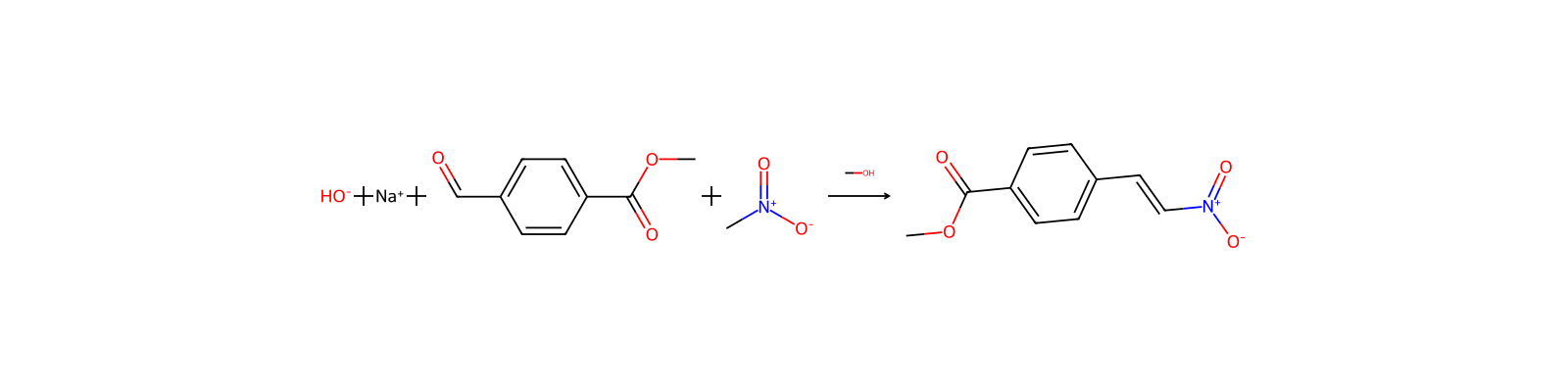
관련 반응
508건




연결된 노트
불러오는 중…