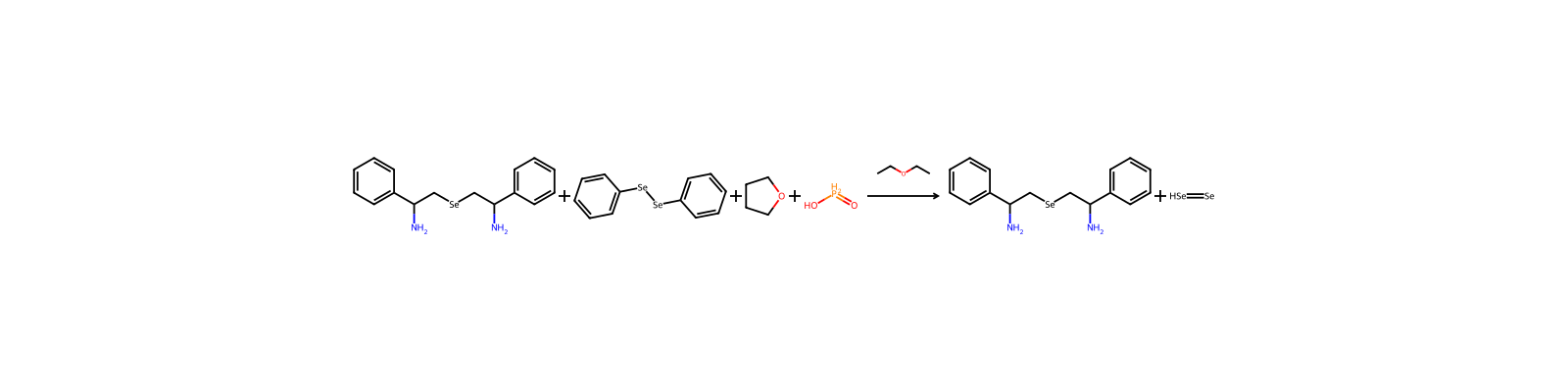
이셀레늄화디페닐
Diphenyl diselenide
데이터를 보충하는 중입니다. 잠시 후 페이지를 새로 고치면 최신 내용을 볼 수 있습니다
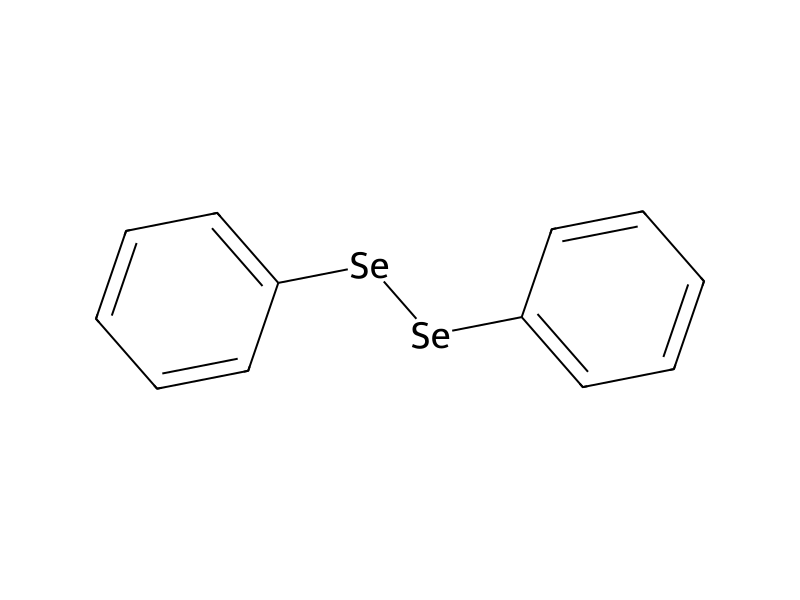
기본 정보
- CAS
1666-13-3- 표준 SMILES
c1ccc([Se][Se]c2ccccc2)cc1- InChIKey
YWWZCHLUQSHMCL-UHFFFAOYSA-N- 분자식
- C12H10Se2
- 평균 분자량
- 312.1 g/mol
- 단동위원소 질량
- 313.91129292
개요
Diphenyl diselenide is an organic molecular entity.
이름 및 식별자
- 우선 이름
- Diphenyl diselenide
- IUPAC
- (phenyldiselanyl)benzene
- 현지명
- 이셀레늄화디페닐
- 영어명
- Diphenyl diselenide
- 분자식
- C12H10Se2
- 분자량
- 312.13
이름 및 동의어
Diphenyl diselenide1666-13-3Diselenide, diphenylPhenyl diselenide1,2-Diphenyldiselane(phenyldiselanyl)benzeneDiphenyldiselenideBis(phenylselenide)9ATU3Z459QDTXSID6061864NSC-49763RefChem:134644
이름 더 보기
이셀레늄화디페닐diseLTwo phenyltwo sediphenyl-diseleniddiphenyl disenenideDiselenide,diphenylDiphenyl perselenide
DTXCID3035347216-780-2diphenyldiselaneC12H10Se2MFCD00003001CHEMBL3122204CCRIS 9227EINECS 216-780-2
데이터베이스 식별자
- CAS
1666-13-3- PubChem CID
- 15460
- DTXSID
DTXSID6061864- ChEMBL
CHEMBL3122204- ChEBI
CHEBI:232541- UNII
- 9ATU3Z459Q
- EC Number
- 216-780-2
- Nikkaji
- J31.930I
물성
구조 계산 물성보충 중
- 극성 표면적
- 0 Ų
- 수소 결합 공여자 수
- 0
- 수소 결합 수용자 수
- 0
- 회전 가능 결합 수
- 3
- 무거운 원자 수
- 14
- 형식 전하
- 0
- 복잡도
- 128
물리화학적 성질
- 녹는점
- 60 °C · 60 °C
- 끓는 점
- 202 °C · 202 °C / 11mmHg
- 밀도
- 1.557 · 1.5570
- 굴절률
- 1.743 · 1.7430
- 저장 조건
- 30 °C · Store below +30°C.
- 물리적 상태
- 가루
- 색상
- 노란색
- Specific Gravity
- 1.84 · 1.84
- 수용성
- 불용성
- BRN
- 2047179 · 2047179
- InChI
- 1S/C12H10Se2/c1-3-7-11(8-4-1)13-14-12-9-5-2-6-10-12/h1-10H
- InChIKey
- YWWZCHLUQSHMCL-UHFFFAOYSA-N
- SMILES
- [Se]([Se]c1ccccc1)c2ccccc2
- NIST
- Diselenide, diphenyl(1666-13-3)
- EPA
- Diselenide, diphenyl (1666-13-3)
화학적 성질
yellow crystalline powder
안전 및 규제
안전 정보는 참고용이며, 공급업체의 물질안전보건자료(SDS), 관련 법규 및 전문가 평가를 대체하지 않습니다.
GHS 분류
GHS Classification
Danger
H301 (97.9%): Toxic if swallowed [Danger Acute toxicity, oral]
P260, P261, P264, P270, P271, P273, P301+P316, P304+P340, P316, P319, P321, P330, P391, P403+P233, P405, and P501 (click each P-code to see the statement)
Aggregated GHS information provided per 48 reports by companies from 8 notifications to the ECHA C&L Inventory. Each notification may be associated with multiple companies.
유해성 정보
Regulatory Information
Chemical: Diselenide, diphenyl
Diphenyl diselenide: Does not have an individual approval but may be used under an appropriate group standard
Other Safety InformationEvaluation - Chemicals not considered for in depth evaluation - Not commercially active in Australia
Hazard Classes and CategoriesAcute Tox. 3 (97.9%)
안전 및 보호
Minimum Risk LevelChronic Oral: 0.005 mg/kg/day (L134)
독성 정보
Health Effects
Chronic oral exposure to high concentrations of selenium compounds can produce a disease called selenosis. The major signs of selenosis are hair loss, nail brittleness, and neurological abnormalities (such as numbness and other odd sensations in the extremities). Animal studies have shown that selenium may also affect sperm production and the female reproductive cycle. (L619)
Exposure Routes
화학 및 산업
약리 정보
Metabolism/Metabolites
Selenium may be absorbed through inhalation and ingestion, while some selenium compounds may also be absorbed dermally. Once in the body, selenium is distributed mainly to the liver and kidney. Selenium is an essential micronutrient and is a component of glutathione peroxidase, iodothyronine 5'-deiodinases, and thioredoxin reductase. Organic selenium is first metabolized into inorganic selenium. Inorganic selenium is reduced stepwise to the intermediate hydrogen selenide, which is either incorporated into selenoproteins after being transformed to selenophosphate and selenocysteinyl tRNA or excreted into the urine after being transformed into methylated metabolites of selenide. Elemental selenium is also methylated before excretion. Selenium is primarily eliminated in the urine and feces, but certain selenium compounds may also be exhaled. (L619)
용도 및 제조
UsesDiphenyl diselenide is a useful reagent in organic synthesis. (L623)
General Manufacturing InformationDiselenide, diphenyl: INACTIVE
응용 분야
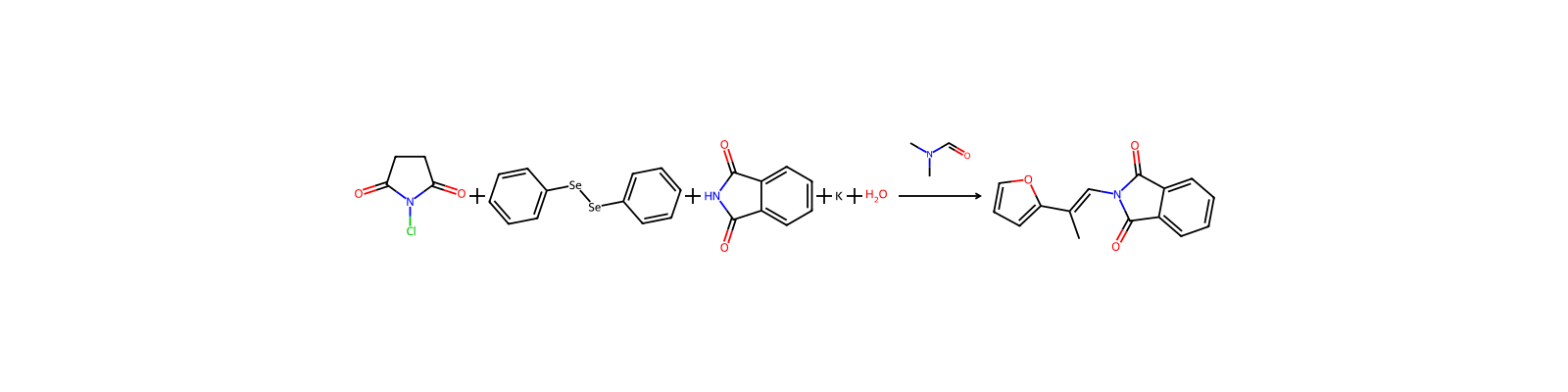
용도Diphenyl diselenide is used in the methoxyselenenylation of alkenes, dihydroxylation of double bonds, hydrothiolation of terminal alkynes. It is used in the synthesis of the unsymmetrical diorganyl selenides, 1-(phenylselenomethyl)vinyl selenides, allylic phenyl selenides.
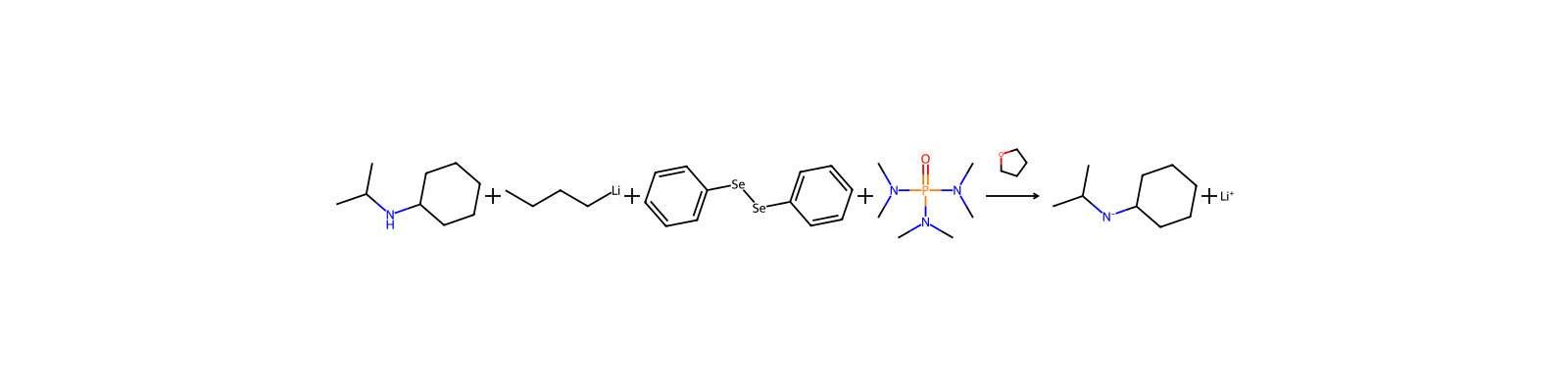
일반 설명Diphenyl diselenide (Ph2Se2) is an organoselenium compound. Its crystalline structure, toxicokinetic properties, antioxidant and anti-inflammatory activities have been investigated. Its ability to reverse the oxidative brain damage and mitochondrial dysfunction induced by acetaminophen has been studied in mice. It reacts with thallium (Tl) to form TI (SePh). It participates in a four-component radical coupling to form substituted cyclopentanes.
상·하류 제품 정보
관련 반응
13건




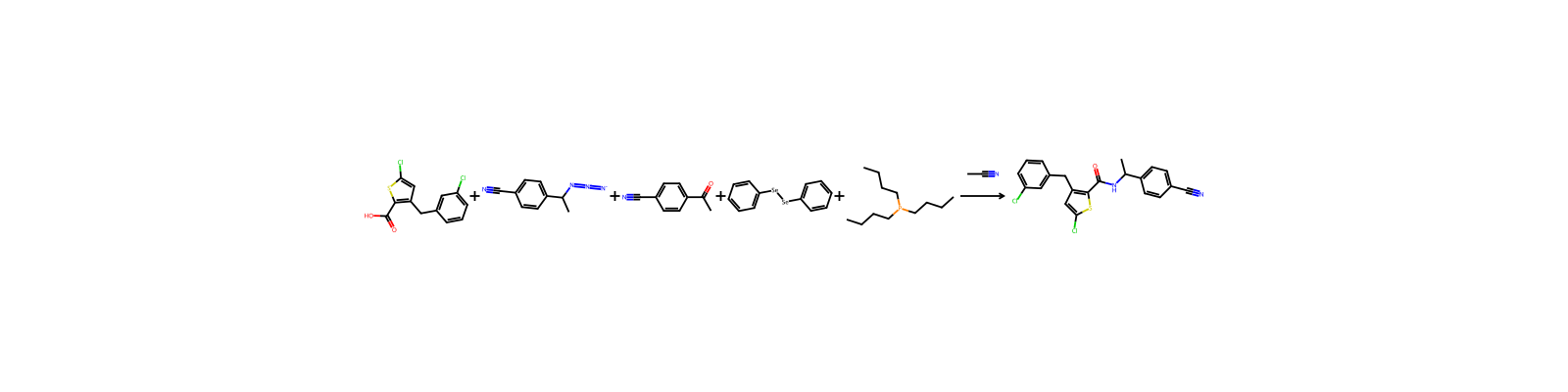
화합물 노트
불러오는 중…