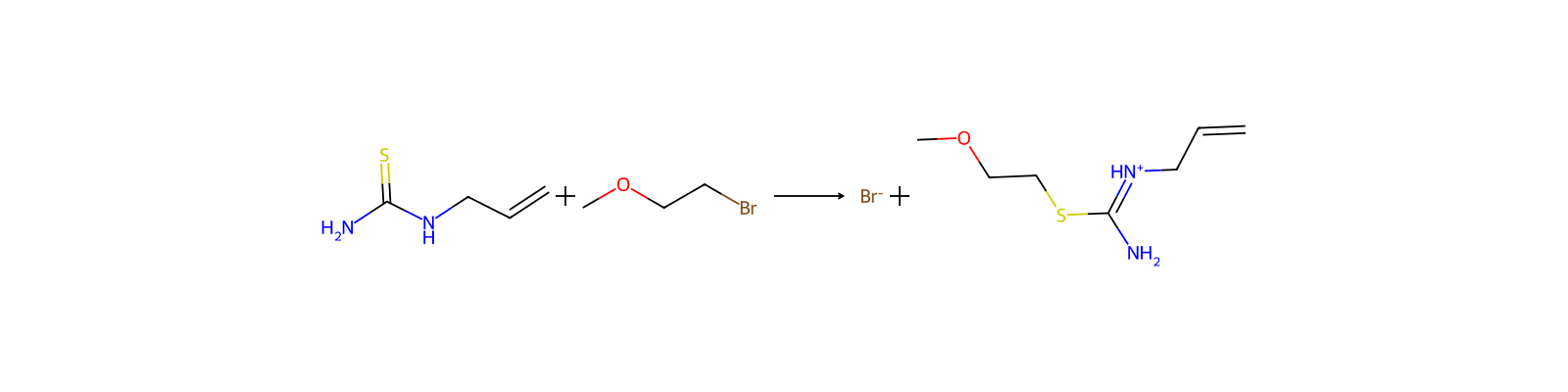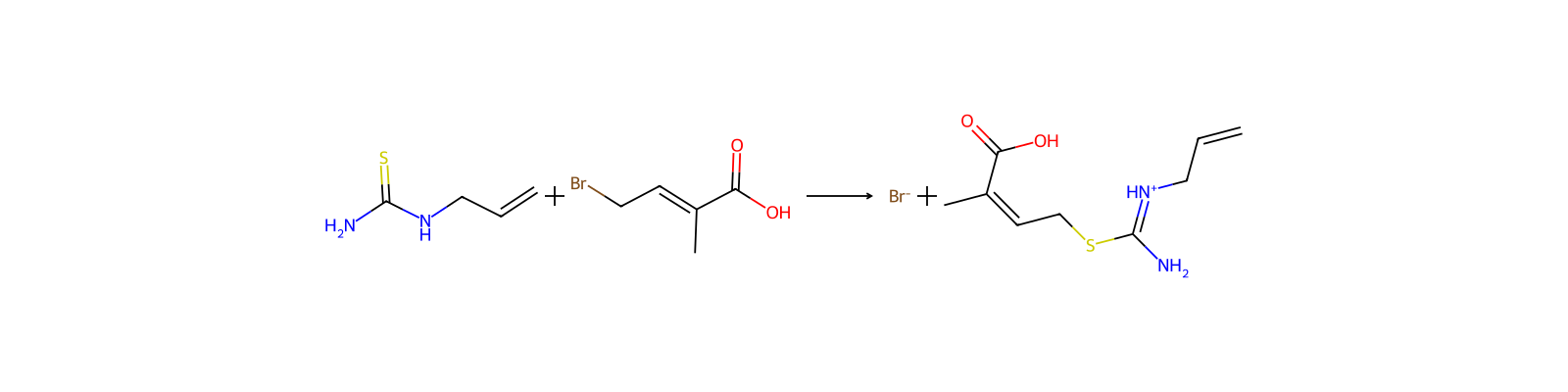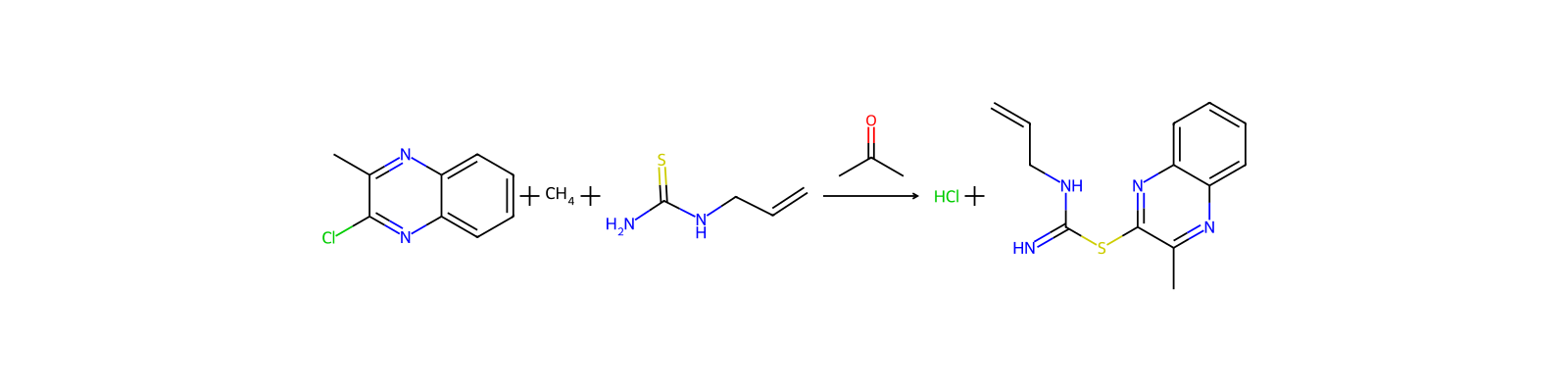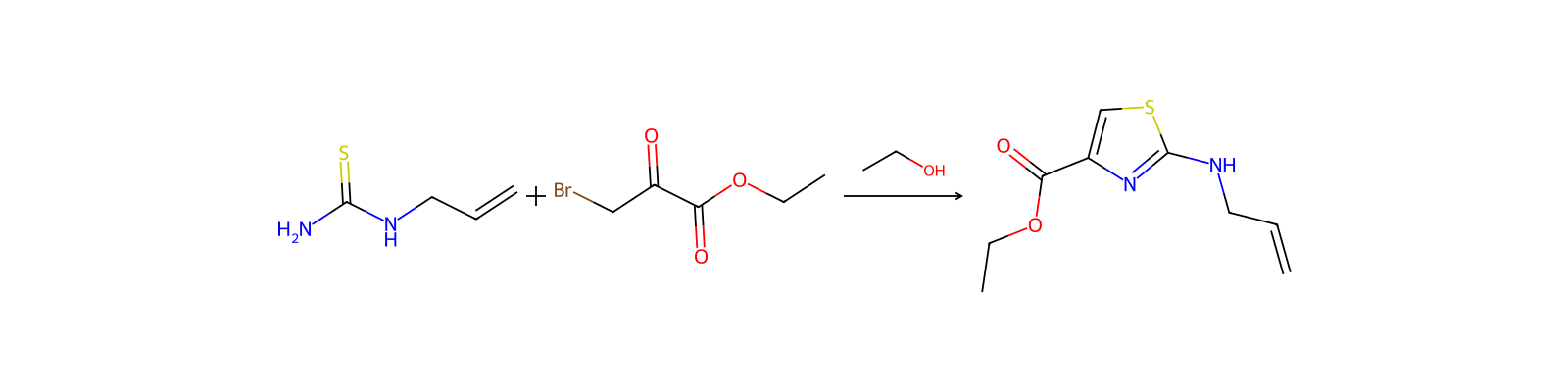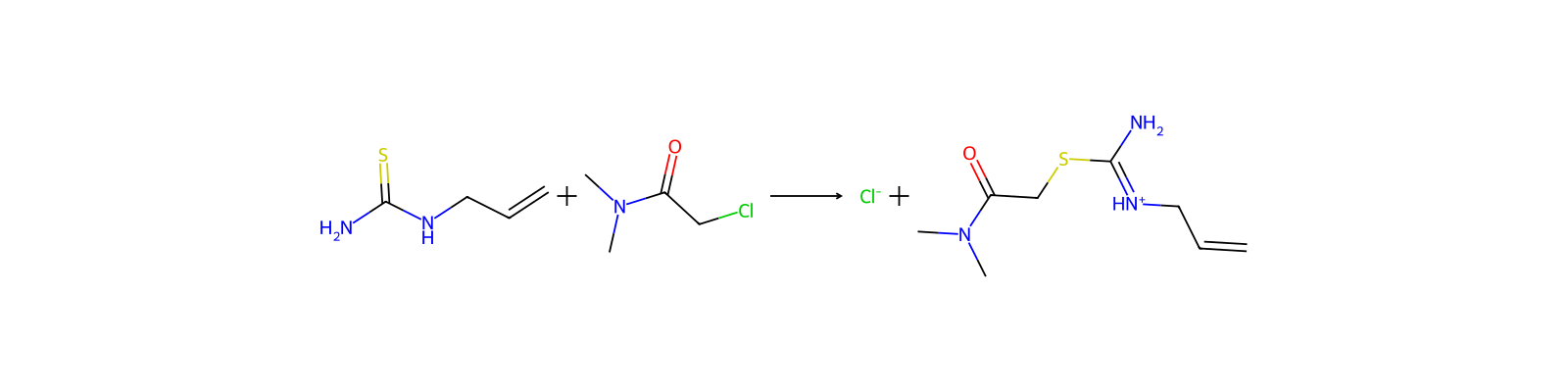
HRID 863724반응물로
Allylthiourea
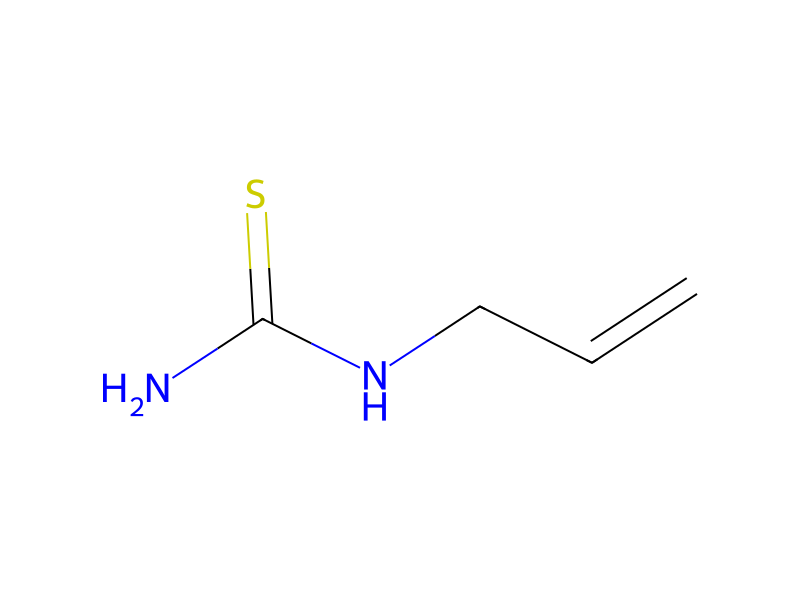
109-57-9C=CCNC(N)=SHTKFORQRBXIQHD-UHFFFAOYSA-NAllylthiourea is a white crystalline solid with a slight garlic odor. (NTP, 1992)
109-57-9DTXSID3024449CHEMBL1451910CHEBI:7407910 to 50 mg/mL at 67.1 °F (NTP, 1992)
>17.4 [ug/mL] (The mean of the results at pH 7.4)
안전 정보는 참고용이며, 공급업체의 물질안전보건자료(SDS), 관련 법규 및 전문가 평가를 대체하지 않습니다.
Danger
H301 (99.5%): Toxic if swallowed [Danger Acute toxicity, oral]
P264, P270, P301+P316, P321, P330, P405, and P501 (click each P-code to see the statement)
Aggregated GHS information provided per 197 reports by companies from 6 notifications to the ECHA C&L Inventory.
Chemical: Thiourea, 2-propenyl-
Allylthiourea: Does not have an individual approval but may be used under an appropriate group standard
ALLYLTHIOUREA may react vigorously with strong oxidizing agents. Can react exothermically with reducing agents (such as alkali metals and hydrides) to release gaseous hydrogen. May react exothermically with both acids and bases. May generate flammable gases in combination with aldehydes, nitrides, and hydrides. Incompatible with peroxides and acid halides.
용도N-Allylthiourea is a nitrification inhibitor used in the study on the transformation of diclofenac, naproxen and bisoprolol under aerobic and anaerobic conditions. It is also used in medicine to minimize scar tissue in order to fight against a type of dermatitis. Further, it inhibits the growth of transplanted tumors in mice. It acts as a chelating agent. In addition, it is used in cosmetics, preservative and in organic synthesis.
일반 설명White crystalline solid with a slight garlic odor.
In the presence of potassium iodide, in ethanol solution, chloropropene is reacted with sodium thiocyanide to form allyl isothiocyanate, which is then ammoniated in ammonium hydroxide solution, concentrated, cooled and crystallized, filtered, washed, and recrystallized in ethanol or water to produce Allylthiourea.
white crystals or powder. Melting point 76~78.5 ℃, relative density is 1.110, soluble in water and ethanol, slightly soluble in ethanol, insoluble in benzene, with a garlic odor. It is used as an additive for cyanide-free copper plating to increase the brightness and corrosion resistance of plated products.
EYES: First check the victim for contact lenses and remove if present. Flush victim's eyes with water or normal saline solution for 20 to 30 minutes while simultaneously calling a hospital or poison control center. Do not put any ointments, oils, or medication in the victim's eyes without specific instructions from a physician. IMMEDIATELY transport the victim after flushing eyes to a hospital even if no symptoms (such as redness or irritation) develop.
SMALL SPILLS AND LEAKAGE: If you spill this chemical, you should dampen the solid spill material with water, then transfer the dampened material to a suitable container. Use absorbent paper dampened with water to pick up any remaining material. Seal your contaminated clothing and the absorbent paper in a vapor-tight plastic bag for eventual disposal. Wash all contaminated surfaces with a soap and water solution. Do not reenter the contaminated area until the Safety Officer (or other responsible person) has verified that the area has been properly cleaned.
RECOMMENDED RESPIRATOR: Where the neat test chemical is weighed and diluted, wear a NIOSH-approved half face respirator equipped with an organic vapor/acid gas cartridge (specific for organic vapors, HCl, acid gas and SO2) with a dust/mist filter. (NTP, 1992)
정의ChEBI: Allylthiourea is a thiourea with a prop-2-enyl group attached to one of the amines. It has a role as a metabolite. It is functionally related to a thiourea.