Tetrafluoroterephthalonitrile

기본 정보
- CAS
1835-49-0- 표준 SMILES
N#Cc1c(F)c(F)c(C#N)c(F)c1F- InChIKey
PCRSJGWFEMHHEW-UHFFFAOYSA-N- 분자식
- C8F4N2
- 평균 분자량
- 200.09 g/mol
- 단동위원소 질량
- 199.99976066
개요
can cause contact dermatitis; structure given in first source
이름 및 식별자
- 우선 이름
- Tetrafluoroterephthalonitrile
- IUPAC
- 2,3,5,6-tetrafluorobenzene-1,4-dicarbonitrile
- 영어명
- Tetrafluoroterephthalonitrile
- 분자식
- C8F4N2
- 분자량
- 200.09
이름 및 동의어
Tetrafluoroterephthalonitrile1835-49-01,4-BENZENEDICARBONITRILE, 2,3,5,6-TETRAFLUORO-2,3,5,6-Tetrafluoro-1,4-benzenedicarbonitrileTerephthalonitrile, tetrafluoro-K9NAY7JK97TFTPNNSC-97007DTXSID1075141RefChem:188591DTXCID4035839217-397-3
이름 더 보기
etrafluoroterephthalonitrileJJFCdiamond2031JACS-1835-49-0uoroterephthaLTetrafluorobenzonitrilePTFEtwo of benzenenitrile
2,3,5,6-TetrafluoroterephthalonitrileDiamond 20312,3,5,6-tetrafluorobenzene-1,4-dicarbonitrilePerfluoroterephthalonitrile1,4-DicyanotetrafluorobenzeneTetrafluoroterephthalodinitrileMFCD00001776EINECS 217-397-3
데이터베이스 식별자
- CAS
1835-49-0- PubChem CID
- 15783
- DTXSID
DTXSID1075141- ChEMBL
CHEMBL3248223- UNII
- K9NAY7JK97
- EC Number
- 217-397-3
- Nikkaji
- J1.782E
물성
구조 계산 물성
- XLogP
- 1.8
- 극성 표면적
- 47.6 Ų
- 수소 결합 공여자 수
- 0
- 수소 결합 수용자 수
- 6
- 회전 가능 결합 수
- 0
- 무거운 원자 수
- 14
- 형식 전하
- 0
- 복잡도
- 266
물리화학적 성질
- 녹는점
- 197 · 197-199 °C (lit.)
- 끓는 점
- 243.3 · 243.3±40.0 °C(Predicted)
- 밀도
- 1.6184 · 1.6184 (estimate)
- 저장 조건
- 2 · 2-8°C
- 용해도
- 뜨거운 메탄올에 용해됩니다.
- 물리적 상태
- 고체
- 색상
- 흰색에서 밝은 노란색
- InChI
- InChI=1S/C8F4N2/c9-5-3(1-13)6(10)8(12)4(2-14)7(5)11
- InChIKey
- PCRSJGWFEMHHEW-UHFFFAOYSA-N
- SMILES
- C1(C#N)=C(F)C(F)=C(C#N)C(F)=C1F
- NIST
- 1 · 1,4-Benzenedicarbonitrile, 2,3,5,6-tetrafluoro-(1835-49-0)
- EPA
- Tetrafluoroterephthalonitrile (1835-49-0)
화학적 성질
YELLOW TO YELLOW-GREEN CRYSTALS
안전 및 규제
안전 정보는 참고용이며, 공급업체의 물질안전보건자료(SDS), 관련 법규 및 전문가 평가를 대체하지 않습니다.
GHS 분류
GHS Classification
Danger
H301 (97.8%): Toxic if swallowed [Danger Acute toxicity, oral]
P261, P264, P264+P265, P270, P271, P280, P301+P316, P302+P352, P304+P340, P305+P351+P338, P319, P321, P330, P332+P317, P337+P317, P362+P364, P403+P233, P405, and P501 (click each P-code to see the statement)
Aggregated GHS information provided per 45 reports by companies from 7 notifications to the ECHA C&L Inventory. Each notification may be associated with multiple companies.
유해성 정보
Hazard Classes and CategoriesAcute Tox. 3 (97.8%)
안전 데이터
- wgk
- 3
- rtecs
- CZ1955000
- ridadr
- UN 3439 6.1/PG 3
- 독성
- mouse,LD50,oral,56mg/kg (56mg/kg),Journal of Medicinal Chemistry. Vol. 21, Pg. 906, 1978.
- HS 번호
- 29269090
- risk_code
- 25-36/37/38-20/21-23/24/25-36/37/39-20/21/22
- hazard_code
- T,Xi
- safety_code
- 26-45-37/39-22-36/37/39-27
- 포장분류
- III
- 위험 등급
- 6.1(b)
- 위험 참고 사항
- Toxic
- Hazard Classifications
- Acute Tox. 3 OralEye Irrit. 2Skin Irrit. 2STOT SE 3
- 스토리지 클래스
- 6.1C - Combustible acute toxic Cat.3toxic compounds or compounds which causing chronic effects
화학 및 산업
응용 분야
용도Tetrafluoroterephthalonitrile can be used as a synthessi reagent primarily used to create polymers of intinsic microporosity.
일반 설명Tetrafluoroterephthalonitrile reacts with alkyl Grignard reagents to form corresponding 4-alkyltetrafluorobenzonitriles. Tetrafluoroterephthalonitrile acts as a four-electron donor ligand and forms tungsten(II)η2-nitrile complexes.
상·하류 제품 정보
상류 원료
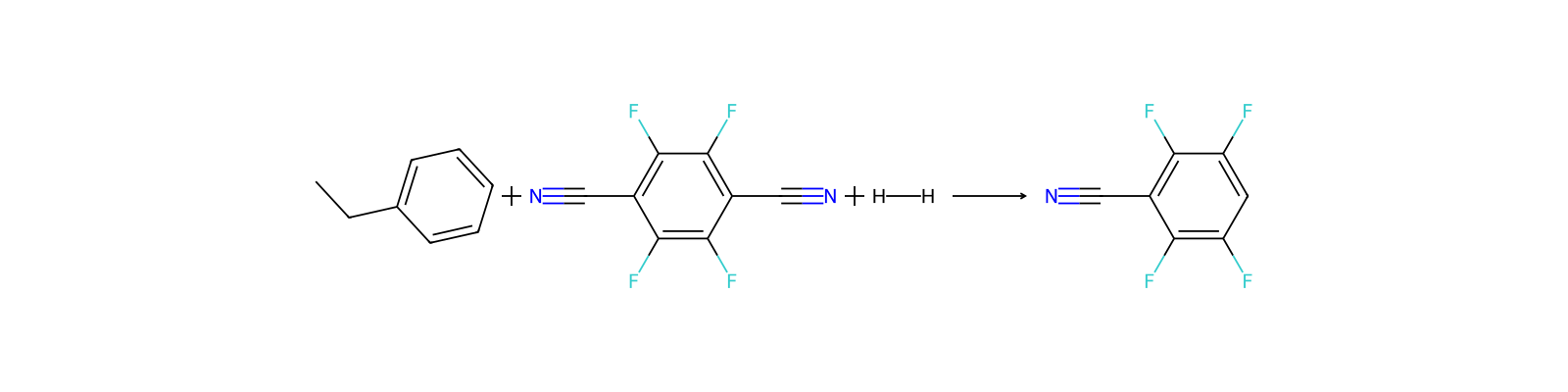
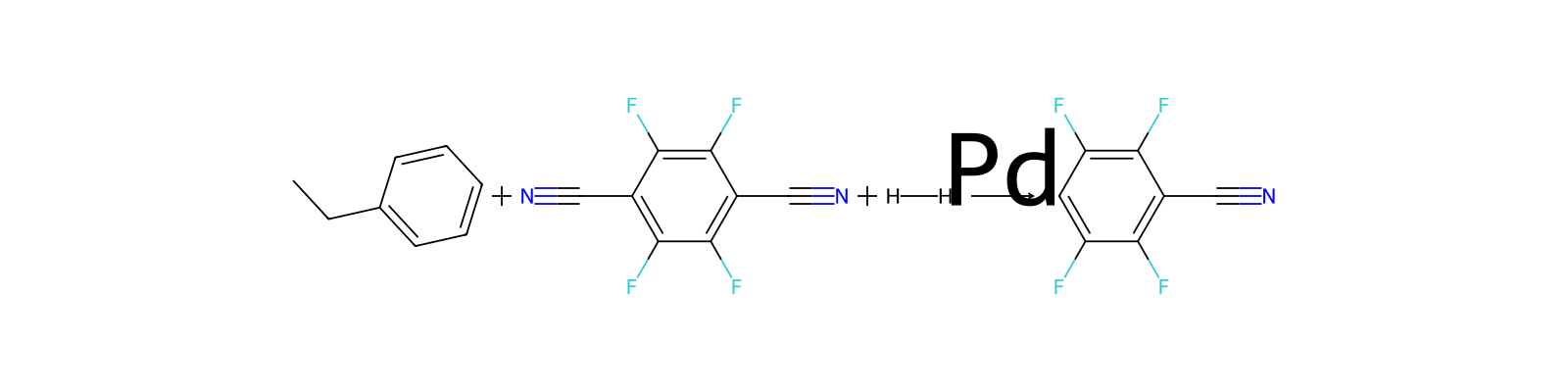
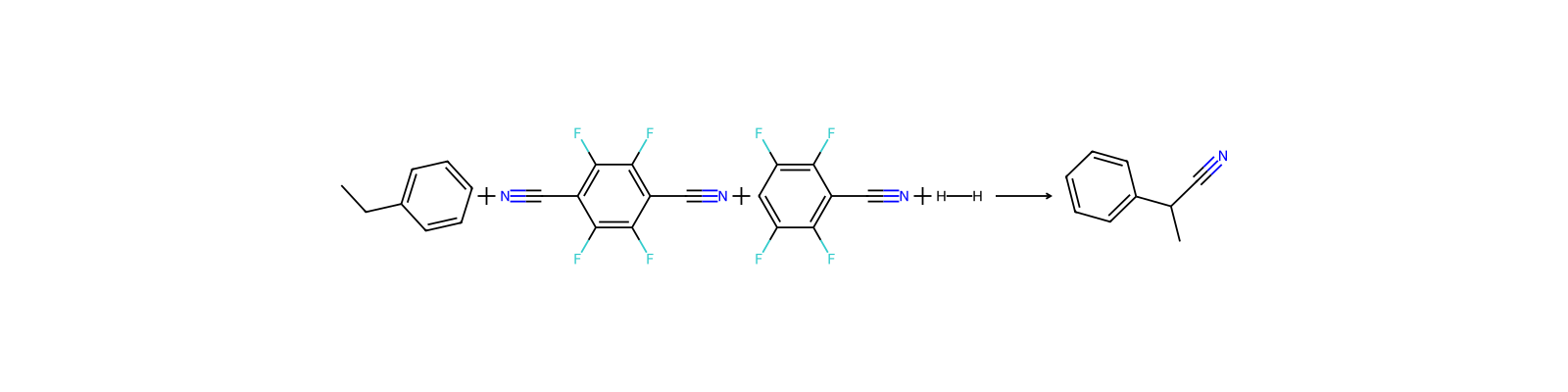
관련 반응
21건




화합물 노트
불러오는 중…