
홈MCP워크벤치Skills
홈워크벤치알림마이페이지
llms.txt · MCP 가이드개인정보처리방침 · 이용약관 · 지원v1.8.0
  1. 홈
  2. /화합물

과탄산 나트륨

Sodium percarbonate

HCID 159762
새 노트새 반응견적 요청하기
인쇄 미리보기

데이터를 보충하는 중입니다. 잠시 후 페이지를 새로 고치면 최신 내용을 볼 수 있습니다
기본 정보개요이름 및 식별자물성안전 및 규제화학 및 산업관련 반응화합물 노트
부분 구조 검색유사 구조 찾기

기본 정보

CAS
15630-89-4
표준 SMILES
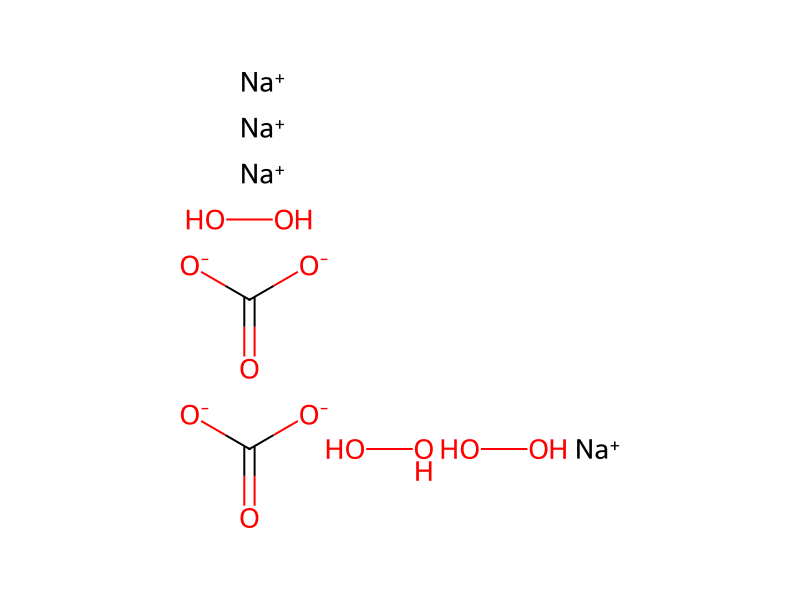
O=C([O-])[O-].O=C([O-])[O-].OO.OO.OO.[Na+].[Na+].[Na+].[Na+]
InChIKey
MSLRPWGRFCKNIZ-UHFFFAOYSA-J
분자식
C2H6Na4O12
평균 분자량
314.02 g/mol
단동위원소 질량
313.94500275

개요

Sodium percarbonate appears as a colorless, crystalline solid. Denser than water. May combust in contact with organic materials. Contact may irritate skin, eyes and mucous membranes. May be toxic by ingestion. Used to make other chemicals.

이름 및 식별자

우선 이름
Sodium percarbonate
IUPAC
tetrasodium;hydrogen peroxide;dicarbonate
현지명
과탄산 나트륨
영어명
Sodium percarbonate
분자식
CH5NaO5
분자량
120.04

이름 및 동의어

Sodium percarbonateOxyperSodium carbonate peroxyhydratePerdoxSodium carbonate peroxideFB Sodium percarbonatePeroxy sodium carbonateZ7G82NV92PDisodium carbonate, hydrogen peroxide (2:3)DISODIUM CARBONATE SESQUIPEROXIDEHOOF CARERefChem:6244
이름 더 보기
나트륨탄산염과산화물탄산디나트륨염,화합물,함유수소과산화물(2:3)퍼옥시나트륨탄산염과탄산나트륨탄산디나트륨염,화합물,함유수소과산화물(H2O2)탄산나트륨·과산화수소화물과탄산나트륨소듐카보네이트퍼옥사이드과탄산 나트륨PCS과산화수소를 가진 화합물다이소듐 카보네이트소듐 카보네이트 퍼옥시하이드레이트퍼카보네이트PCSSODIUM PERCARBONATE 13% AVAILABLE OXYGENSODIUM CARBONATE HYDROGEN PEROXIDEECOX-COxiCleanOxyper S 142
ASPEN FOOT PATROLSODIUM PERCARBONATESHYDROGEN PEROXIDE, COMPOUND WITH DISODIUM CARBONATE (3:2)CARBONIC ACID DISODIUM SALT, COMPOUND WITH HYDROGEN PEROXIDE (2:3)239-707-615630-89-4Percarbonatetetrasodium;hydrogen peroxide;dicarbonate

물성

구조 계산 물성보충 중

극성 표면적
248 Ų
수소 결합 공여자 수
6
수소 결합 수용자 수
12
회전 가능 결합 수
0
무거운 원자 수
18
형식 전하
0
복잡도
18.8

실험 및 물리화학적 성질

Chemical ClassesMetals -> Organic Acids, Metal Salts
CosmeticsDeodorant; Oxidising
Density2.1 g/cm³
Color/FormWhite granular powder
SolubilitySolubility in water, g/100ml at 20 °C: 14 (good)
DecompositionWhen heated to decomposition it emits acrid smoke and irritating vapors.
Melting PointNo melting point; decomposes at >50 °C
Vapor PressureVapor pressure, Pa at 25 °C: (negligible)
Physical Description · 4건

Sodium percarbonate appears as a colorless, crystalline solid. Denser than water. May combust in contact with organic materials. Contact may irritate skin, eyes and mucous membranes. May be toxic by ingestion. Used to make other chemicals.

CBI; Dry Powder; Other Solid

Colorless solid; [CAMEO] White solid; [ICSC]

WHITE CRYSTALLINE POWDER.

Stability/Shelf LifeStable under recommended storage conditions.

안전 및 규제

안전 정보는 참고용이며, 공급업체의 물질안전보건자료(SDS), 관련 법규 및 전문가 평가를 대체하지 않습니다.

GHS 분류

GHS Classification · 6건

This chemical does not meet GHS hazard criteria for 0.7% (8 of 1138) of reports.

Danger

H272 (46.1%): May intensify fire; oxidizer [Danger Oxidizing liquids; Oxidizing solids]

P210, P220, P264, P264+P265, P270, P280, P301+P317, P305+P354+P338, P317, P330, P370+P378, and P501 (click each P-code to see the statement)

Aggregated GHS information provided per 1138 reports by companies from 32 notifications to the ECHA C&L Inventory. Each notification may be associated with multiple companies.

Danger

유해성 정보

Regulatory Information · 4건

Chemical: Carbonic acid sodium salt (1:2), compd. with hydrogen peroxide (H2O2) (2:3)

Carbonic acid sodium salt (1:2), compd. with hydrogen peroxide (H2O2) (2:3) is listed on the EPA's Chemical Data Reporting (CDR) system. Manufacturers and importers of Carbonic acid sodium salt (1:2), compd. with hydrogen peroxide (H2O2) (2:3) are required to report information about their production and use of this chemical to the EPA under the Toxic Substances Control Act (TSCA). (40 eCFR Part 711)

Status: Active Update: 15-07-2022 https://echa.europa.eu/registration-dossier/-/registered-dossier/15960

Carbonic acid disodium salt, compd. with hydrogen peroxide (2:3): Does not have an individual approval but may be used under an appropriate group standard

Other Safety InformationIMAP assessments - Carbonic acid, disodium salt, compound with hydrogen peroxide (H2O2) (2:3): Environment tier I assessment
DOT LabelOxidizer
Fire Hazards · 3건

Excerpt from ERG Guide 140 [Oxidizers]:

CAUTION: Ammonium nitrate products may explode if involved in fire or contaminated with hydrocarbons (fuels), organic matter, other contaminants or when hot molten and contained. Treat as an explosive (GUIDE 112).

Not combustible but enhances combustion of other substances. Risk of fire and explosion. See Chemical Dangers.

화학 및 산업

약리 정보

Mechanism of ActionSodium carbonate peroxyhydrate is transformed into hydrogen peroxide and sodium carbonate in the presence of water. The hydrogen peroxide oxidizes the critical cellular components of the target organism and thus kills them.
Absorption, Distribution and Excretion · 1건

Dermal absorption is assumed to be low due to the hydrophilic character and the ionic structure of the substance. When sodium percarbonate comes into contact with body fluids it will dissociate into hydrogen peroxide, carbonate ions and sodium ions. All three substances are naturally present in the human body.

용도 및 제조

Uses · 6건

Used to make other chemicals; [CAMEO] Used mainly as a bleaching agent in household laundry detergents and additives and dishwashing machine products; Also used in other consumer cleaning products, dental care products, and for the preservation of raw milk; [OECD SIDS: Sodium Percarbonate - 2005] Used as an algaecide and fungicide for ornamentals, turf grasses, landscapes, commercial greenhouses, garden centers, nurseries, and storage areas; No registered food uses; [EPA Biopesticide Fact Sheet: Sodium Carbonate Peroxyhydrate - 2002] Permitted for use as an inert ingredient in non-food pesticide products; [EPA]

Farming (Pesticides) [Category: Industry]

For sodium percarbonate (USEPA/OPP Pesticide Code: 128860) ACTIVE products with label matches. /SRP: Registered for use in the USA but approved pesticide uses may change periodically and so federal, state and local authorities must be consulted for currently approved uses./

The end-use product is to be used as an algaecide and fungicide on turf grasses, ornamental plants, terrestrial landscapes, in commercial greenhouses, garden centers, nurseries and storage areas. There are no food uses.

... Alternative for sodium perborates as bleaching agent in laundry powders automatic dishwashing detergents and color-safe bleaches.

Other applications for sodium percarbonate are for industrial textile bleaching, for tripe bleaching, and in denture cleaners. In North America sodium percarbonate is also used in toothpaste for improved cleaning and disinfection.

관련 반응

86건

반응 기록 만들기
HRID 29337 반응식
HRID 29337반응물로uspto-grants-2008_09
HRID 259172 반응식
HRID 259172반응물로uspto-grants-1977_07
HRID 259174 반응식
HRID 259174반응물로uspto-grants-1977_07
HRID 338048 반응식
HRID 338048반응물로uspto-grants-2014_11
HRID 338049 반응식
HRID 338049반응물로uspto-grants-2014_11
HRID 374618 반응식
HRID 374618반응물로uspto-grants-1996_01
HRID 384562 반응식
HRID 384562반응물로uspto-grants-2013_02
HRID 394825 반응식
HRID 394825반응물로uspto-grants-2003_08
1 / 11 페이지

화합물 노트

불러오는 중…

이 페이지에서기본 정보개요이름 및 식별자물성안전 및 규제화학 및 산업관련 반응화합물 노트
더보기
새 노트새 반응견적 요청하기

데이터베이스 식별자

CAS
15630-89-4
PubChem CID
159762
DTXSID
DTXSID3029736
UNII
Z7G82NV92P
EC Number
239-707-6
Other Experimental PropertiesIn the presence of water, breaks down into sodium carbonate and hydrogen peroxide. The latter kills pests by oxidation.

물리화학적 성질

밀도
2.09 · 2.09[at 20℃]
증기압
10 · < 10-3 Pa at 25°C
물리적 상태
과립분말
색상
하얀색
냄새
냄새 없는
수소이온지수(pH)
10.5 at · About 10.5 at 1% concentration (20°C)
수용성
물에 용해됩니다.
화장품 원료 기능
산화탈취제
InChI
InChI=1S/CH2O3.Na.H2O2.H/c2-1(3)4;;1-2;/h(H2,2,3,4);;1-2H;
InChIKey
ZGKKJSSOSGCYBK-UHFFFAOYSA-N
SMILES
C(O)(O)=O.OO.[NaH]
LogP
-0.809 · -0.809 (est)
EPA
Sodium percarbonate (15630-89-4)
화학적 성질 · 1건

Sodium percarbonate is a white granular powder of sodium carbonate and hydrogen peroxide. Sodium percarbonate is mainly used as a bleaching chemical in laundry detergents (tablets, compact or regular powders), laundry additives and machine dishwashing products. It is an oxidizing agent and ingredient in a number of home and laundry cleaning products, including eco-friendly bleach products such as OxiClean and Tide laundry detergent. Dissolved in water, it releases hydrogen peroxide and soda ash (sodium carbonate): 2(Na2CO31.5H202)→2Na2CO3+3H202

Health Hazards · 2건

Excerpt from ERG Guide 140 [Oxidizers]:

· Inhalation, ingestion or contact (skin, eyes) with vapors or substance may cause severe injury, burns or death.

Hazards Summary · 1건

A strong oxidizing agent that may combust on contact with organic substances; [CAMEO] Decomposed by water; A respiratory tract, severe eye, and mild skin irritant; Repeated or prolonged exposure may cause lung effects; [ICSC] An addition product of hydrogen peroxide and sodium carbonate; Dissociates into hydrogen peroxide, carbonate, and sodium ions on contact with body fluids (all found naturally in the human body); Causes local irritation but is not likely to cause systemic toxicity; [OECD SIDS: Sodium Percarbonate - 2005] An oxidizer that may intensify fire; An irritant that may cause serious eye injury; Harmful by ingestion; [Sigma-Aldrich MSDS]

DOT ID and Guide3378 140
Reactive GroupSalts, Basic
UN ClassificationUN Hazard Class: 5.1; UN Pack Group: III
Special Reports · 1건

USEPA/Office of Pesticide Programs, Biopesticides and Pollution Division; Biopesticides Registration Action Document - Sodium Carbonate Peroxyhydrate (September 2002).[Available from, as of February 4, 2014: http://www.epa.gov/pesticides/chem_search/reg_actions/registration/decision_PC-128860_16-Sep-02.pdf]

EPA Safer ChemicalChemical: Sodium percarbonate
FIFRA Requirements · 1건

Section 3(c)(5) of FIFRA provides for the registration of new active ingredients if it is determined that (A) its composition is such as to warrant the proposed claims for it; (B) its labeling and other materials required to be submitted comply with the requirements of FIFRA; (C) it will perform its intended function without unreasonable adverse effects on the environment; and (D) when used in accordance with widespread and commonly recognized practice it will not generally cause unreasonable adverse effects on the environment. To satisfy criteria "A"above, Sodium Carbonate Peroxyhydrate is not expected to cause unreasonable adverse effects when used according to label instructions. Criteria "B" is satisfied by the current label and by the data presented in this document. It is believed that this new pesticidal active ingredient will not cause any unreasonable adverse effects, and is likely to provide protection as claimed, satisfying Criteria "C." Criteria "D"is satisfied in that the toxicological properties of this product are less toxic than other conventional pesticide products currently in use for this target pest. Therefore, Sodium Carbonate Peroxyhydrate is eligible for registration.

안전 및 보호

Fire Fighting · 2건

Excerpt from ERG Guide 140 [Oxidizers]:

In case of fire in the surroundings: water in large amounts, water spray. In case of fire: keep drums, etc., cool by spraying with water. NO direct contact of the substance with water.

First Aid Measures · 4건

Fresh air, rest.

Rinse skin with plenty of water or shower.

Rinse with plenty of water (remove contact lenses if easily possible). Refer for medical attention.

Rinse mouth. Do NOT induce vomiting. Refer for medical attention .

Accidental Release Measures · 2건

· CALL 911. Then call emergency response telephone number on shipping paper. If shipping paper not available or no answer, refer to appropriate telephone number listed on the inside back cover.

· Keep combustibles (wood, paper, oil, etc.) away from spilled material.

First Aid · 2건

Excerpt from ERG Guide 140 [Oxidizers]:

General First Aid:

Safe StorageSeparated from : see Chemical Dangers. Cool. Store in an area without drain or sewer access.
Exposure Control and Personal Protection· Wear positive pressure self-contained breathing apparatus (SCBA).
Fire Fighting Procedures · 4건

Personnel protection: ... Wear positive pressure self-contained breathing apparatus when fighting fires involving this material.

If material on fire or involved in fire: Flood with water. Cool all affected containers with flooding quantities of water. Apply water from as far a distance as possible.

Evacuation: If fire becomes uncontrollable - consider evacuation of one-half (1/2) mile radius.

Suitable extinguishing media: Use water spray, alcohol-resistant foam, dry chemical or carbon dioxide. Special protective equipment for firefighters: Wear self contained breathing apparatus for fire fighting if necessary. ... Further information: Use water spray to cool unopened containers.

Storage Conditions · 2건

Keep container tightly closed in a dry and well-ventilated place.

When stored under cool, dry conditions, the rate of active oxygen loss is less than 0.3% (relative) per month. However, even in the presence of stabilizers, it is much more sensitive to higher temperatures and moisture than sodium perborate. Uncoated sodium percarbonate loses 82-86% of the active oxygen within 10 days at a relative humidity of 96% and a temperature of 30 °C, whereas sodium perborates loses < 2%.

Cleanup Methods · 1건

Personal precautions: Use personal protective equipment. Avoid dust formation. Avoid breathing vapors, mist or gas. Ensure adequate ventilation. Evacuate personnel to safe areas. Avoid breathing dust. Environmental precautions: Prevent further leakage or spillage if safe to do so. Do not let product enter drains. Discharge into the environment must be avoided. Methods and materials for containment and cleaning up: Sweep up and shovel. Contain spillage, and then collect with an electrically protected vacuum cleaner or by wetbrushing and place in container for disposal according to local regulations. Keep in suitable, closed containers for disposal.

Nonfire Spill ResponseExcerpt from ERG Guide 140 [Oxidizers]:
Disposal Methods · 2건

SRP: The most favorable course of action is to use an alternative chemical product with less inherent propensity for occupational harm/injury/toxicity or environmental contamination. Recycle any unused portion of the material for its approved use or return it to the manufacturer or supplier. Ultimate disposal of the chemical must consider: the material's impact on air quality; potential migration in soil or water; effects on animal and plant life; and conformance with environmental and public health regulations.

Product: Burn in a chemical incinerator equipped with an afterburner and scrubber but exert extra care in igniting as this material is highly flammable. Offer surplus and non-recyclable solutions to a licensed disposal company. Contact a licensed professional waste disposal service to dispose of this material. Contaminated packaging: Dispose of as unused product.

Spillage Disposal · 1건

Personal protection: particulate filter respirator adapted to the airborne concentration of the substance. Do NOT let this chemical enter the environment. Sweep spilled substance into covered dry, plastic containers. Then store and dispose of according to local regulations.

독성 정보

Environmental Fate · 1건

AQUATIC FATE: In the presence of water, the granulaes or crystals of sodium carbonate peroxyhydrate are dissolved and transformed into hydrogen peroxide and sodium carbonate. Upon contact the hydrogen perxide oxidizes its target, then breaks down into water and oxygen, neither of which engender toxicological concern.

Exposure RoutesThe substance can be absorbed into the body by ingestion.
Signs and Symptoms · 4건

Cough. Sore throat.

Redness.

Redness. Pain. Blurred vision.

Sore throat. Burning sensation. Abdominal pain.

ICSC Environmental DataThe substance is toxic to aquatic organisms. It is strongly advised not to let the chemical enter into the environment.
Human Toxicity Excerpts · 1건

/HUMAN EXPOSURE STUDIES/ A human patch (skin irritation) test with sodium percarbonate was performed using 26 human volunteers and exposing them for 15, 30 or 60 minutes through to 2, 3 and 4 hours. Only one out of 26 volunteers (4%) was considered to have demonstrated a "positive" irritant reaction.

Non-Human Toxicity Excerpts · 5건

/LABORATORY ANIMALS: Acute Exposure/ A skin irritation study was conducted with 6 New Zealand White rabbits ... .. Sodium percarbonate (0.5 g) was moistened with physiological saline (0.9 %) and the rabbits were exposed for 4 hours under semi-occluded conditions. The scoring system for erythema and edema was done according to the Draize method (highest score of 4) and examinations were made at 0.5, 24, 48, 72 and 96 hours and days 7 and 14 after patch removal. Sodium percarbonate resulted in slight to moderate erythema and edema reactions. The highest erythema and edema score was 2 and this score was observed up to 7 days after patch removal. No reaction was discernible anymore after 14 days.

/LABORATORY ANIMALS: Acute Exposure/ A single dose of 2000 mg/kg bw sodium percarbonate was administered to the intact skin of 10 New Zealand White rabbits ... . The rabbits were exposed to the test substance for 24 hours under occluded conditions. No mortality and no treatment-related overt systemic toxicity were observed during the study and therefore the LD50 in rabbits was > 2000 mg/kg bw. The level of dermal irritation was severe. No other macroscopic findings were observed at necropsy.

/LABORATORY ANIMALS: Acute Exposure/ A total number of 130 female and male mice were dosed with a solution of 4 % sodium percarbonate in water at dose levels of 1500 - 3040 mg/kg bw. The LD50 value was 2050 mg/kg for the males and 2200 mg/kg for the females. Observed effects were decreased activity, swollen abdomen, diarrhoea, unspecified "behavioural symptoms". At necropsy, dead animals presented a slight degree of congestion or blood spots in the stomach mucosa, and blood was mixed with the stomach contents. Furthermore distension of the gastro-intestinal tract was observed and, in high-dose animals that died, slight congestion of the brain and lungs was found.

/LABORATORY ANIMALS: Acute Exposure/ Rats were dosed with sodium percarbonate, as a 10% suspension in maize oil, at dose levels of 1000, 1700, 2900 and 5000 mg/kg bw. ... A total number of 24 rats was used in this study (3/sex/dose) and the observation period was 14 days. The LD50 was 2000 mg/kg bw and the clinical signs of the surviving animals were raised hair, incontinence, dehydration and atrophy of the testes (further details of clinical signs not available). Necropsy findings indicated that an effect was present in the stomach. Inflammation and necrosis were observed. Death was always found to be associated with the stomach and intestine being enlarged and filled with gas.

For more Non-Human Toxicity Excerpts (Complete) data for Sodium percarbonate (14 total), please visit the HSDB record page.

Probable Routes of Human Exposure · 2건

According to the 2006 TSCA Inventory Update Reporting data, the number of persons reasonably likely to be exposed in the industrial manufacturing, processing, and use of sodium percarbonate is 100 to 999; the data may be greatly underestimated(1).

NIOSH (NOES Survey 1981-1983) has statistically estimated that 1,348 workers (570 of these were female) were potentially exposed to sodium percarbonate in the US(1). The NOES Survey does not include farm workers. Occupational exposure to sodium percarbonate may occur through inhalation and dermal contact with this compound at workplaces where sodium percarbonate is produced or used(SRC). General population exposure to sodium percarbonate is negligible because of the instability of the granular product when used according to label directions(2).

Antidote and Emergency Treatment · 5건

Immediate first aid: Ensure that adequate decontamination has been carried out. If patient is not breathing, start artificial respiration, preferably with a demand-valve resuscitator, bag-valve-mask device, or pocket mask, as trained. Perform CPR as necessary. Immediately flush contaminated eyes with gently flowing water. Do not induce vomiting. If vomiting occurs, lean patient forward or place on left side (head-down position, if possible) to maintain an open airway and prevent aspiration. Keep patient quiet and maintain normal body temperature. Obtain medical attention. /Oxidizers/

Basic treatment: Establish a patent airway (oropharyngeal or nasopharyngeal airway, if needed). Suction if necessary. Watch for signs of respiratory insufficiency and assist ventilations if necessary. Administer oxygen by nonrebreather mask at 10 to 15 L/min. Monitor for pulmonary edema and treat if necessary ... . Monitor for shock and treat if necessary ... . For eye contamination, flush eyes immediately with water. Irrigate each eye continuously with 0.9% saline (NS) during transport ... . Do not use emetics. For ingestion, rinse mouth and administer 5 mL/kg up to 200 mL of water for dilution if the patient can swallow, has a strong gag reflex, and does not drool ... . Do not attempt to neutralize because of exothermic reaction. Cover skin burns with dry, sterile dressings after decontamination ... . /Oxidizers/

Advanced treatment: Consider orotracheal or nasotracheal intubation for airway control in the patient who is unconscious, has severe pulmonary edema, or is in severe respiratory distress. Early intubation, at the first sign of upper airway obstruction, may be necessary. Positive-pressure ventilation techniques with a bag valve mask device may be beneficial. Consider drug therapy for pulmonary edema ... . Monitor cardiac rhythm and treat arrhythmias as necessary ... . Start IV administration of D5W /SRP: "To keep open", minimal flow rate/. Use 0.9% saline (NS) or lactated Ringer's if signs of hypovolemia are present. For hypotension with signs of hypovolemia, administer fluid cautiously. Watch for signs of fluid overload ... . Use proparacaine hydrochloride to assist eye irrigation ... . /Oxidizers/

Emergency and supportive measures. 1. In patients who have ingested concentrated solutions, monitor the airway for swelling and intubate if necessary. 2. consult a gastroenterologist for possible endoscopy after ingestions of corrosive agents such as concentrated hydrogen peroxide and potassium permanganate. Most ingestions are benign, and mild irritation is self-limited. ... /Antiseptics and disinfectants/

For more Antidote and Emergency Treatment (Complete) data for Sodium percarbonate (6 total), please visit the HSDB record page.

Non-Human Toxicity Values · 5건

LC50 Rat inhalation >4.58 mg/L/1 hour

LD50 Dog 300 mg/kg body weight

LD50 Rat oral 2000 mg/kg body weight

LD50 Mouse (male) oral 2050 mg/kg

For more Non-Human Toxicity Values (Complete) data for Sodium percarbonate (6 total), please visit the HSDB record page.

규제 정보

FIFRA Requirements · 1건

Section 3(c)(5) of FIFRA provides for the registration of new active ingredients if it is determined that (A) its composition is such as to warrant the proposed claims for it; (B) its labeling and other materials required to be submitted comply with the requirements of FIFRA; (C) it will perform its intended function without unreasonable adverse effects on the environment; and (D) when used in accordance with widespread and commonly recognized practice it will not generally cause unreasonable adverse effects on the environment. To satisfy criteria "A"above, Sodium Carbonate Peroxyhydrate is not expected to cause unreasonable adverse effects when used according to label instructions. Criteria "B" is satisfied by the current label and by the data presented in this document. It is believed that this new pesticidal active ingredient will not cause any unreasonable adverse effects, and is likely to provide protection as claimed, satisfying Criteria "C." Criteria "D"is satisfied in that the toxicological properties of this product are less toxic than other conventional pesticide products currently in use for this target pest. Therefore, Sodium Carbonate Peroxyhydrate is eligible for registration.

안전 데이터

wgk
1
tsca
TSCA listed
rtecs
FG0750000
ridadr
UN 3378 5.1/PG II/III (SODIUM CARBONATE PEROXYHYDRATE)
독성
mouse,LD50,oral,2200mg/kg (2200mg/kg),BEHAVIORAL: SOMNOLENCE (GENERAL DEPRESSED ACTIVITY)LUNGS, THORAX, OR RESPIRATION: DYSPNEA,Toksikologicheskii Vestnik. Vol. (3), Pg. 46, 1994.
HS 번호
28369990
risk_code
8-22-41-36/38
hazard_code
O,Xn
safety_code
17-26-39-37/39
포장분류
II
위험 등급
5.1
기존화학 물질
KE-05-0572
F 고인화성물질
21
Hazard Classifications
Acute Tox. 4 OralEye Dam. 1Ox. Sol. 2
스토리지 클래스
5.1B - Oxidizing hazardous materials
유해 물질 데이터
15630-89-4(Hazardous Substances Data)
U.S. Production · 4건

2023: 25,000,000 - <40,000,000 lb

Production volumes for non-confidential chemicals reported under the Inventory Update Rule.[Table#8130]

Production volume for non-confidential chemicals reported under the 2006 Inventory Update Rule. Chemical: Carbonic acid disodium salt, compound with hydrogen peroxide. Aggregated National Production Volume: 100 to < 500 million pounds.

Non-confidential 2012 Chemical Data Reporting (CDR) information on the production and use of chemicals manufactured or imported into the United States. Chemical: Carbonic acid sodium salt (1:2), compound with hydrogen peroxide (H2O2) (2:3). National Production Volume: 100,000,000 - 250,000,000 lb/yr.

Consumer UsesNot Known or Reasonably Ascertainable
Industry UsesNot Known or Reasonably Ascertainable
Methods of Manufacturing · 4건

Crystallization Processes. The production of sodium carbonate peroxohydrate is mainly carried out by crystallization from aqueous solution. Sodium carbonate is reacted with hydrogen peroxide at 10-20 °C, and crystallized in the presence of stabilizers, such as magnesium silicate, and salting-out agents, preferably sodium chloride. Crystallization aids such as polyphosphates or polyacrylates are used. The product is obtained as coarse, mechanically stable crystals, which are centrifuged followed by drying, preferably in a fluidized-bed dryer with an air inlet temperature of 75-130 °C. The mother liquor from the centrifuge can be further concentrated and mixed with industrial-grade sodium carbonate (sometimes after adding a magnesium salt), filtered to remove iron compounds, and fed back into the crystallizer. Processes that do not include a salting-out process with sodium chloride are usually less economic because of the lower space-time yield.

Spraying Processes. ... These processes avoid the need for filtration and centrifugation of the crystalline product. An aqueous solution or suspension of sodium carbonate and hydrogen peroxide is completely evaporated in a spray dryer. The product has a very low bulk density (0.35 kg/L). In a variation of this process, solutions of Na2CO3, and H2O2 are continuously sprayed onto a bed of sodium carbonate peroxohydrate fluidized with hot air. The spraying and drying stages can alternatively be carried out in two stages. In a further process variation, solutions of sodium carbonate and hydrogen peroxide are sprayed through separate nozzles into a reaction chamber into which a hot mixture of air and carbon dioxide is passed at the same time. This process produces a rather porous sodium carbonate peroxohydrate. A highly attrition resistant product with an active oxygen content of >14% and high bulk density (>1000 g/L) can be obtained in a continuous spray- granular process using a fluidized-bed reactor.

Dry Methods. In these processes, anhydrous or hydrated sodium carbonate (75-90 wt% Na2CO3) is reacted with a concentrated solution (50-80 wt%) of hydrogen peroxide, so that only a small amount of water must be removed. This can be achieved in a mixer or fluidized-bed reactor in which gaseous hydrogen peroxide can be used. Apart from the long reaction time, these dry processes have the disadvantage that no purification of the sodium carbonate takes place and therefore these sodium carbonate peroxohydrate products have only moderate storage properties. However, this problem can be solved by recrystallizing the sodium carbonate before use and by using sodium carbonate monohydrate.

Sodium percarbonate is produced by the reaction of sodium carbonate with hydrogen peroxide, which can be done via dry, spray granulation and crystallization processes. In the dry process aqueous hydrogen peroxide solution is sprayed on solid sodium carbonate; a solid-liquid reaction yields sodium percarbonate. In the spray granulation process sodium percarbonate is produced by a fluid bed process. Solutions of sodium carbonate and hydrogen peroxide are sprayed simultaneously into a drying chamber onto seed crystals whereby the water is evaporated. In the crystallization process sodium percarbonate is usually formed by reacting solutions of sodium carbonate and hydrogen peroxide in a crystallizer possibly in combination with salting out agents.

Formulations/Preparations · 5건

Formulation Types: Solid, free flowing, white granular powder.

Wash 'N Bleach Extra2 (Noramtech Corp): Active ingredient: tetraacetylethylenediamine 11.9000% and sodium percarbonate 22.5300%.

Sterilex Ultra Powder (Sterilex Corp): Active ingredient: Alkyl dimethyl benzyl ammonium chloride 10.0000% and sodium percarbonate 29.7500%.

Technical Sodium Carbonate Peroxyhydrate (Solvay Chemicals, Inc): Active ingredient: sodium percarbonate 85.0000%.

For more Formulations/Preparations (Complete) data for Sodium percarbonate (16 total), please visit the HSDB record page.

Household ProductsInformation on 261 consumer products that contain Sodium carbonate peroxide in the following categories is provided:
Use Classification · 6건

EPA Safer Chemical Functional Use Classes -> Oxidants and Oxidant Stabilizers

Safer Chemical Classes -> Green circle - The chemical has been verified to be of low concern

Food Additives -> SYNERGIST -> JECFA Functional Classes

Food Additives -> SYNERGIST -> JECFA Functional Classes

Food Additives -> SYNERGIST -> JECFA Functional Classes

Cosmetics -> Deodorant; Oxidising

General Manufacturing Information · 2건

Not Known or Reasonably Ascertainable

Carbonic acid sodium salt (1:2), compd. with hydrogen peroxide (H2O2) (2:3): ACTIVE

응용 분야 · 4건

개요과탄산소다는 소다회와 과산화수소를 원료로 사용하여 제조되는 백색 과립상의 제품으로 상온에서 안정한 알칼리성의 산소계 표백제입니다.

용도세제원료, 표백제, 세정제 원료, 폐수처리제, 산소발생제.

용도Sodium percarbonate is an addition salt of hydrogen peroxide and sodium carbonate that provides a solid source of hydrogen peroxide. When dissolved in water, sodium percarbonate liberates hydrogen peroxide. Sodium percarbonate is a white, granular or powdered solid oxidizer. It is used primarily as a bleaching agent in cleaning products. Other uses include algaecides, fungicides, chemical synthesis and environmental applications such as control of odor at waste treatment facilities. A small amount is used in denture cleaners and toothpaste. Multifunctional reagent for the preparation of optically active 4-hydroxy-2-isoxazolines.

일반 설명A colorless, crystalline solid. Denser than water. May combust in contact with organic materials. Contact may irritate skin, eyes and mucous membranes. May be toxic by ingestion. Used to make other chemicals.

제조 방법 · 1건

Sodium percarbonate is produced by the reaction of sodium carbonate with hydrogen peroxide, which can be done via dry, spray and wet processes. In the dry process aqueous hydrogen peroxide solution is sprayed on solid sodium carbonate; a solid-liquid reaction yields sodium percarbonate. In the spray process sodium percarbonate is produced by a fluid bed process. Solutions of sodium carbonate and hydrogen peroxide are sprayed into a drying chamber where the water is evaporated. In the wet process sodium percarbonate is usually prepared by cristallisation possibly in combination with salting out.

상·하류 제품 정보

상류 원료

과산화 수소염화나트륨산화 나트륨규산소다플로리실탄산나트륨(경회)

하류 제품

3-(6-Formyl-pyridin-2-yl)-benzonitrile6-(3-Nitrophenyl)-2-pyridinecarboxaldehyde6-(4-Methylsulfanylphenyl)pyridine-2-carbaldehyde6-(4-Methoxyphenyl)pyridine-2-carbaldehyde6-(Thiophen-3-yl)pyridine-2-carbaldehyde6-(4-플루오로페닐)피리딘-2-카발데하이드4-(6-Formylpyridin-2-yl)benzonitrile6-(2-Thienyl)-2-pyridinecarboxaldehydeEthyl 2-fluorophenylacetate6-(4-Chlorophenyl)pyridine-2-carbaldehyde[비스(트리플루오로아세톡시)요오도]벤젠