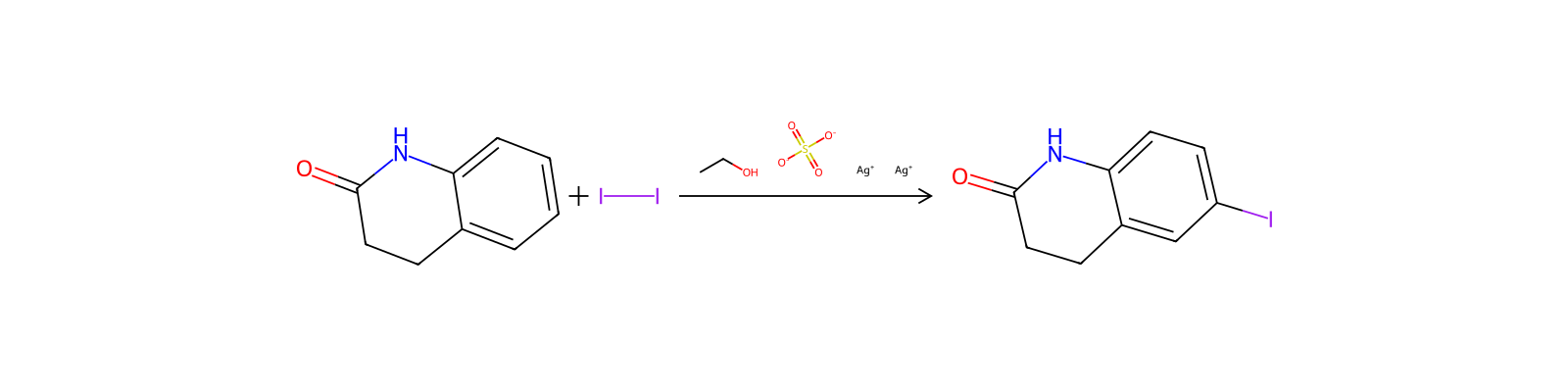
황산은
Silver sulfate
데이터를 보충하는 중입니다. 잠시 후 페이지를 새로 고치면 최신 내용을 볼 수 있습니다
기본 정보
- CAS
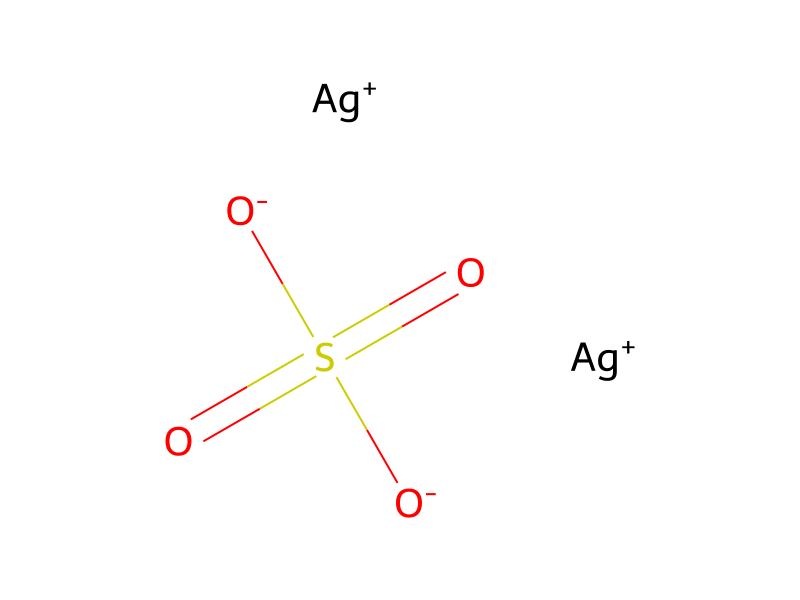
10294-26-5- 표준 SMILES
O=S(=O)([O-])[O-].[Ag+].[Ag+]- InChIKey
YPNVIBVEFVRZPJ-UHFFFAOYSA-L- 분자식
- Ag2SO4
- 평균 분자량
- 311.8 g/mol
- 단동위원소 질량
- 309.76191
개요
Silver sulfate is an odorless white to gray solid. Sinks and mixes with water. (USCG, 1999)
이름 및 식별자
- 우선 이름
- Silver sulfate
- IUPAC
- disilver;sulfate
- 현지명
- 황산은
- 영어명
- Silver sulfate
- 분자식
- Ag2O4S
- 분자량
- 311.8
이름 및 동의어
Silver sulfate10294-26-5Sulphuric acid, silver saltDisilver sulfateDisilver(1+) sulfateDisilver monosulfate19287-89-9Silver sulfate (Ag2SO4)UNII-8QG6HV4ZPO8QG6HV4ZPODISILVER MONOSULPHATESulfuric acid, silver(1+) salt (1:2)
이름 더 보기
은황산염은황산염,보통황산은실버설페이트은황산염황산 은은(I)황산염일황산 이은황산 은 (Ag2SO4)황산 은 염 (1:2)황산 이은황산 이은 (1+)황산 이은 염황산, 은(1+) 염 (1:2)황산, 이은(1+) 염SILVER SULPHATESilver sulfatSILVER(I) SULFATEver suLdisilverdisilver(1+)Siver sulfatedisilversulphateSilverSulphateGr
DISILVER SULPHATESulfuric acid silver salt (1:2)EINECS 233-653-7EINECS 242-941-1SILVER SULFATE [MI]SILVER SULFATE [VANDF]SILVER SULFATE [WHO-DD]DTXSID70172884
데이터베이스 식별자
- CAS
10294-26-5、19287-89-9- PubChem CID
- 159865
- DTXSID
DTXSID70172884- UNII
- 8QG6HV4ZPO
- EC Number
- 233-653-7、242-941-1
- Nikkaji
- J43.610K
물성
구조 계산 물성보충 중
- 극성 표면적
- 88.6 Ų
- 수소 결합 공여자 수
- 0
- 수소 결합 수용자 수
- 4
- 회전 가능 결합 수
- 0
- 무거운 원자 수
- 7
- 형식 전하
- 0
- 복잡도
- 62.2
실험 및 물리화학적 성질
Chemical ClassesMetals -> Metals, Inorganic Compounds
CosmeticsAntimicrobial
Density5.45 at 68 °F (USCG, 1999) - Denser than water; will sink
Physical Description
Silver sulfate is an odorless white to gray solid. Sinks and mixes with water. (USCG, 1999)
Colorless lustrous solid; Turns gray on light exposure; [Hawley] White to gray odorless solid; [CAMEO] Fine white crystals; [MSDSonline] Fairly soluble in water; [Ullmann]
물리화학적 성질
- 녹는점
- 652 °C · 652 °C (lit.)
- 끓는 점
- 1085 °C · 1085 °C
- 밀도
- 5.45 · 5.45
- 인화점
- 1085 °C · 1085°C
- 저장 조건
- Keep in dark place,Sealed in dry,Room Temperature
- 용해도
- 8 g/L · 8g/L
- 물리적 상태
- 고체
- Specific Gravity
- 5.45 · 5.45
- 색상
- 흰색에서 황백색까지
- 수소이온지수(pH)
- 5 · 5-6 (5g/l, H2O, 25℃)
안전 및 규제
안전 정보는 참고용이며, 공급업체의 물질안전보건자료(SDS), 관련 법규 및 전문가 평가를 대체하지 않습니다.
GHS 분류
GHS Classification
This chemical does not meet GHS hazard criteria for 1.3% (3 of 231) of reports.
Danger
H318 (98.3%): Causes serious eye damage [Danger Serious eye damage/eye irritation]
P264+P265, P273, P280, P305+P354+P338, P317, P391, and P501 (click each P-code to see the statement)
Aggregated GHS information provided per 231 reports by companies from 15 notifications to the ECHA C&L Inventory. Each notification may be associated with multiple companies.
Not Classified
유해성 정보
Regulatory Information
Chemical: Sulfuric acid, disilver(1+) salt
REACH registered substance: Disilver(1+) sulphate (EC: 233-653-7)
Silver sulphate: Does not have an individual approval but may be used under an appropriate group standard
Health HazardsContact with eyes causes irritation. If continued for a long period, ingestion or inhalation of silver compounds can cause permanent discoloration of the skin (argyria). (USCG, 1999)
Hazards SummaryAn eye irritant; [CAMEO] Corrosive to eyes; [eChemPortal: ERMA] An irritant; [MSDSonline] See Silver.
Reactive GroupMetals, Less Reactive
Reactivity Profile
SILVER SULFATE has weak oxidizing or reducing powers. Redox reactions can however still occur. The majority of compounds in this class are slightly soluble or insoluble in water. If soluble in water, then the solutions are usually neither strongly acidic nor strongly basic. These compounds are not water-reactive.
Air and Water ReactionsWater soluble.
Hazard Classes and Categories
화학 및 산업
약리 정보
Metabolism/Metabolites
Silver and its compounds can be absorbed via inhalation, while silver compounds can also be absorbed orally and dermally. It distributes throughout the body in the blood, particularily to the liver. Insoluble silver salts are transformed into soluble silver sulfide albuminates, bind to amino or carboxyl groups in RNA, DNA, and proteins, or are reduced to metallic silver by ascorbic acid or catecholamines. Metallic silver is oxidized and may deposit in the tissues, causing arygria. Silver is eliminated primarily in the faeces. (L808)
용도 및 제조
Uses
Used as lab reagent; [Hawley]
Silver sulfate is used in silver plating. (L828)
Use ClassificationCosmetics -> Antimicrobial
General Manufacturing InformationSulfuric acid, silver(1+) salt (1:2): ACTIVE
응용 분야
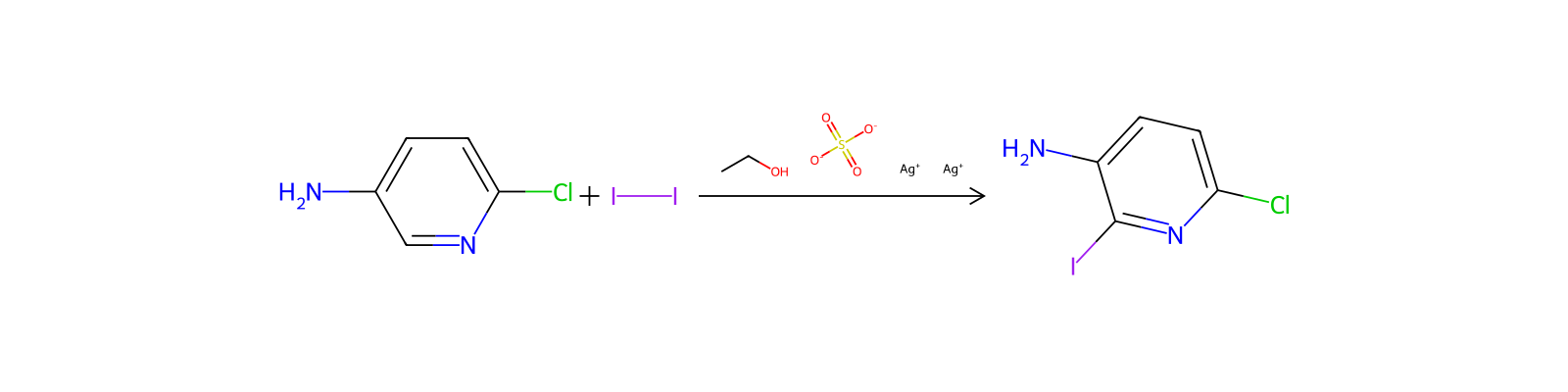
용도Silver sulfate is used as a catalyst to oxidize long chain aliphatic hydrocarbons in the determination of chemical oxygen demand (COD). It serves as a catalyst in wastewater treatment and aids in the production of nanostructured metallic layers beneath Langmuir monolayers.
일반 설명Silver sulfate is an odorless white to gray solid. Sinks and mixes with water. (USCG, 1999)
제조 방법
Silver sulfate is precipitated by adding sulfuric acid to a solution of silvernitrate:2Ag+(aq) + SO42- (aq) → Ag2SO4 (s) The precipitate is washed with hot water and preparation is under ruby red illumination.
상·하류 제품 정보
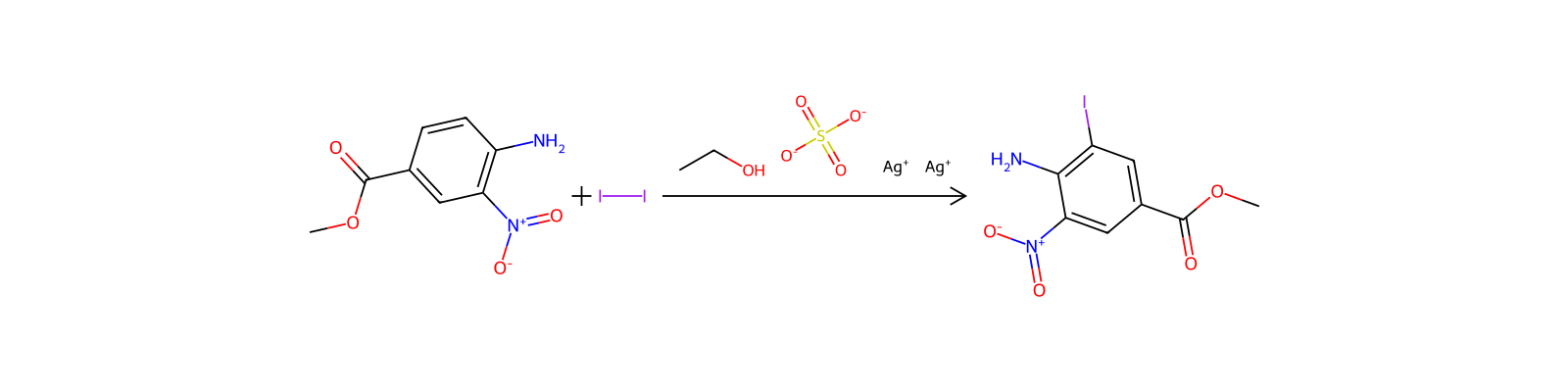
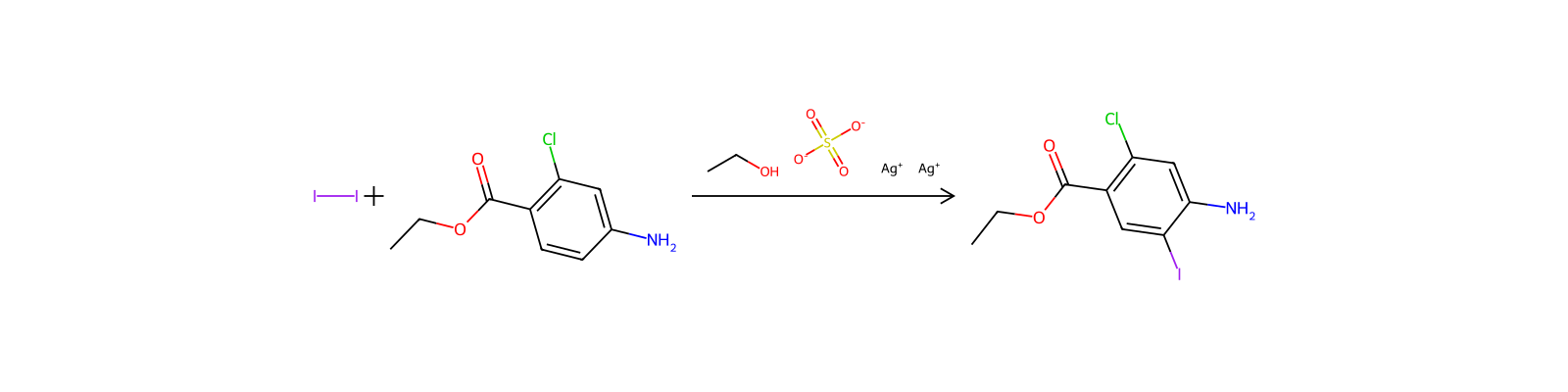
관련 반응
37건




화합물 노트
불러오는 중…