
기본 정보
- 표준 SMILES
O=C(O)CCCC[C@@H]1SC[C@@H]2NC(=O)N[C@@H]21- InChIKey
YBJHBAHKTGYVGT-ZKWXMUAHSA-N- 분자식
- C10H16N2O3S
- 평균 분자량
- 244.31 g/mol
- 단동위원소 질량
- 244.08816355
이름 및 식별자
- 우선 이름
- Biotin
- IUPAC
- 5-[(3aS,4S,6aR)-2-oxo-1,3,3a,4,6,6a-hexahydrothieno[3,4-d]imidazol-4-yl]pentanoic acid
이름 및 동의어
biotind-biotin58-85-5vitamin HVitamin B7Bioepidermcoenzyme RFactor SBios IID(+)-BiotinD-(+)-Biotin(+)-Biotin
이름 더 보기
BiotineBiotinaFactor S (vitamin)Injacom HBiotinumVitamin BwRitatin1H-thieno[3,4-d]imidazole-4-pentanoic acid, hexahydro-2-oxo-, (3aS,4S,6aR)-
데이터베이스 식별자
- CAS
56846-45-8、58-85-5- PubChem CID
- 171548
- ChEMBL
CHEMBL857- ChEBI
CHEBI:15956- UNII
- 6SO6U10H04
- EC Number
- 200-399-3
- Nikkaji
- J94.599D
물성
구조 계산 물성
- XLogP
- 0.3
- 극성 표면적
- 104 Ų
- 수소 결합 공여자 수
- 3
- 수소 결합 수용자 수
- 4
- 회전 가능 결합 수
- 5
- 무거운 원자 수
- 16
- 형식 전하
- 0
- 복잡도
- 298
실험 및 물리화학적 성질
LogP0.5
Color/Form
Long, thin needles from water
Colorless, crystalline
Solubility
220
SOL IN ACETONE; DISSOLVES ABOUT 1 PART/100 IN METHANOL; SOL IN METHYL ETHYL KETONE, BENZENE, CYCLOHEXENE; INSOL IN SATURATED & PARAFFIN HYDROCARBONS /METHYL ESTER/
HIGHLY SOL IN WATER /SODIUM SALT/
Insol in naphtha
Slightly sol in chloroform and ether
Biotin is slightly soluble in water and alcohol (its salts are quite soluble).
DecompositionEmits toxic fumes of NOx and SOx when heated to decomp.
Melting Point
232
232 °C (decomposes)
CRYSTALS. MELTING POINT 166.5 °C; SPECIFIC OPTICAL ROTATION +82 DEG @ 15 °C/D (7.5 MG IN 1.28 G METHANOL) /METHYL ESTER/
Melting point = 231-233 °C for 99% pure (+)-biotin
232 °C
Vapor Pressure0.00000001 [mmHg]
Optical Rotation
Specific optical rotation: +92 deg at 22 °C (c=1 at 0.4% NaOH)
The specific optical rotation is +91.1 deg at 18 °C (c=1, 0.1 N NaOH) for 99% pure (+)-biotin.
Physical Description
Solid; [Merck Index] White powder; [Sigma-Aldrich MSDS]
Solid
Stability/Shelf Life
PURE CMPD IS STABLE TO AIR & TEMP; MODERATELY ACID & NEUTRAL SOLN ARE STABLE SEVERAL MO; ALKALINE REASONABLY STABLE TO PH 9
STABILITY IN DRY PRODUCTS IS EXCELLENT; PHARMACEUTICAL LIQ PRODUCTS INDICATE LOSSES OF 0-8% @ PH 5-8 AFTER 1 YR @ ROOM TEMP
PHARMACEUTICAL LIQ LOSSES: 6-12% @ PH 4.1-4.3, 15-20 @ PH 3.3-3.6 AFTER 1 YR @ ROOM TEMP
UNSTABLE IN STRONG ACIDS
For more Stability/Shelf Life (Complete) data for BIOTIN (7 total), please visit the HSDB record page.
Collision Cross Section
160.1 Ų [M+K]+ [CCS Type: DT; Method: single field calibrated with ESI Low Concentration Tuning Mix (Agilent)];149.7 Ų [M+H]+ [CCS Type: DT; Method: single field calibrated with ESI Low Concentration Tuning Mix (Agilent)];155.4 Ų [M-H]- [CCS Type: DT; Method: single field calibrated with ESI Low Concentration Tuning Mix (Agilent)];152.9 Ų [M+Na-2H]- [CCS Type: DT; Method: single field calibrated with ESI Low Concentration Tuning Mix (Agilent)];159.9 Ų [M+Na]+ [CCS Type: DT; Method: single field calibrated with ESI Low Concentration Tuning Mix (Agilent)]
148 Ų [M+H]+ [CCS Type: TW; Method: calibrated with polyalanine and drug standards]
152.96 Ų [M-H]- [CCS Type: DT; Method: single field calibrated with Agilent tune mix (Agilent)];150.4 Ų [M+H]+ [CCS Type: DT; Method: single field calibrated with Agilent tune mix (Agilent)]
147.28 Ų [M+H]+ [CCS Type: TW; Method: calibrated with polyalanine and drug standards];161.66 Ų [M+K]+ [CCS Type: TW; Method: calibrated with polyalanine and drug standards];141.72 Ų [M+H-H2O]+ [CCS Type: TW; Method: calibrated with polyalanine and drug standards];154.88 Ų [M+Na]+ [CCS Type: TW; Method: calibrated with polyalanine and drug standards]
164.45 Ų [M+Na]+ [CCS Type: DT; Method: stepped-field];154.16 Ų [M+H]+ [CCS Type: DT; Method: stepped-field];159.72 Ų [M-H]- [CCS Type: DT; Method: stepped-field]
161.6 Ų [M+Na]+;157.1 Ų [M-H]-;151.4 Ų [M+H]+;160.6 Ų [M+K]+;152.9 Ų [M-2H+Na]-
Other Experimental Properties
Fine long needles. Melting point: 232-3 °C. pH 0.01% aq soln: 4.5. Isoelectric point pH: 3.5. Solubility in water, 2.20X10+2 mg/L at 25 °C. More sol in hot water and dil alkali; in 95% alc about 80 mg/100 ml at 25 °C; insol in other common org solvents. Specific optical rotation +91 deg at 21 °C (c=1, 0.1 N NaOH). The pure compd is stable to air and temp /Milk or liver biotin/
Water solutions are stable at 100 °C, and the dry substance is both thermostable and photostable. Biotin is unstable, however, in strong acids and alkaline solutions and in oxidizing agents.
안전 및 규제
GHS 분류
GHS Classification
This chemical does not meet GHS hazard criteria for 99.6% (265 of 266) of all reports.
Not Classified;Reported as not meeting GHS hazard criteria by 265 of 266 companies (only 0.4% companies provided GHS information). For more detailed information, please visit ECHA C&L website.
Aggregated GHS information provided per 266 reports by companies from 3 notifications to the ECHA C&L Inventory.;Reported as not meeting GHS hazard criteria per 265 of 266 reports by companies.;There is 1 notification provided by 1 of 266 reports by companies with hazard statement code(s).;Information may vary between notifications depending on impurities, additives, and other factors. The percentage value in parenthesis indicates the notified classification ratio from companies that provide hazard codes. Only hazard codes with percentage values above 10% are shown. For more detailed information, please visit ECHA C&L website.
유해성 정보
Regulatory Information
Chemical: 1H-Thieno[3,4-d]imidazole-4-pentanoic acid, hexahydro-2-oxo-, (3aS,4S,6aR)-
Regulation (EC) No 178/2002 (amended)
Biotin: Does not have an individual approval but may be used under an appropriate group standard
Other Safety InformationEvaluation - Chemicals that are unlikely to require further regulation to manage risks to environment
Hazards SummaryMay cause irritation; [Sigma-Aldrich MSDS]
FDA Requirements
Biotin used as a nutrient and/or dietary supplement in animal drugs, feeds, and related products is generally recognized as safe when used in accordance with good manufacturing or feeding practice.
Biotin used as a nutrient in food for human consumption is generally recognized as safe when used in accordance with good manufacturing practice.
Drug products containing certain active ingredients offered over-the-counter (OTC) for certain uses. A number of active ingredients have been present in OTC drug products for various uses, as described below. However, based on evidence currently available, there are inadequate data to establish general recognition of the safety and effectiveness of these ingredients for the specified uses: biotin is included in weight control drug products.
The Approved Drug Products with Therapeutic Equivalence Evaluations List identifies currently marketed prescription drug products, incl biotin, approved on the basis of safety and effectiveness by FDA under sections 505 of the Federal Food, Drug, and Cosmetic Act.
Toxic Combustion ProductsEmits toxic fumes of NOx and SOx when heated to decomp.
Hazard Classes and CategoriesNot Classified
Hazardous Reactivities and IncompatibilitiesIncompatible with nitrous acid, oxidizing agents, formaldehyde, strong acid, or alkali.
안전 및 보호
Storage ConditionsCapsules and Tablets: Store below 40 °C (104 °F), preferably between 15 and 30 °C (59 and 86 °F), unless otherwise specified by manufacturer.
Disposal Methods
SRP: The most favorable course of action is to use an alternative chemical product with less inherent propensity for occupational exposure or environmental contamination. Recycle any unused portion of the material for its approved use or return it to the manufacturer or supplier. Ultimate disposal of the chemical must consider: the material's impact on air quality; potential migration in soil or water; effects on animal, aquatic, and plant life; and conformance with environmental and public health regulations.
독성 정보
Interactions
Carbamazepine, phenytoin, and phenobarbital can accelerate biotin metabolism and may cause reduced biotin status. Long-term use of carbamazepine, phenytoin, phenobarbital and primidone has been associated with reduced plasma concentrations of biotin.
Antibiotic use may decrease the biotin contribution to the body made by the microflora of the large intestine.
Groups of Holtzman rats were mated and the gravid females were dosed sc with 100 mg D(+)-biotin in 0.2 mL of 0.1 N NaOH/kg body weight on days 0 and 1 of gestation. Nine animals were dosed with biotin only, 7 were given biotin and 0.1 ug 17(beta)-estradiol in 0.05 mL olive oil sc on days 5 to 20 of gestation, and 7 were given biotin and 4 mg progesterone in 0.2 mL olive oil sc on days 5 to 20 of gestation. Nine gravid animals were untreated and used as a negative-control group. Three groups of 6 nongravid animals were dosed in the same manner as the gravid animals and used as nonpregnant treated controls. The animals were killed and examined on day 21 of gestation. Complete resorption of the fetuses occurred in 8 of the 9 rats dosed with biotin only; dosing with estrogen or progesterone prevented the resorptions. Fetal and placental weights from animals dosed with biotin and estrogen or progesterone were decr as compared to controls, but the decr was not statistically significant. Biotin caused a decr in body weights of gravid and nongravid animals; body weights of gravid animals given biotin and progesterone were similar to gravid untreated control, whereas body weights of gravid animals given biotin and estrogen were incr. The uterine weights of gravid animals given biotin and estrogen were similar to that of gravid untreated controls, whereas the uterine weights of animals dosed with biotin and progesterone were statistically significantly decr.
...Groups of Holtzman rats were mated, and gravid females were dosed with 100 mg D(+)-biotin in 0.2 mL of 0.1 N NaOH/kg body weight on days 13 and 14 of gestation. Eleven animals were dosed with biotin only, 7 were given biotin and 0.1 ug 17(beta)-estradiol in 0.05 mL olive oil sc until day 20 of gestation, and 7 were given biotin and 4 mg progesterone in 0.2 mL olive oil sc until day 20 of gestation. Nine gravid animals were untreated and used as a negative-control group. The animals were killed and examined on day 21 of gestation. Resorptions occurred in 2 of the 11 animals dosed with biotin only. The maternal body weights and the fetal, uterine, and placental weights of the remaining 9 animals of this group were statistically significantly decr as compared to controls. The maternal body weights and the fetal, uterine, and placental weights of the animals dosed with biotin and estrogen and the maternal body weights and uterine weights of the animals dosed with biotin and progesterone were similar to control values. Hepatic and ovarian weights were similar for animals of the test and control groups.
For more Interactions (Complete) data for BIOTIN (6 total), please visit the HSDB record page.
Adverse Effects
Biotin consumption for beneficial means remains unclear, but it has been considered a very difficult drug to overdose on or cause injury to the body. When taking anticonvulsants such as carbamazepine or phenobarbital, the requirements for biotin increase due to these medications inhibiting uptake into the brush borders of membrane vesicles. Smoking also metabolizes biotin quickly; therefore, increased doses may be warranted when indicated if the patient is a smoker. Information on other drug interactions is minimal. There have been no reported injuries for taking too much biotin, but there are documented cases of biotin deficiency.;Biotin can interfere with some hormone assays. In immunoassays using the streptavidin-biotin interaction, the interference may induce both false-positive and false-negative results. The hormone levels affected may include thyroid functions, gonadotrophins, and vitamin D.
Exposure RoutesOral.
Systemic - approximately 50%
Milk Concentrations
The current recommendation for safe and adequate daily dietary intake of biotin for infants is based on measurements of biotin concentration in human milk and calculations of biotin intake that tacitly assume that biotin content of human milk is reasonably uniform for a given subject. This assumption of uniformity was tested by examining the effects of several factors on the biotin concentration. The degree of breast emptying had little effect on biotin concentration. However, in three of five individuals studied, the biotin concentration varied significantly over 24 hr. In two of five subjects, there was a consistent difference between breasts of approximately 16%. In the first 18 day postpartum, the milk concentration of biotin increased steadily in four of the eight individuals studied, remained low in two and increased erratically in two. Rather than reaching a stable plateau in mature milk, biotin concentration varied substantially in most of the subjects. These observations provide evidence that an adequate scheme for estimating total biotin intake of the breastfed infant will require sampling from both breasts frequently over the 24-hr cycle and frequently as a function of time postpartum.
Because estimates of the biotin requirement for infants currently are based on the biotin concentration in human milk, we sought to determine whether inactive biotin metabolites are present. Samples were collected for 7 weeks post partum from 15 healthy women. Biotin and the inactive metabolites bisnorbiotin and biotin sulfoxide were measured by means of a high-performance liquid chromatography avidin-binding assay. At 8 days post partum the proportion of biotin was 44%, bisnorbiotin 48%, and biotin sulfoxide 8%. Although biotin content increased post partum (p less than 0.003), the metabolites remained an important portion of the total providing evidence that accurate measurement of biotin in human milk requires an assay that is specific for biotin.
Toxicity Summary
Safe in the present practices of use and concentration. Ingredient, concentration, and use information are available in documents discoverable at https://cir-reports.cir-safety.org
There is no specific antidote for overdosing on biotin. Excess in the body is rare, and since biotin is a water-soluble vitamin, it is excreted in the urine when in excess. Signs and symptoms of biotin overdose may include and are not limited to insomnia, excessive thirst, and urination. Since biotin has documentation in playing a role in postprandial glucose control, it bears mention that excess would cause signs and symptoms of a person experiencing hyperglycemia (e.g., increased thirst). Diabetic patients should, therefore, be cautious before taking biotin. Although not impossible, it would be very difficult to overdose on biotin. Anaphylaxis is always a common concern with any medication but would present with systemic signs and symptoms. In rare cases, eosinophilic pleuropericardial effusion, a life-threatening condition, may occur. Poison control centers should always be contacted with a suspected overdose.
Biotin is necessary for the proper functioning of enzymes that transport carboxyl units and fix carbon dioxide, and is required for various metabolic functions, including gluconeogenesis, lipogenesis, fatty acid biosynthesis, propionate metabolism, and catabolism of branched-chain amino acids.
Signs and SymptomsProlonged skin contact may cause irritation.
Natural Pollution Sources
Growth factor present in very minute amt in every living cell. Plays in indispensable role in numerous naturally occurring carboxylation reactions. Occurs mainly bound to proteins or polypeptides. Richest sources are liver, kidney, pancreas, yeast, and milk. Biotin content of cancerous tumors is higher than that of normal tissue.
... biotin acts as a coenzyme for the body's carboxylation reaction and is a factor in maintaining healthy muscle, hair, nails, and skin.
BIOTIN IS PRESENT IN MOLASSES...NUTS, VEGETABLES & GRAINS. NATURALLY OCCURRING ISOMER IS D-BIOTIN; L-BIOTIN HAS NO BIOLOGICAL ACTIVITY.
Human Toxicity Excerpts
/OTHER TOXICITY INFORMATION/ Biotin toxicity has not been reported in man despite administration of large amounts for as long as 6 months.
/OTHER TOXICITY INFORMATION/ Biotin-responsive basal ganglia disease (BBGD) is a recessive disorder with childhood onset that presents as a subacute encephalopathy, with confusion, dysarthria, and dysphagia, and that progresses to severe cogwheel rigidity, dystonia, quadriparesis, and eventual death, if left untreated. BBGD symptoms disappear within a few days with the administration of high doses of biotin (5 to 10 mg/kg/day). On brain magnetic resonance imaging examination, patients display central bilateral necrosis in the head of the caudate, with complete or partial involvement of the putamen. All patients diagnosed to date are of Saudi, Syrian, or Yemeni ancestry, and all have consanguineous parents. Using linkage analysis in four families ... /the authors/ mapped the genetic defect near marker D2S2158 in 2q36.3 (LOD=5.9; theta=0.0) to a minimum candidate region (approximately 2 Mb) between D2S2354 and D2S1256, on the basis of complete homozygosity. In this segment, each family displayed one of two different missense mutations that altered the coding sequence of SLC19A3, the gene for a transporter related to the reduced-folate (encoded by SLC19A1) and thiamin (encoded by SLC19A2) transporters.
Carcinogen ClassificationNo indication of carcinogenicity to humans (not listed by IARC).
Non-Human Toxicity Excerpts
/LABORATORY ANIMALS: Acute Exposure/ Application of 0.1% d-biotin, pH 7.3, to the eye of rabbits was reported to produce only slight and transient irritation, but details of the study were not provided.[Fiume MZ, Cosmetic Ingredient Review Expert Panel; Int J Toxicol 20 (Suppl 4):1-12 (2001)]
/LABORATORY ANIMALS: Acute Exposure/ Intramuscular injection of 0.5 or 1.0 mL of 0.1% d-biotin into rabbits did not produce irritation.[Fiume MZ, Cosmetic Ingredient Review Expert Panel; Int J Toxicol 20 (Suppl 4):1-12 (2001)]
/LABORATORY ANIMALS: Acute Exposure/ Intradermal injection of 0.1 cc biotin into the abdominal skin of guinea pigs did not produce irritation at the site of the injection.[Fiume MZ, Cosmetic Ingredient Review Expert Panel; Int J Toxicol 20 (Suppl 4):1-12 (2001)]
/LABORATORY ANIMALS: Subchronic or Prechronic Exposure/ Groups of Mongolian gerbils (number per group not stated) fed a normal or hypercholesterolemic diet were dosed orally with 1 mg/kg biotin for 3 or 6 wk. At study termination, body weights, adrenal gland weight, liver weight, serum lipids, adrenal gland and hepatic cholesterol, and fecal lipid excretion were determined. Consistently significant changes in serum free fatty acids, triglycerides, or cholesterol were not observed, and little change in adrenal glands or hepatic cholesterol was observed. Body weights of the animals fed normal diet and dosed for 6 wk were significantly decr as compared to control values.[Fiume MZ, Cosmetic Ingredient Review Expert Panel; Int J Toxicol 20 (Suppl 4):1-12 (2001)]
For more Non-Human Toxicity Excerpts (Complete) data for BIOTIN (16 total), please visit the HSDB record page.
Antidote and Emergency Treatment
/SRP:/ Basic treatment: Establish a patent airway (oropharyngeal or nasopharyngeal airway, if needed). Suction if necessary. Watch for signs of respiratory insufficiency and assist ventilations if needed. Administer oxygen by nonrebreather mask at 10 to 15 L/min. Monitor for pulmonary edema and treat if necessary ... . Monitor for shock and treat if necessary ... . Anticipate seizures and treat if necessary ... . For eye contamination, flush eyes immediately with water. Irrigate each eye continuously with 0.9% saline (NS) during transport ... . Do not use emetics. For ingestion, rinse mouth and administer 5 ml/kg up to 200 ml of water for dilution if the patient can swallow, has a strong gag reflex, and does not drool ... . Cover skin burns with dry sterile dressings after decontamination ... . /Poisons A and B/
/SRP:/ Advanced treatment: Consider orotracheal or nasotracheal intubation for airway control in the patient who is unconscious, has severe pulmonary edema, or is in severe respiratory distress. Positive-pressure ventilation techniques with a bag valve mask device may be beneficial. Consider drug therapy for pulmonary edema ... . Consider administering a beta agonist such as albuterol for severe bronchospasm ... . Monitor cardiac rhythm and treat arrhythmias as necessary ... . Start IV administration of D5W /SRP: "To keep open", minimal flow rate/. Use 0.9% saline (NS) or lactated Ringer's if signs of hypovolemia are present. For hypotension with signs of hypovolemia, administer fluid cautiously. Watch for signs of fluid overload ... . Treat seizures with diazepam or lorazepam ... . Use proparacaine hydrochloride to assist eye irrigation ... . /Poisons A and B/
Non-Human Toxicity Values
LD50 Rat oral >1.45 mmol/kg
LD50 Mouse oral >10 g/kg
규제 정보
Regulatory Information
Chemical: 1H-Thieno[3,4-d]imidazole-4-pentanoic acid, hexahydro-2-oxo-, (3aS,4S,6aR)-
Regulation (EC) No 178/2002 (amended)
Biotin: Does not have an individual approval but may be used under an appropriate group standard
FDA Requirements
Biotin used as a nutrient and/or dietary supplement in animal drugs, feeds, and related products is generally recognized as safe when used in accordance with good manufacturing or feeding practice.
Biotin used as a nutrient in food for human consumption is generally recognized as safe when used in accordance with good manufacturing practice.
Drug products containing certain active ingredients offered over-the-counter (OTC) for certain uses. A number of active ingredients have been present in OTC drug products for various uses, as described below. However, based on evidence currently available, there are inadequate data to establish general recognition of the safety and effectiveness of these ingredients for the specified uses: biotin is included in weight control drug products.
The Approved Drug Products with Therapeutic Equivalence Evaluations List identifies currently marketed prescription drug products, incl biotin, approved on the basis of safety and effectiveness by FDA under sections 505 of the Federal Food, Drug, and Cosmetic Act.
화학 및 산업
약리 정보
ATC Code
A - Alimentary tract and metabolism;A11 - Vitamins;A11H - Other plain vitamin preparations;A11HA - Other plain vitamin preparations;A11HA05 - Biotin
QA - Alimentary tract and metabolism;QA11 - Vitamins;QA11H - Other plain vitamin preparations;QA11HA - Other plain vitamin preparations;QA11HA05 - Biotin
Bionecessity
... /BIOTIN/ IS ESSENTIAL IN SYNTHESIS OF FATTY ACIDS, PROTEINS, PURINES, CARBAMYLS, & DICARBOXYLIC ACID ... /IN/ POTASSIUM METAB ... /IN/ SKIN, NERVOUS SYSTEM, ADRENAL, THYROID, REPRODUCTIVE FUNCTIONS, & IN NUMEROUS VIT (B5, B6, C & FOLIC ACID) INTERRELATIONSHIPS.
BIOTIN ... IS ... PRESUMED TO BE A DIETARY ESSENTIAL IN ABSENCE OF ADEQUATE MICROBIAL SYNTHESIS IN INTESTINE.
Biotin deficiency may lead to dermatitis, alopecia, hypercholesterolemia, and cardiac abnormalities.
Requirements may be increased and/or supplementation may be necessary in the following conditions (based on documented biotin deficiency): Biotinidase deficiency, gastrectomy, or seborrheic dermatitis of infancy
For more Bionecessity (Complete) data for BIOTIN (31 total), please visit the HSDB record page.
Pharmacodynamics
Biotin is a water-soluble B-complex vitamin which is composed of an ureido ring fused with a tetrahydrothiophene ring, which attaches a valeric acid substituent at one of its carbon atoms. Biotin is used in cell growth, the production of fatty acids, metabolism of fats, and amino acids. It plays a role in the Kreb cycle, which is the process in which energy is released from food. Biotin not only assists in various metabolic chemical conversions, but also helps with the transfer of carbon dioxide. Biotin is also helpful in maintaining a steady blood sugar level. Biotin is often recommended for strengthening hair and nails. Consequenty, it is found in many cosmetic and health products for the hair and skin. Biotin deficiency is a rare nutritional disorder caused by a deficiency of biotin. Initial symptoms of biotin deficiency include: Dry skin, Seborrheic dermatitis, Fungal infections, rashes including erythematous periorofacial macular rash, fine and brittle hair, and hair loss or total alopecia. If left untreated, neurological symptoms can develop, including mild depression, which may progress to profound lassitude and, eventually, to somnolence; changes in mental status, generalized muscular pains (myalgias), hyperesthesias and paresthesias. The treatment for biotin deficiency is to simply start taking some biotin supplements. A lack of biotin in infants will lead to a condition called seborrheic dermatitis or "cradle cap". Biotin deficiencies are extremely rare in adults but if it does occur, it will lead to anemia, depression, hair loss, high blood sugar levels, muscle pain, nausea, loss of appetite and inflamed mucous membranes.
Mechanism of Action
Biotin is necessary for the proper functioning of enzymes that transport carboxyl units and fix carbon dioxide, and is required for various metabolic functions, including gluconeogenesis, lipogenesis, fatty acid biosynthesis, propionate metabolism, and catabolism of branched-chain amino acids.
In human tissues biotin is a cofactor for the enzymatic carboxylation of four substrates: pyruvate, acetyl coenzyme A (CoA), propionyl CoA, and beta-methylcrotonyl CoA. As such, it plays an important role in both carbohydrate and fat metabolism. Carbon dioxide fixation occurs in a two-step reaction, the first involving binding of carbon dioxide to the biotin moiety of the holoenzyme, and the second involving transfer of the biotin-bound carbon dioxide to an appropriate acceptor.
Biotin functions in carbon dioxide fixation reactions in intermediate metabolism, transferring the carboxyl group to acceptor molecules. It acts similarly in decarboxylation reactions. Biotin is essential in human metabolism for its part in the previously described enzymatic steps, in catalyzing deamination of amino acids, and in oleic acid synthesis. Biotin is a cofactor for the enzymatic carboxylation of pyruvate, acetyl coenzyme A (CoA), propionyl CoA, and beta-methylcrotonyl CoA, and, therefore, plays an important role in carbohydrate and fat metabolism.
Protein folding in the endoplasmic reticulum (ER) depends on Ca2+; uptake of Ca2+ into the ER is mediated by sarco/endoplasmic reticulum Ca2+-ATPase 3 (SERCA3). The 5'-flanking region of the SERCA3 gene (ATP2A3) contains numerous binding sites for the transcription factors Sp1 and Sp3. Biotin affects the nuclear abundance of Sp1 and Sp3, which may act as transcriptional activators or repressors. Here we determined whether biotin affects the expression of the SERCA3 gene and, thus, protein folding in human lymphoid cells. Jurkat cells were cultured in media containing 0.025 nmol/L biotin (denoted "deficient") or 10 nmol/L biotin ("supplemented"). The transcriptional activity of the full-length human SERCA3 promoter was 50% lower in biotin-supplemented cells compared to biotin-deficient cells. Biotin-dependent repressors bind to elements located 731 to 1312 bp upstream from the transcription start site in the SERCA3 gene. The following suggest that low expression of SERCA3 in biotin-supplemented cells impaired folding of secretory proteins in the ER, triggering unfolded protein response: (i) sequestration of Ca2+ in the ER decreased by 14 to 24% in response to biotin supplementation; (ii) secretion of interleukin-2 into the extracellular space decreased by 75% in response to biotin supplementation; (iii) the nuclear abundance of stress-induced transcription factors increased in response to biotin supplementation; and (iv) the abundance of stress-related proteins such ubiquitin activating enzyme 1, growth arrest and DNA damage 153 gene, X-box binding protein 1 and phosphorylated eukaryotic translation initiation factor 2alpha increased in response to biotin supplementation. Collectively, this study suggests that supplements containing pharmacological doses of biotin may cause cell stress by impairing protein folding in the ER.
Evidence is emerging that biotin participates in processes other than classical carboxylation reactions. Specifically, novel roles for biotin in cell signaling, gene expression, and chromatin structure have been identified in recent years. Human cells accumulate biotin by using both the sodium-dependent multivitamin transporter and monocarboxylate transporter 1. These transporters and other biotin-binding proteins partition biotin to compartments involved in biotin signaling: cytoplasm, mitochondria, and nuclei. The activity of cell signals such as biotinyl-AMP, Sp1 and Sp3, nuclear factor (NF)-kappaB, and receptor tyrosine kinases depends on biotin supply. Consistent with a role for biotin and its catabolites in modulating these cell signals, greater than 2000 biotin-dependent genes have been identified in various human tissues. Many biotin-dependent gene products play roles in signal transduction and localize to the cell nucleus, consistent with a role for biotin in cell signaling. Posttranscriptional events related to ribosomal activity and protein folding may further contribute to effects of biotin on gene expression. Finally, research has shown that biotinidase and holocarboxylase synthetase mediate covalent binding of biotin to histones (DNA-binding proteins), affecting chromatin structure; at least seven biotinylation sites have been identified in human histones. Biotinylation of histones appears to play a role in cell proliferation, gene silencing, and the cellular response to DNA repair. Roles for biotin in cell signaling and chromatin structure are consistent with the notion that biotin has a unique significance in cell biology.
Metabolism/Metabolites
Biotin is excreted in the urine as biotin, bisnorbiotin, biotin sulfoxide, biotin sulfone, bisnorbiotin methyl ketone and tetranobiotin-1-sulfoxide.
Biotin is catabolized to a number of different metabolites, including bisnorbiotin, biotin sulfoxide, biotin sulfone, bisonorbiotin methylketone and tetranorbiotin-1-sulfoxide.
More than 95% of the biotin is free in the skim fraction of human milk. The concentration of biotin varies substantially in some women and exceeds that in serum by one to two order of magnitude, suggesting that there is a transport system into milk. The biotin metabolite bisnorbiotin accounts for approximately 50%. In early and transitional human milk, the biotin metabolite biotin sulfoxide accounts for about 10% of the total biotin plus metabolites. With postpartum maturation, the biotin concentration increases, but the bisnorbiotin and biotin sulfoxide concentrations still account for 25% and 8% at 5 weeks postpartum. Current studies provide no evidence for a soluble biotin-binding protein or any other mechanism that traps biotin in human milk.
On a molar basis, biotin accounts for approximately half of the total avidin-binding substances in human serum and urine. Biocytin, bisnorbiotin, bisnorbiotin methylketone, biotin sulfoxide, and biotin sulfone form most of the balance. Biotin metabolism is accelerated in some individuals by anticonvulsants and during pregnancy, thereby increasing the ratio of biotin metabolites to biotin excreted in urine.
An alternate fate to being incorporated into carboxylases or unchanged excretion is catabolism to an inactive metabolite before excretion in urine. About half of biotin undergoes metabolism before excretion. Two principal pathways of biotin catabolism have been identified in mammals. In the first pathway, the valeric acid side chain of biotin is degraded by beta oxidation. This leads to the formation of bisnorbiotin, tetranorbiotin, and related intermediates that are known to result from beta-oxidation of fatty acids. The cellular site of this beta-oxidation of biotin is uncertain. Nonenzymatic decarboxylation of the unstable beta-ketobiotin and beta-keto-bisnorbiotin leads to formation of bisnorbiotin methylketone and tetranorbiotin methylketone, which appear in urine. In the second pathway, the sulfur in the thiophane ring of biotin is oxidized, leading to the formation of biotin L-sulfoxide, biotin D-sulfoxide, and biotin sulfone. Combined oxidation of the ring sulfur and beta-oxidation of the side chain lead to metabolites such as bisnorbiotin sulfone. In mammals, degradation of the biotin ring to release carbon dioxide and urea is quantitatively minor.
FDA Pharmacological Classification
BIOTIN
Arteriolar Vasodilator [EPC]; Arteriolar Vasodilation [PE]
MeSH Pharmacological ClassificationA group of water-soluble vitamins, some of which are COENZYMES.
Absorption, Distribution and Excretion
Systemic - approximately 50%
The intestine is exposed to biotin from a few sources: the diet, biotin supplements and biotin synthesized by bacteria in the large intestine. Dietary biotin exists in free and protein-bound forms. Protein-bound biotin is digested by proteases and peptidases to biotin-containing oligopeptides and biocytin (epsilon-N-biotinyl-L-lysine). Biocytin and the biotin-containing oligopeptides are converted to biotin via the enzyme biotinidase. Biotin - both dietary-derived biotin and supplementary biotin - is efficiently absorbed from the small intestine. At doses of biotin derived from food, biotin appears to be transported into enterocytes by a sodium -dependent carrier. At higher doses of biotin,absorption appears to occur by passive diffusion. Absorption of the biotin produced by the colonic microflora, appears to occur by a carrier mediated process in the proximal large intestine.
Elimination: Primarily in urine.
Protein binding: Primarily to plasma proteins.
Absorption: approximately 50%.
For more Absorption, Distribution and Excretion (Complete) data for BIOTIN (32 total), please visit the HSDB record page.
Tissue LocationsAll Tissues;Prostate
Cellular LocationsCytoplasm;Extracellular;Mitochondria;Nucleus
Metabolite Pathways
2-Hydroxyglutric Aciduria (D And L Form);2-ketoglutarate dehydrogenase complex deficiency;2-Methyl-3-Hydroxybutryl CoA Dehydrogenase Deficiency;3-Hydroxy-3-Methylglutaryl-CoA Lyase Deficiency;3-hydroxyisobutyric acid dehydrogenase deficiency;3-hydroxyisobutyric aciduria;3-Methylcrotonyl Coa Carboxylase Deficiency Type I;3-Methylglutaconic Aciduria Type I;3-Methylglutaconic Aciduria Type III;3-Methylglutaconic Aciduria Type IV;Total 76 pathways, visit the HMDB page for details
용도 및 제조
Uses
CIR ingredient: Biotin
An enzyme cofactor and growth factor in every living cell; Used as a therapeutic vitamin; [Merck Index] Used as a medication, dietary supplement, in animal feeds, and in cosmetics as a conditioning agent for hair and skin; [HSDB] Used as a nutritional supplement and sequestrant for foods; [FDA] Permitted for use as an inert ingredient in non-food pesticide products; [EPA]
Farming (Feed Additives) [Category: Industry]
... Recommended for first-line treatment of weak, brittle, splitting, or soft nails /Appearex/
MEDICATION
MEDICATION (VET):
Impurities
Biotin, which is to be not less than 97.5% and more than 100.5% by assay, may contain < 3 ppm arsenic and < 10 ppm heavy metals (as Pb) ...
One company requires that biotin contain <0.25% diamino derivative, biotinylbiotin, and monobenzyl biotin ... /Another company/ reports that biotin contains <10 mg/kg heavy metals (as Pb).
U.S. Exports
(1972) No Data
(1975) No Data
U.S. Imports
(1972) No Data
(1975) No Data
U.S. Production
(1972) PROBABLY GREATER THAN 4.54X10+5 GRAMS
(1975) PROBABLY GREATER THAN 4.54X10+5 GRAMS
Methods of Manufacturing
ISOLATED FROM LIVER, KIDNEY, YEAST, AND COWS' MILK BY ACIDIC OR ENZYMATIC HYDROLYSIS; SYNTHESIZED FROM A MESO-DIAMINOSUCCINIC ACID DERIVATIVE
The Hoffman-La Roche industrial synthesis of biotin starts with fumaric acid. The sequence of bromination, replacement of dibromide with benzyl-bromide, and ring closure with phosgene gives the imidazole cis-dicarboxylic acid. The corresponding anhydride is opened with cyclohexanol to the racemic monoester which is resolved with (+)-ephedrine in high yield. The enantiomer is recycled back to the anhydride. Lithium borohydride reduces only the ester group of (+)-ephedrine, thus producing the lactone with the desired absolute configuration. Sulfur is then introduced by treatment with potassium thioacetate to give the thiolactone. The side chain is introduced in two phases. The first three carbons are attached by a Grignard reaction. Dehydration and hydrogenation over Raney nickel establishes the third chiral center stereospecifically. The last two carbons are then added by reaction of the cyclic sulfonium cation with sodium dimethylmalonate. Hydrolysis of the ester groups of decarboxylation, and didebenzylation occur during heating with aqueous HBr to produce the optically pure biotin in a more than 25% overall yield.
Sumitomo produces biotin by an efficient asymmetric conversion of the prochiral cis-acid to the optically active lactone. The acid reacts with the optically active dihydroxy amine to give quantitatively the chiral imide. Sodium borohydride reduces stereoselectively the pro-R carbonyl group to give, after recrystallization, the optically pure hydroxy amide. Hydrolysis then yields the lactone.
The stereocontrolled formation of all chiral centers of biotin can be achieved in three syntheses by means of 1,3-dipolar nitrone-olefin cycloadditions and in two syntheses by (2+2) cycloaddition methods.
For more Methods of Manufacturing (Complete) data for BIOTIN (7 total), please visit the HSDB record page.
Formulations/Preparations
BIOTIN IS COMMERCIALLY AVAILABLE AS THE CRYSTALLINE D-ISOMER...NOT WIDELY USED IN FOOD FORTIFICATION.
The amount of the vitamin in a product is expressed solely in terms of the weight of the chemically pure substance, the free monocarboxylic acid.
Oral: Capsules: 1000 ug (1 mg) (OTC) (GENERIC).
Oral: Tablets: 300 ug (0.3 mg), 400 ug (0.4 mg) 600 ug (0.6 mg) and 800 ug (0.8 mg) (OTC) (GENERIC).
Number of formulations containing biotin (FDA 1998): bubble baths 1/200; other eye makeup preparations /than mascara/ 2/120; hair conditioners 20/636; shampoos--noncoloring 11/860; tonics, dressings, and other hair-grooming aids 7/549; other hair preparations 2/276; foundations 2/287; bath soaps and detergents 2/385; cleansing preparations 1/653; face and neck preparations--excluding shaving 1/263; body and hand preparations--excluding shaving 1/796; moisturizing preparations 5/769; night preparations 4/188; paste masks/mud packs 2/255; skin fresheners 2/184; other skin care preparations 6/692; indoor tanning preparations 1/62; other suntan preparations 1/38. Current /biotin/ concn of use (CTFA 1999): mascara 0.0001%; other eye makeup preparations 0.01%; hair conditioners 0.0001% to 0.01%; shampoos--noncoloring 0.0001% to 0.001%; tonics, dressings, and other hair-grooming aids 0.001%; foundations 0.0001% to 0.001%; face and neck preparations--excluding shaving 0.002% to 0.6%; moisturizing preparations 0.005%.
Household ProductsInformation on 45 consumer products that contain Biotin in the following categories is provided:;• Personal Care
Use ClassificationCosmetics -> Skin conditioning; Hair conditioning; Antiseborrhoeic
General Manufacturing Information
1H-Thieno[3,4-d]imidazole-4-pentanoic acid, hexahydro-2-oxo-, (3aS,4S,6aR)-: ACTIVE
ISOLATION FROM EGG YOLK: KOGL, TONNIS, Z PHYSIOL CHEM 242, 43 (1936); FROM LIVER: GYORGY ET AL, J BIOL CHEM 131, 745 (1939); DU VIGNEAUD ET AL, IBID 140, 643 (1941). IDENTITY OF BIOTIN WITH VIT H: DU VIGNEAUD ET AL, SCIENCE 92, 62 (1940).
THERE IS NO OFFICIAL PREPN OF BIOTIN, & SINGLE-ENTITY PREPN OF THE CMPD ARE NOT MARKETED IN US.
THREE FORMS OF BIOTIN...HAVE BEEN DERIVED FROM NATURAL MATERIAL. THESE DERIVATIVES ARE BIOCYTIN (EPSILON-N-BIOTINYL-L-LYSINE) & D & L SULFOXIDES OF BIOTIN. DERIVED FORMS...ARE ACTIVE IN SUPPORTING GROWTH OF SOME MICROORGANISMS.
US RECOMMENDED DAILY ALLOWANCE PERMITS INCLUSION OF 0.15 MG BIOTIN IN MULTIVITAMIN SUPPLEMENTS FOR INFANTS & CHILDREN & 0.3 MG IN SUPPLEMENTS FOR ADULTS.
For more General Manufacturing Information (Complete) data for BIOTIN (10 total), please visit the HSDB record page.
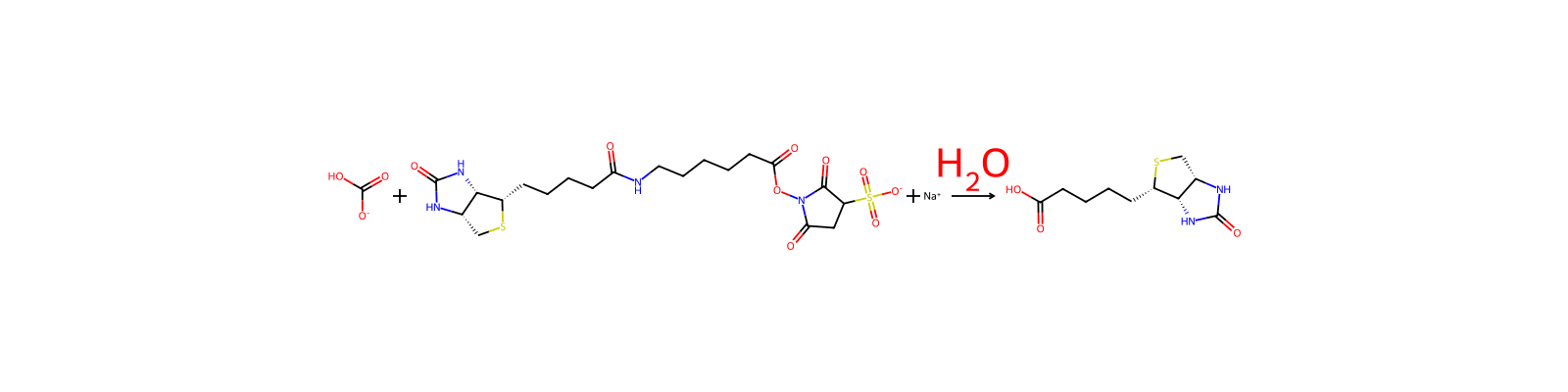
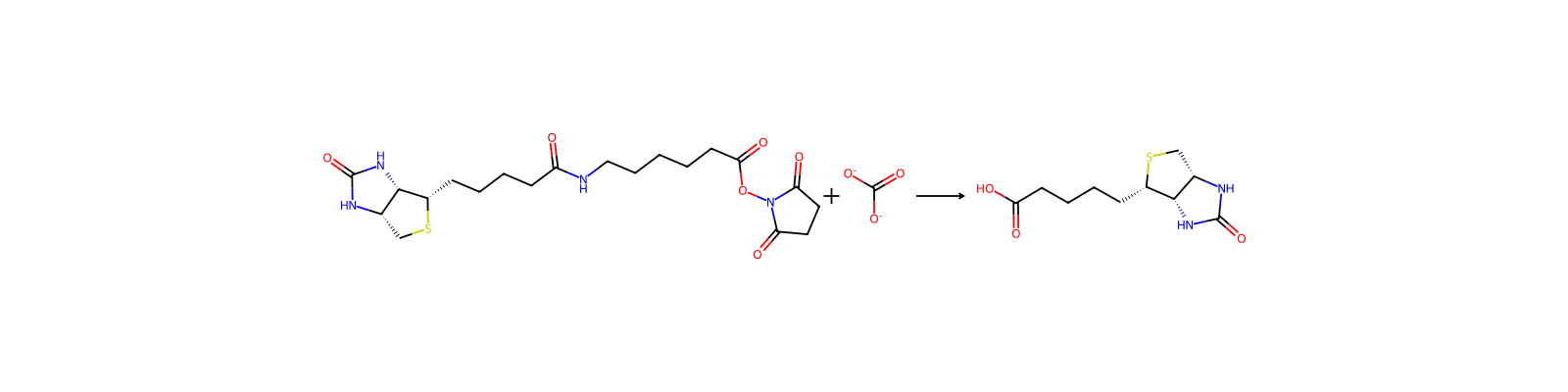
관련 반응
202건


연결된 노트
불러오는 중…