
HRID 478114반응물로
Nitrogen Dioxide

10102-44-0O=[N+][O-]JCXJVPUVTGWSNB-UHFFFAOYSA-NNitrogen dioxide appears as a reddish brown gas or yellowish-brown liquid when cooled or compressed. Shipped as a liquefied gas under own vapor pressure. Vapors are heavier than air. Toxic by inhalation (vapor) and skin absorption. Noncombustible, but accelerates the burning of combustible materials. Cylinders and ton containers may not be equipped with a safety relief device.
10102-44-0DTXSID7020974Irritating odor
Sweetish, acrid.
Pungent, acrid odor
Healthy subjects can detect the odor of NO2, in some cases at concentrations below 188 ug/cu m (0.1 ppm).
1.448 at 68 °F (EPA, 1998) - Denser than water; will sink
1.448 at 20 °C/4 °C (liquid); 3.3 g/L at 21.3 °C (gas)
Density: 1.880 g/L
Relative density (water = 1): 1.45 (liquid)
1.44 (liquid at 68 °F)
1.88 @25 °C
Red to brown gas above 21.1 °C; brown liquid below 21.1 °C; colorless solid at approx -11 °C
Liquid below 21.15 °C
Yellowish-brown liquid or reddish-brown gas (above 70 °C) [Note: In solid form (below 15 °F) it is found structurally as N2O4]
Brown gas; equilibrium with N2O4
Reacts with water (NIOSH, 2024)
Reacts with water
Soluble in concentrated sulfuric and nitric acids
안전 정보는 참고용이며, 공급업체의 물질안전보건자료(SDS), 관련 법규 및 전문가 평가를 대체하지 않습니다.
Danger
H270: May cause or intensify fire; oxidizer [Danger Oxidizing gases]
P220, P244, P260, P264, P271, P280, P284, P301+P330+P331, P302+P361+P354, P304+P340, P305+P354+P338, P316, P320, P321, P363, P370+P376, P403, P403+P233, P405, and P501 (click each P-code to see the statement)
Danger
H270 (99.6%): May cause or intensify fire; oxidizer [Danger Oxidizing gases]
P220, P244, P260, P264, P264+P265, P271, P280, P284, P301+P330+P331, P302+P361+P354, P304+P340, P305+P354+P338, P316, P317, P320, P321, P363, P370+P376, P403, P403+P233, P405, P410+P403, and P501 (click each P-code to see the statement)
Chemical: Nitrogen oxide (NO2)
Hazard Traits - Respiratory Toxicity
Nitrogen oxide (NO2) is listed on the EPA's Chemical Data Reporting (CDR) system. Manufacturers and importers of Nitrogen oxide (NO2) are required to report information about their production and use of this chemical to the EPA under the Toxic Substances Control Act (TSCA). (40 eCFR Part 711)
REACH registered substance: Nitrogen dioxide (EC: 233-272-6)
Nitrogen dioxide (dinitrogen tetroxide): HSNO Approval: HSR001380 Approved with controls
The New Jersey Worker and Community Right to Know Act requires public and private employers to provide information about hazardous substances at their workplaces. (N.J.S.A. 34:5A-1 et. seq.)
When heated to decomposition, toxic fumes of nitrogen oxides are emitted. May ignite other combustible materials (wood, paper, oil, etc.). Mixture with fuels may explode. Container may explode in heat of fire. Vapor explosion and poison hazard may occur indoors, outdoors or in sewers. Decomposes in water, forming nitric acid and nitric oxide. Avoid moisture and physical damage to storage container.
The lung can be exposed to a variety of reactive nitrogen intermediates through the inhalation of environmental oxidants and those produced during inflammation. Reactive nitrogen species (RNS) include, nitrogen dioxide (.NO2) and peroxynitrite (ONOO-). Classically known as a major component of both indoor and outdoor air pollution, .NO2 is a toxic free radical gas. .NO2 can also be formed during inflammation by the decomposition of ONOO- or through peroxidase-catalyzed reactions. Due to their reactive nature, RNS may play an important role in disease pathology. Depending on the dose and the duration of administration, .NO, has been documented to cause pulmonary injury in both animal and human studies. Injury to the lung epithelial cells following exposure to .NO2 is characterized by airway denudation followed by compensatory proliferation. The persistent injury and repair process may contribute to airway remodeling, including the development of fibrosis. To better understand the signaling pathways involved in epithelial cell death by .NO2 or otherRNS, ... cells /are exposed/ in culture to continuous gas-phase .NO2. Studies using the .NO2 exposure system revealed that lung epithelial cell death occurs in a density dependent manner. In wound healing experiments, .NO2 induced cell death is limited to cells localized in the leading edge of the wound. Importantly, .NO2-induced death does not appear to be dependent on oxidative stress per se. Potential cell signaling mechanisms ... include the mitogen activated protein kinase, c-Jun N-terminal Kinase and the Fas/Fas ligand pathways. During periods of epithelial loss and regeneration that occur in diseases such as asthma or during lung development, epithelial cells in the lung may be uniquely susceptible to death...
The biochemical mechanisms of nitrogen dioxide cellular injury ... One emphasizes lipid peroxidation, the other the oxidation of low molecular wt reducing substances & proteins. These need not be mutually exclusive. ... Nitrogen dioxide ... Initiate oxidation through free radicals ... Induction period ... Can be prolonged by vitamin E or other free radical scavenging agents. Polar nitrogen containing cmpd & peroxides are produced.
Inhalation of nitrogen dioxide (NO2) by mice administered orally amidopyrine (AP) and sodium nitrite resulted in increased biosynthesis of N-nitrosodimethylamine (NDMA), as determined by analysis using gas chromatography with thermal energy analyzer detector. These results were also confirmed indirectly in chronic experiments on rats using the system of biomarkers of NDMA formation (single-stranded DNA liver damages, alanine-aminotransferase, glutathione-S-transferase, and liver S9 fraction activity). The inhibition of NDMA metabolism by 4-methylpyrazol (4-MP) administration increases the sensitivity of NDMA biosynthesis assay in frozen whole-mouse powder. The results confirm that NO2 can serve as the precursor of nitrosamines.


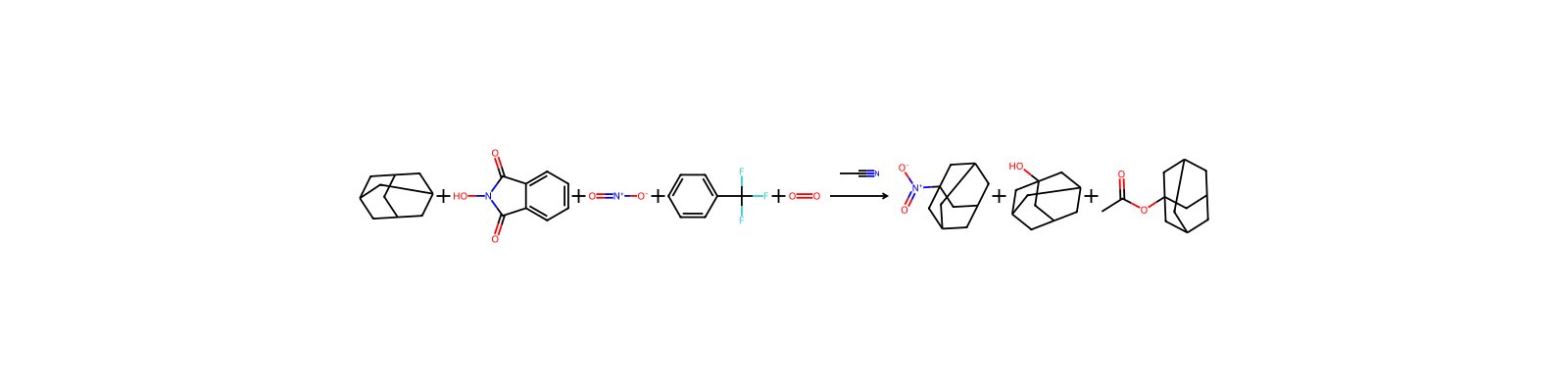


Solubility in water: reaction
Reacts
70.07 °F at 760 mmHg (EPA, 1998)
21.15 °C
21.2 °C
70 °F
21.15 °C @760 [mm Hg]
70 °F
When heated to decomposition it emits toxic fumes of /nitroxides/.
Decomposes at 160 °C. Decomposes (reacts) with water.
15.3 °F (EPA, 1998)
-9.3 °C
-11.2 °C
15 °F
-9.3 °C
15 °F
1.58 (EPA, 1998) - Heavier than air; will sink (Relative to Air)
1.58 (Air = 1) (gas)
Relative vapor density (air = 1): 1.58
2.62
Nitrogen dioxide (and nitrogen tetroxide, the solid dimer) is a dark brown gas (above 21 C) or a yellow, fuming liquid or colorless solid with a pungent, acrid odor. The solid form is colorless below about 11 C; it is found structurally as N2O4.
· Substance does not burn but will support combustion.
Not combustible but enhances combustion of other substances.
Severe exposures may be fatal. Contact may cause burns to skin and eyes. Contact with liquid may cause frostbite. This compound was reported to react with blood to form methemoglobin. The lowest lethal human inhalation dose has been reported at 200 ppm/1 min. (EPA, 1998)
· TOXIC and/or CORROSIVE; may be fatal if inhaled or absorbed through skin.
Silo-filler's disease is an acute condition caused by NO2. [Sullivan, p. 818] This often fatal disease occurs when farmers enter a silo 1 to 10 days after fresh silage has been stored. Like phosgene and ozone, it is less soluble that other irritant inhalants and more likely to cause severe pulmonary edema without the signs of severe upper respiratory injury. (See Comments for phosgene.) [LaDou, p. 563] NO2 poisoning may also cause methemoglobinemia. [Ford, p. 685] Blasting and diesel powered machines generate NO2 at levels of 0.02-0.8 ppm during tunnel construction. . . . Cumulative exposure to nitrogen dioxide showed the strongest association with a decrease in FEV1 in both non-smokers, and ever smokers. Two studies of miners exposed to nitrogen dioxide at 0.02-0.1 ppm found no effect on lung function. [Reference #2] Heavier than air--accumulates in enclosed spaces; TLV Basis = lower respiratory tract irritant; [ACGIH] Nitrogen dioxide is fibrogenic to the lungs in the context of an acute inhalation exposure complicated by bronchiolitis obliterans.
1067 124
1067 124
WHO; Environmental Health Criteria 188: Nitrogen dioxide (1997). EHC are designed for scientists and administrators responsible for the establishment of safety standards and regulations and provide basic scientific risk evaluations of a wide range of chemicals and groups of chemicals.
Move container from fire area if you can do so without risk. Stay away from ends of tanks. Spray cooling water on containers that are exposed to flames until well after fire is out.
In case of fire in the surroundings, use appropriate extinguishing media. In case of fire: keep cylinder cool by spraying with water.
Fresh air, rest. Half-upright position. Administration of oxygen may be needed. Refer immediately for medical attention.
First rinse with plenty of water for at least 15 minutes, then remove contaminated clothes and rinse again. Refer immediately for medical attention.
Rinse with plenty of water for several minutes (remove contact lenses if easily possible). Refer immediately for medical attention.
Rinse mouth. Do NOT induce vomiting. Refer immediately for medical attention.
· CALL 911. Then call emergency response telephone number on shipping paper. If shipping paper not available or no answer, refer to appropriate telephone number listed on the inside back cover.
· Do not touch or walk through spilled material.
Warning: Effects may be delayed for hours to days. Caution is advised.
General First Aid:
(General first aid procedures)
· Wear positive pressure self-contained breathing apparatus (SCBA).
TIH (Toxic Inhalation Hazard) - Term used to describe gases and volatile liquids that are toxic when inhaled. Some are TIH materials themselves, e.g., chlorine, and some release TIH gases when spilled in water, e.g., chlorosilanes. [ERG 2016].
0.5 [ppm]
Nitrogen dioxide is non-flammable but supports combustion. Wearing proper equipment, shut off flow of gas. Use water spray to keep containers cool and to direct escaping gas away from those effecting shut off. Do not extinguish the fire unless the flow of gas can be stopped and any remaining gas is out of the line. Specially trained personnel may use fog lines to cool exposures and let the fire burn itself out. Vapors are heavier than air and will collect in low areas. Vapors may travel long distances to ignition sources and flashback. Vapors in confined areas may explode when exposed to fire. Containers may explode in fire. Storage containers and parts of containers may rocket great distances, in many directions. If material or contaminated runoff enters waterways, notify downstream users of potentially contaminated waters. Notify local health and fire officials and pollution control agencies. From a secure, explosion-proof location, use water spray to cool exposed containers. If cooling streams are ineffective (venting sound increases in volume and pitch, tank discolors or shows any signs of deforming), withdraw immediately to a secure position. If cylinders are exposed to excessive heat from fire or flame contact, withdraw immediately to a secure location ... The only respirators recommended for fire fighting are self-contained breathing apparatuses that have full facepieces and are operated in a pressure-demand or other positive-pressure mode.
Extinguish surrounding fire using suitable agent. Use water spray to keep fire-exposed containers cool. Approach fire from upwind to avod hazardous vapors. /Nitrogen oxides/
Wear special protective clothing and positive pressure self-contained breating apparatus. /Nitrogen oxides/
If material involved in fire: Extinguish fire using agent suitable for type of surrounding fire. (Material itself does not burn or burns with difficulty.) Use water in flooding quantities as fog. Cool all affected containers with flooding quantities of water. Apply water from as far a distance as possible. Use foam, dry chemical, or carbon dioxide.
Turn leaking cylinder with the leak up to prevent escape of gas in liquid state.
Corrosive to steel when wet, but may be stored in steel cylinders when moisture content is 0.1% or less.
Protect containers from physical damage. Store separately from combustible, organic, and readily oxidizable materials. Transfer facilities should be outdoors.
Store in a cool, dry, well-ventilated location. Separate from oxidizable materials. Outside or detached storage is preferred. /Nitrogen oxides/
Ventilation along the floor.
Spill handling: keep unnecessary people away. Isolate hazard arae and deny entry. Stay upwind. Keep out of low areas. Ventilate closed spaces before entering them. Evacuate area endangered by gas. For water spills, neutralize with agricultural lime (slaked lime), crushed limestone, or sodium bicarbonate. For an air spill, apply water spray or mist to knock down vapors. Vapor knockdown water is corrosive or toxic and should be diked for containment. Keep combustibles (wood, paper, oil, etc.) away from spilled material. Stop leak if you can do so without risk. Use water spray to reduce vapor but do not put water on leak or spill area. Isolate area until gas has dispersed. It may be necessary to contain and dispose of this chemical as a hazardous waste. If material or contaminated runoff enters waterways, notify downstream users of potentially contaminated waters. Contact your Department of Environmental Protection or your regional office of the federal EPA for specific recommendations ... Initial isolation and protective action distances: Distances shown are likely to be affected during the first 30 min after materials are spilled and could increase with time. If more than one tank car, cargo tank, portable tank, or large cylinder involved in the incident is leaking, the protective action distance may need to be increased ... Small spills (from a small package or a small leak from a large package): first isolate in all directions 200 ft, then protect persons downwind, 0.1 mile (day), 0.3 mile (night). Large spills (from a large package or from many small packages): first isolate in all directions 500 ft, then protect persons downwind 0.1 mile (day), 2.5 miles (night).
Releases may require isolation or evacuation. Stop or control the leak if this can be done without undue risk. Use water spray to disperse vapors and protect personnel. Approach release from upwind. Runnoff of less volatile nitrogen oxides may contain highly corrosive nitric acid. /Nitrogen oxides/
Ventilate area of spill or leak to disperse gas. If in the liquid form, allow to vaporize. If in the gaseous form, stop flow of gas. If source of leak is a cylinder and the leak cannot be stopped in place, remove the leaking cylinder to a safe place in the open air and repair the leak or allow the cylinder to empty.
Environmental considerations - land spill: Dig a pit, pond, lagoon, holding area to contain liquid or solid material. /SRP: If time permits, pits, ponds, lagoons, soak holes, or holding areas should be sealed with an impermeable flexible membrane liner./ Dike surface flow using soil, sand bags, foamed poylurethane , or foamed concrete. Absorb bulk liquid with fly ash or cement powder. Neutralize with agricultural lime (CaO), crushed limestone (CaCO3)or sodium bicarbonate (NaHCO3).
For more Cleanup Methods (Complete) data for Nitrogen dioxide (6 total), please visit the HSDB record page.
Generators of waste (equal to or greater than 100 kg/mo) containing this contaminant, EPA hazardous waste number P078, must conform with USEPA regulations in storage, transportation, treatment and disposal of waste.
Nitrogen dioxide is a poor candidate for incineration.
... C57BL/6 mice /were used to test/ whether exposure to NO2, followed by inhalation of the innocuous protein Ag, OVA, would result in allergen sensitization and the subsequent development of allergic airway disease. Following challenge with aerosolized OVA alone, mice previously exposed via inhalation to NO2 and OVA developed eosinophilic inflammation and mucus cell metaplasia in the lungs, as well as OVA-specific IgE and IgG1, and Th2-type cytokine responses. One hour of exposure to 10 parts per million NO2 increased bronchoalveolar lavage fluid levels of total protein, lactate dehydrogenase activity, and heat shock protein 70; promoted the activation of NF-kappaB by airway epithelial cells; and stimulated the subsequent allergic response to Ag challenge. Furthermore, features of allergic airway disease were not induced in allergen-challenged TLR2-/- and MyD88-/- mice exposed to NO2 and aerosolized OVA during sensitization. These findings offer a mechanism whereby allergen sensitization and asthma may result under conditions of high ambient or endogenous NO2 levels.
Male rats were continuously exposed to nitrogen dioxide (14.4 ppm), sulfur dioxide (46.5 ppm) & to a mixture of both gases, & their effects on lung microsomal aryl hydrocarbon hydroxylase activity was determined. The preexposed animals were administered methylcholanthrene to investigate the exposure effect on enzyme inducibility & pattern of benzo(a)pyrene metabolites. Nitrogen dioxide significantly increased aryl hydrocarbon hydroxylase activity but no marked change was noted with sulfur dioxide. Induction of aryl hydrocarbon hydroxylase by methylcholanthrene was markedly inhibited by sulfur dioxide, only slightly by the mixture of nitrogen dioxide-sulfur dioxide but not by nitrogen dioxide alone.
Seven adult male healthy volunteer subjects were exposed to 0.15 ppm each of ozone, sulfur dioxide, and nitrogen dioxide alone and in combination, with intermittant light exercise for 2 hr. Three of the 7 subjects developed cough during deep inspiration and 1 subject had chest pain during exposure to ozone alone. Among the various indices of pulmonary function tests, specific airway conductance was the most sensitive index to examine the changes produced by the exposure to ozone and other pollutants. Significant decrease of specific airway conductance in comparison with control measurements was observed in 6 of 7 subjects during exposure to ozone alone, and in all subjects durings exposures to the mixture of ozone and other pollutants. However, no significant enhancement of effect was observed in the mixture of ozone and other pollutants, although a slightly greater decrease of specific airway conductance was observed for the mixture of ozone and other pollutants than for ozone alone.
Male CD-1 mice were exposed to a nominal concentration of 20 ppm of 15N-nitrogen dioxide (15NO2) for 6 hr/day for 4 days and for 2 hr on the day 5, and to 1 g morpholine/kg body wt by gavage daily for five consecutive days. N-Nitrosomorpholine (NMOR) was found in whole mice, stomach, skins with hair, and remains. The sum of individual tissue concentrations measured separately was 3421 ng/tissue, where the average skin weighed 4.3 g, the average stomach weighed 1.0 g and the average remains weighed 22.2 g. The average whole mouse weighed 27.7 g and contained a total of 3903 ng of NMOR. The concentration of NMOR was highest in the skin, next highest in the stomach, and lowest in the remains. However, the total quantity of NMOR per tissue, while highest in the skin (83%), was next highest in the remains (14.8%) and lowest in the stomach (2.2%). GC-MS analysis served to distinguish between the NMOR of 15NO2 origin and that of other origin. All of the NMOR in the whole mouse homogenates was identified as 15NMOR. In the stomach 73% was identified as 14NMOR, representing 1.6% of the total NMOR in the mouse, and 27% as 15NMOR, representing 0.6% of the total NMOR in the mouse. N-Nitrosamine formation in vivo is discussed as a possibly ongoing mammalian process.
The effects of simultaneous exposure to nitrogen dioxide and ozone on the levels of lipid peroxides and phospholipids in the lungs of 4 animal species were investigated. Male ICR mice, Golden hamsters, Wistar rats, and Hartley guinea pigs (6 animals/group) were exposed to a mixture of 0.4 ppm nitrogen dioxide (NO2) and 0.4 ppm ozone (O3) for 2 wk. Controls were exposed to clean air in a similar exposure chamber. It was shown that the concentrations of lipid peroxides (using as an index the concentrations of thiobarbituric acid (TBA) reactants) in lung tissue of guinea pigs and mice, exposed to the combined gases, were increased significantly when compared to the controls, (for guinea pigs: p< 0.01 at 7 days, p< 0.001 at 14 days; for mice: p< 0.05 at 7 days, p< 0.001 at 14 days). However, the lipid peroxide levels of hamsters and rats did not show any significant changes throughout the 2 wk of exposure. Significant increases in total phospholipids were observed in mice, rats and guinea pigs, but not in hamsters.
TERRESTRIAL FATE: Nitrogen dioxide is expected to decompose to nitric acid in moist soil surfaces(1). The potential for volatilization of nitrogen dioxide from dry soil surfaces may exist(SRC) based upon a vapor pressure of 900 mm Hg at 25 °C(2).
AQUATIC FATE: If released into water, nitrogen dioxide is expected to decompose(1) to nitric acid(SRC).
ATMOSPHERIC FATE: Nitrogen dioxide, which has a vapor pressure of 900 mm Hg at 25 °C(1), is expected to exist solely as a gas in the ambient atmosphere. Gas-phase nitrogen dioxide is degraded in the atmosphere by reaction with photochemically-produced hydroxyl radicals(SRC); the half-life for this reaction in air is estimated to be 35 hours(SRC) from its rate constant of 1.1X10⁻¹¹ cu cm/molecule-sec at 25 °C(2). This compound is expected to undergo direct photolysis in the environment(SRC), ultimately leading to the production of ozone and smog conditions in the lower troposphere(3).
The substance can be absorbed into the body by inhalation.
inhalation, ingestion, skin and/or eye contact
IDENTIFICATION: Nitric oxide is a colorless, odorless gas that is only slightly soluble in water. The main sources of nitrogen oxides (including nitric oxide) emissions are combustion processes. Fossil fuel power stations, motor vehicles and domestic combustion appliances emit nitrogen oxides, mostly in the form of nitric oxide. Nitric oxide can be present at significant concentrations in ambient air and in indoor air. HUMAN EXPOSURE: Human exposure to nitrogen oxides varies from indoors to outdoors, from cities to the countryside, and with the time of day and season. Nitric oxide is readily oxidized to nitrogen dioxide and peroxidation then occurs. Because of the concurrent exposure to some nitrogen dioxide in nitric oxide exposures, it is difficult to discriminate nitric oxide effects from nitrogen dioxide. Nitric oxide functions as an intracellular second messenger modulating a wide variety of essential enzymes, and it inhibits its own production (e.g., negative feedback). Nitric oxide activates guanylate cyclase which in turn increases intracellular cGMP levels. Nitric oxide is acknowledged as an important endogenous second messenger within several organ systems. At certain levels, inhaled nitric oxide concentrations can cause vasodilation in the pulmonary circulation without affecting the systemic circulation. The lowest effective concentration is not established. Information on pulmonary function and lung host defenses consequent to nitric oxide exposure are too limited for any conclusions to be drawn. Relatively high concentrations have been used in clinical applications for brief periods without reported adverse effects. ANIMAL STUDIES: The toxicological database for nitric oxide is small, relative to nitrogen dioxide. It is often difficult to obtain pure nitric oxide in air without some contamination with nitrogen dioxide. Endogenous nitric oxide synthesis occurs by nitric oxide formation from physiological substrate in cells of many of the organ systems such as nerve tissue, blood vessels and the immune system. Nitric oxide may be more potent than nitrogen dioxide in introducing certain changes in lung morphology. In a study examining the effects of nitric oxide on bacterial defenses, there were no statistically significant effects for either sex at any of the time points studied. In vitro data indicate that nitric oxide stimulates guanylate cyclase and leads to smooth muscle relaxation and vasodilation and functional effects on the nervous system. These effects are probably responsible for vasodilation in the pulmonary circulation and an acute bronchodilator effect of inhaled nitric oxide. Nitric oxide has an affinity for heme-bound iron which is two times higher than that of carbon monoxide. This affinity leads to the formation of methemoglobin and the stimulation of guanylate cyclase. Furthermore, nitric oxide reacts with thiol-associated iron in enzymes and eventually displaces the iron. This is a possible mechanism for the cytotoxic effects of nitric oxide. Nitric oxide can deaminate DNA, evoke DNA chain breaks, and inhibit DNA polymerase and ribonucleotide reductase. It might be antimitogenic and inhibit T cell proliferation in rat spleen cells.
Cough. Sore throat. Shortness of breath. Dizziness. Headache. Burning sensation. Laboured breathing. Nausea. Symptoms may be delayed.
Redness. Burning sensation. Pain. Serious skin burns.
Redness. Pain. Severe burns.
Burns in mouth and throat.
irritation eyes, nose, throat; cough, mucoid frothy sputum, decreased pulmonary function, chronic bronchitis, dyspnea (breathing difficulty); chest pain; pulmonary edema, cyanosis, tachypnea, tachycardia
The global emissions of nitrogen dioxide and nitric oxide from various sources in tons/yr were reported as follows: hard coal, 3.9X10+6; lignite, 1.6X10+6; light fuel oil, 0.7X10+6; heavy fuel oil, 1.1X10+6; natural gas, 1.9X10+6; industrial sources, 1.2X10+6; automobiles, 4.3X10+6(1). The global emissions of nitrogen dioxide and nitric oxide in tons/yr from natural sources were reported as follows: 8.6X10+6, lightening; 50X10+6, soil emissions; 0.35X10+6, oceans(1). The concn of nitrogen dioxide and nitric oxide in tonnes/yr emitted from sources in major cities were reported as follows: Bangkok, Thailand 60,000; Bombay, India 56,000; Buenos Aries, Argentina 27,000; Cairo, Egypt 24,700; Calcutta, India 36,500; Delhi, India 73,000; Jakarta, Indonesia 20,500; Karachi, Pakistan 50,000; London, England 79,000; Los Angeles, CA 440,000; Manila, Philippines 119,000; Mexico City, Mexico 117,300; Moscow, Russia 210,000; New York City, NY 120,000; Rio de Janeiro, Brazil 63,000; San Paulo, Puerto Rico 245,000; Seoul, South Korea 270,000; Shanghai, China 127,000; Tokyo, Japan 52,700(1). The US emissions of nitrogen dioxide and nitric oxide in tons/yr were reported as follows: transportation sources, 7.9X10+6; stationary fuel sources, 11.1X10+6; industrial sources, 0.6X10+6; solid waste sources, 0.1X10+6; miscellaneous sources, 0.2X10+6(2). The emissions of nitrogen dioxide and nitric oxide from a wood burning stove were measured as 64-657 ppb(3).
Unvented gas-fired space heaters emitted 0.4-1.46 ppm of nitrogen dioxide during steady-state operation(1). A study of operation of an unvented natural gas fireplace in a home in Boulder, CO resulted in nitrogen dioxide emissions of 0.09, 0.35, and 0.36 ppm at low, medium, and high fireplace settings, sampled in June, 1999(2).
P078; As stipulated in 40 CFR 261.33, when nitrogen dixoide, as a commercial chemical product or manufacturing chemical intermediate or an off-specification commercial chemical product or a manufacturing chemical intermediate, becomes a waste, it must be managed according to federal and/or state hazardous waste regulations. Also defined as a hazardous waste is any container or inner liner used to hold this waste or any residue, contaminated soil, water, or other debris resulting from the cleanup of a spill, into water or on dry land, of this waste. Generators of small quantities of this waste may qualify for partial exclusion from hazardous waste regulations (40 CFR 261.5(e)).
National primary and secondary ambient air quality standards for oxides of nitrogen (with nitrogen dioxide as the indicator). (a) The level of the national primary annual ambient air quality standard for oxides of nitrogen is 53 parts per billion (ppb, which is 1 part in 1,000,000,000), annual average concentration, measured in the ambient air as nitrogen dioxide. (b) The level of the national primary 1-hour ambient air quality standard for oxides of nitrogen is 100 ppb, 1-hour average concentration, measured in the ambient air as nitrogen dioxide. (c) The level of the national secondary ambient air quality standard for nitrogen dioxide is 0.053 parts per million (100 micrograms per cubic meter), annual arithmetic mean concentration.
Persons in charge of vessels or facilities are required to notify the National Response Center (NRC) immediately, when there is a release of this designated hazardous substance, in an amount equal to or greater than its reportable quantity of 10 lb or 4.54 kg. The toll free number of the NRC is (800) 424-8802. The rule for determining when notification is required is stated in 40 CFR 302.4 (section IV. D.3.b).
Releases of CERCLA hazardous substances are subject to the release reporting requirement of CERCLA section 103, codified at 40 CFR part 302, in addition to the requirements of 40 CFR part 355. Nitrogen dioxide is an extremely hazardous substance (EHS) subject to reporting requirements when stored in amounts in excess of its threshold planning quantity (TPQ) of 100 lbs.
Nitrogen dioxide is designated as a hazardous substance under section 311(b)(2)(A) of the Federal Water Pollution Control Act and further regulated by the Clean Water Act Amendments of 1977 and 1978. These regulations apply to discharges of this substance. This designation includes any isomers and hydrates, as well as any solutions and mixtures containing this substance.
Sprague-Dawley rats exposed to atmospheres containing low levels of nitrogen dioxide for 24 hr had increased levels of nitrate in their urine on the day of exposure & on the 3 subsequent days. Authors findings support the hypothesis that the major interaction of nitrogen dioxide in the lung is with readily oxidizable tissue components to form nitrite, & they estimate that 9.6 umol of nitrite is formed in the respiratory tract per ppm nitrogen dioxide 24 hr exposure.
Nitrates and nitrites have been detected in the urine of animals after the inhalation of nitrogen dioxide.
Several reports suggest that nitrogen dioxide is absorbed in lungs and reacts with blood ... Nitrous fumes ... act chiefly on alveolar walls.
50 to 60% of inspired nitrogen dioxide in rhesus monkeys was retained during quiet resp, the gas was distributed throughout lungs. Once absorbed, nitrogen dioxide or chem intermediates remained within lungs for prolonged periods after cessation of exposure, & dissemination to extrapulmonary sites occurred via blood stream.
... Found that about 50% of nitrogen dioxide was absorbed in passage through the nose and throat of a rabbit. ... 50 to 60% of nitrogen dioxide was absorbed by monkeys exposed to 0.3 to 0.9 ppm of nitrogen dioxide. The radioactive tracer ... used remained in the lung for prolonged periods, with some spread to other tissues.
Nitrogen dioxide is partly dissolved in the mucus of the upper airways, but it is also fairly evenly distributed throughout the respiratory tract; it is furthur spread in the body by the circulatory system.
For more Absorption, Distribution and Excretion (Complete) data for Nitrogen dioxide (7 total), please visit the HSDB record page.
Generated from high temperature combustion; a common indoor air pollutant (gas ranges, kerosene heaters and improperly vented gas space heaters); occupational exposures have occurred after oxyacetylene welding, after underground blasting in mining operations, and after entering freshly filled farm silos. Other activities associated with increased NO2 levels include: glassblowing; operating motor vehicles indoors (including ice skating rink resurfacing machines); manufacture of nitric acid, oxidized cellulose compounds, lacquers and dyes, rocket propellants, and fertilizers; brazing; metal cleaning; rayon and food bleaching; fire fighting. [Rom, p. 1467]
Acid and Alkali Cleaning of Metals [Category: Clean]
Ceramics making [Category: Hobbies]
Intermediate in nitric acid and sulfuric acid production. Has been used to bleach flour; used in nitration of organic cmpounds and explosives; in the manufacture of oxidized cellulose compounds (hemostatic cotton). Proposed as oxidizing agent in rocket propulsion.
Production of nitric acid, nitrating agent, oxidizing agent, catalyst, oxidizer for rocket fuels;,polymerization inhibitor for acrylates
Chemical intermediate (captive) for nitric acid; catalyst for sulfuric acid (chamber process); oxidizing agent for rocket fuels; calibration gas
Commercial brown liquid under pressure is called nitrogen tetroxide ... an equilibrium mixture of NO2 and the colorless N2O4
Grades: Pure, 99.5% min.
Adhesive Manufacturing
Nitrogen oxide (NO2): ACTIVE
Nitrogen dioxide is an ubiquitous product of combustion, occurring in exhaust from motor vehicles, emissions from the combustion of stationary fuel sources such as coal, oil or natural gas and various industrial sources
개요nitrogen dioxide is a reddish-brown gas (or yellow liquid) with a strong, acrid odor. Nitrogen dioxide readily dimerizes to produce N2O4.nitrogen dioxide are nonfl ammable, toxic gases.The federal government has established air quality standards for nitrogen dioxide at 0.053 partsper million (ppm), which equals 100μg (micrograms) per cubic meter.Nitrogen dioxide is highly soluble in water and forms nitric acid (HNO3), and nitric oxide is slightly soluble and forms nitrous acid (HNO2).Nitrogen dioxide is a strong oxidizing agent and causes corrosion.Nitrogen dioxide is used as an oxidizing agent, a catalyst in oxidation reactions, an inhibitor, as a nitrating agent for organic reactions, as a flour bleaching agent, and in increasing the wet strength of paper.
출처Nitrogen dioxide is an intermediate in producing nitric acid. It also is used in the lead chamber process for making sulfuric acid. It is used as a nitrating and oxidizing agent, in rocket fuels, in the manufacture of hemostatic cotton and other oxidized cellulose compounds, and in bleaching flour. Nitrogen dioxide occurs in trace concentrations in the atmosphere due to oxidation of nitric oxide in air. It also is found in exhaust gases of internal combustion engines, in industrial waste gases from plants using nitric acid, and in cigarette smoke. Brown color of smog in many industrial urban areas is attributed to nitrogen dioxide.
역사nitrogen dioxide was prepared in 1772 by Joseph Priestley (1733–1804) and described in his volumes Experiments and Observations of Different Kinds of Air published between 1774 and 1786. Priestley called nitric oxide nitrous air, nitrogen dioxide nitrous acid vapor, and nitrous oxide phlogisticated nitrous air, but also referred to the dioxide. Priestley prepared nitric oxide by reacting nitric acid with a metal such as copper: 3Cu(s) + 8HNO3(aq) → 2NO(g) + 3Cu(NO3)2(aq) + 4H2O(l).
용도Nitrogen dioxide is an intermediate in producing nitric acid. It also is used in the lead chamber process for making sulfuric acid. It is used as a nitrating and oxidizing agent, in rocket fuels, in the manufacture of hemostatic cotton and other oxidized cellulose compounds, and in bleaching flour. Nitrogen dioxide occurs in trace concentrations in the atmosphere due to oxidation of nitric oxide in air. It also is found in exhaust gases of internal combustion engines, in industrial waste gases from plants using nitric acid, and in cigarette smoke. Brown color of smog in many industrial urban areas is attributed to nitrogen dioxide.
일반 설명A reddish brown gas or yellowish-brown liquid when cooled or compressed. Shipped as a liquefied gas under own vapor pressure. Vapors are heavier than air. Toxic by inhalation (vapor) and skin absorption. Noncombustible, but accelerates the burning of combustible materials. Cylinders and ton containers may not be equipped with a safety relief device.
질산(nitric acid)의 산화에의해 준비 이과정(Birkeland-Eyde)에서, 대기는 3,000 ℃이상의 온도에 전기아아크를 통과해 질소 산화물(nitric oxide)을 발생 대류냉각에서 추가산화는 질소(nitric) 및 아질산(nitrous acids)의 혼합물을 방출하는 수계로 수착되는 이산화질소(nitrogen dioxide)를 방출
정의A brown gas produced by the dissociation of dinitrogen tetroxide (with which it is in equilibrium), the dissociation being complete at 140°C. Further heating causes dissociation to colorless nitrogen monoxide and oxygen: 2NO2(g) = 2NO(g) + O2(g) Nitrogen dioxide can also be made by the action of heat on metal nitrates (not the nitrates of the alkali metals or some of the alkaline-earth metals).