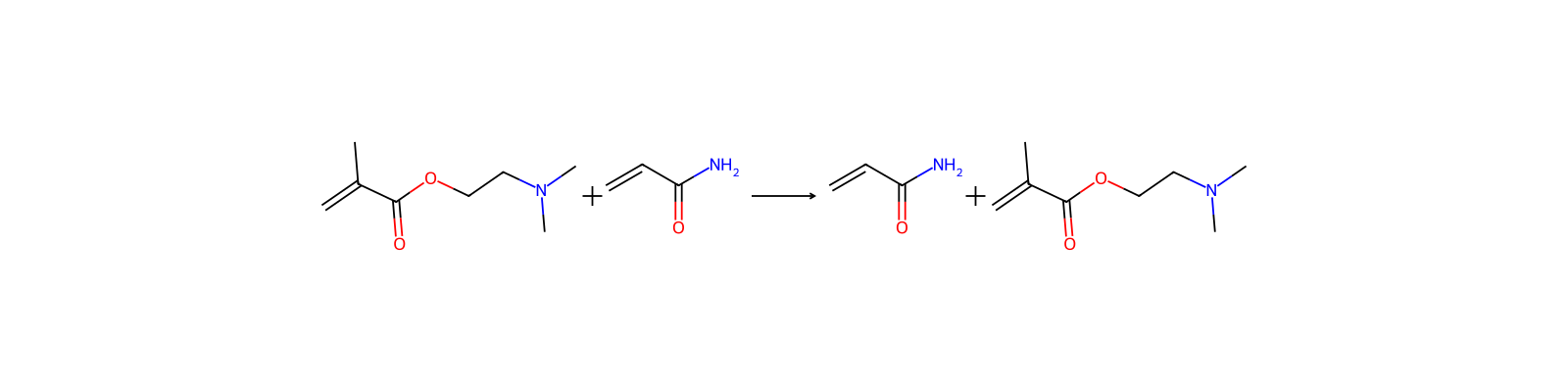

기본 정보
- 표준 SMILES
C=C(C)C(=O)OCCN(C)C- InChIKey
JKNCOURZONDCGV-UHFFFAOYSA-N- 분자식
- C8H15NO2
- 평균 분자량
- 157.21 g/mol
- 단동위원소 질량
- 157.11027872
개요
2-dimethylaminoethyl methacrylate appears as a clear colorless liquid. Less dense than water and insoluble in water. Vapors heavier than air and corrosive to eyes and mucous membranes. May polymerize exothermically if heated or contaminated. If polymerization takes place inside a closed container, the container may rupture violently. Produces toxic oxides of nitrogen during combustion. Toxic by skin absorption, ingestion and inhalation. Used to make plastics and in textiles.
이름 및 식별자
- 우선 이름
- (Dimethylamino)ethyl methacrylate
- IUPAC
- 2-(dimethylamino)ethyl 2-methylprop-2-enoate
- 현지명
- 폴리(2-(디메틸아미노)에틸 메타크릴산)
- 영어명
- Poly(2-dimethylaminoethyl methacrylate)
- 분자식
- C8H15NO2
- 분자량
- 157.21
이름 및 동의어
2-(Dimethylamino)ethyl methacrylate2867-47-2DMAEMAN,N-DIMETHYLAMINOETHYL METHACRYLATE2-Dimethylaminoethyl methacrylate2-Propenoic acid, 2-methyl-, 2-(dimethylamino)ethyl esterMethacrylic acid, 2-(dimethylamino)ethyl esterN,N-Dimethylethanolamine methacrylateDTXSID1027504(Dimethylamino)ethyl methacrylateEthanol, 2-(dimethylamino)-, methacrylatebeta-Dimethylaminoethyl methacrylate
이름 더 보기
폴리(2-(다이메틸아미노)에틸메타크릴산)폴리(2-(디메틸아미노)에틸메타크릴산)폴리(2-(다이메틸아미노)에틸메타크릴산)(POLY(2-(DIMETHYLAMINO)ETHYLMETHACRYL...폴리다이메틸아미노에틸메타크릴레이트폴리(2-디메틸아미노에틸메타크릴레이트)POLY(DIMETHYLAMINOETHYL METHACRYLATE)20%solutionintert-butanolPoly(2-dimethylaminoethyl methacrylate)N,N-DimethylaminoethylmethacrylatepolymerDimethylaminoethylmethacrylatehomopolymer2-Propenoicacid,2-methyl-,2-(dimethylamino)ethylester,homopolymerPoly[2-(Dimethylamino)ethyl Methacrylate] Number Average Molecular Wt. 50000Poly[2-(Dimethylamino)ethyl Methacrylate] Number Average Molecular Wt. 25000Poly[2-(Dimethylamino)ethyl Methacrylate] Number Average Molecular Wt. 10000Poly[2-(dimethylamino)ethyl methacrylate]Number average molecular, PVK , average Mn 40000-60000
O0V97PV2G1DTXCID307504DMAE methacrylateRefChem:6736220-688-8Dimethylaminoethyl methacrylateAgeflex FM-12-(N,N-Dimethylamino)ethyl methacrylate
데이터베이스 식별자
- CAS
25154-86-3、2867-47-2- PubChem CID
- 17869
- DTXSID
DTXSID1027504- ChEMBL
CHEMBL1883484- UNII
- O0V97PV2G1
- EC Number
- 220-688-8
- Nikkaji
- J48.651E
물성
구조 계산 물성
- XLogP
- 1.2
- 극성 표면적
- 29.5 Ų
- 수소 결합 공여자 수
- 0
- 수소 결합 수용자 수
- 3
- 회전 가능 결합 수
- 5
- 무거운 원자 수
- 11
- 형식 전하
- 0
- 복잡도
- 152
실험 및 물리화학적 성질
Chemical ClassesFlammable agents - 2nd degree
PolymersPlastics & Rubber -> (Meth)acrylates
CosmeticsViscosity controlling
SpringerMaterials PropertiesBoiling point
LogP
log Kow = 1.13 at 25 °C; OECD Guideline 107 (Partition Coefficient (n-octanol/water), Shake Flask Method)
1.13
OdorAmine-like
Density
Specific gravity: 0.933 at 25 °C
Relative density (water = 1): 0.93
Viscosity1.34 mPa s at 25 °C
Color/Form
Liquid
Colorless liquid
Solubility
In water, 1000 g/L at 20 °C (study performed without adjustment of pH value)
Solubility in water, g/100ml at 25 °C: 10.6
Flash Point
165 °F (NFPA, 2010)
64 °C (147 °F) - closed cup
165 °F (74 °C) (open cup)
68 °C c.c.
Boiling Point
186 °C
186 °C
물리화학적 성질
- 저장 조건
- 2 · 2-8°C
- 물리적 상태
- powder to lump
- 색상
- 흰색에서 갈색으로
- 화장품 원료 기능
- 필름 형성제
- InChI
- InChI=1S/C8H15NO2/c1-7(2)8(10)11-6-5-9(3)4/h1,5-6H2,2-4H3
- InChIKey
- JKNCOURZONDCGV-UHFFFAOYSA-N
- SMILES
- O(CCN(C)C)C(=O)C(=C)C
- EPA
- Dimethylaminoethyl methacrylate homopolymer (25154-86-3)
안전 및 규제
GHS 분류
GHS Classification
Warning
H302: Harmful if swallowed [Warning Acute toxicity, oral]
P261, P264, P264+P265, P270, P272, P280, P301+P317, P302+P352, P305+P351+P338, P317, P321, P330, P332+P317, P333+P317, P337+P317, P362+P364, and P501 (click each P-code to see the statement)
This chemical does not meet GHS hazard criteria for < 0.1% (1 of 1132) of reports.
Danger
H302 (91.1%): Harmful if swallowed [Warning Acute toxicity, oral]
유해성 정보
Regulatory Information
Chemical: 2-Propenoic acid, 2-methyl-, 2-(dimethylamino)ethyl ester
2-Propenoic acid, 2-methyl-, 2-(dimethylamino)ethyl ester is listed on the EPA's Chemical Data Reporting (CDR) system. Manufacturers and importers of 2-Propenoic acid, 2-methyl-, 2-(dimethylamino)ethyl ester are required to report information about their production and use of this chemical to the EPA under the Toxic Substances Control Act (TSCA). (40 eCFR Part 711)
Status: Active Update: 22-04-2022 https://echa.europa.eu/registration-dossier/-/registered-dossier/5187
2-Propenoic acid, 2-methyl-, 2-(dimethylamino)ethyl ester, (dimethylaminoethyl methacrylate): HSNO Approval: HSR001558 Approved with controls
The New Jersey Worker and Community Right to Know Act requires public and private employers to provide information about hazardous substances at their workplaces. (N.J.S.A. 34:5A-1 et. seq.)
DOT LabelPoison
Fire Hazards
Excerpt from ERG Guide 153 [Substances - Toxic and/or Corrosive (Combustible); polymerization hazard]:
· Combustible material: may burn but does not ignite readily.
Combustible. Gives off irritating or toxic fumes (or gases) in a fire. Above 68 °C explosive vapour/air mixtures may be formed.
Fire Potential
Combustible
Flammable when exposed to sparks, heat, open flame, or oxidizers.
Health Hazards
Excerpt from ERG Guide 153 [Substances - Toxic and/or Corrosive (Combustible); polymerization hazard]:
· TOXIC and/or CORROSIVE; inhalation, ingestion or skin contact with material may cause severe injury or death.
Hazards Summary
May polymerize on exposure to heat, light, oxidants, reducing agents, or metals causing fire or explosion; A respiratory tract irritant; Corrosive to skin and eyes; [ICSC] A skin, eye, and mucous membrane irritant; In gavage studies of rabbits, electrical brain activity was suppressed followed by clonic-tonic spasms; Highly irritating to skin and eyes, based on animal studies; [HSDB] Heat or contamination can cause exothermic polymerization; Corrosive to eyes and mucous membranes; [CAMEO] Effects in repeated dose feeding studies with rats include late onset chronic convulsions and nerve fiber degeneration in the brain and spinal cord; Corrosive to skin and eyes, based on animal studies; [eChemPortal: SIDSUNEP] Corrosive to skin and eyes; [eChemPortal: ERMA] A skin and eye irritant; May cause skin sensitization; [eChemPortal: ESIS] Danger of skin sensitization; [MAK] A severe irritant that may cause burns; A possible lachrymator and skin sensitizer; [MSDSonline] 2-Dimethylaminoethyl methacrylate (UN2522) has warning of explosive polymerization; [ERG 2016] See ACRYLIC RESINS (MONOMERS).
DOT ID and Guide2522 153P
Reactive GroupAmines, Phosphines, and Pyridines
EC ClassificationSymbol: Xn; R: 21/22-36/38-43; S: (2)-26-28
UN ClassificationUN Hazard Class: 6.1; UN Pack Group: II
Reactivity AlertsPolymerizable
Reactivity Profile
2-DIMETHYLAMINOETHYL METHACRYLATE is both an amine and an acrylate ester. Amines are chemical bases. They neutralize acids to form salts plus water. These acid-base reactions are exothermic. The amount of heat that is evolved per mole of amine in a neutralization is largely independent of the strength of the amine as a base. Amines may be incompatible with isocyanates, halogenated organics, peroxides, phenols (acidic), epoxides, anhydrides, and acid halides. Flammable gaseous hydrogen is generated by amines in combination with strong reducing agents, such as hydrides. Esters react with acids to liberate heat along with alcohols and acids. Strong oxidizing acids may cause a vigorous reaction that is sufficiently exothermic to ignite the reaction products. Heat is also generated by the interaction of esters with caustic solutions. Flammable hydrogen is generated by mixing esters with alkali metals and hydrides.
안전 및 보호
Fire Fighting
Excerpt from ERG Guide 153 [Substances - Toxic and/or Corrosive (Combustible); polymerization hazard]:
Use water spray, powder, alcohol-resistant foam, carbon dioxide.
First Aid Measures
Fresh air, rest.
Remove contaminated clothes. Rinse skin with plenty of water or shower. Refer for medical attention .
First rinse with plenty of water for several minutes (remove contact lenses if easily possible), then refer for medical attention.
Rinse mouth. Give one or two glasses of water to drink. Do NOT induce vomiting. Refer for medical attention .
Accidental Release Measures
· CALL 911. Then call emergency response telephone number on shipping paper. If shipping paper not available or no answer, refer to appropriate telephone number listed on the inside back cover.
· ELIMINATE all ignition sources (no smoking, flares, sparks or flames) from immediate area.
First Aid
Excerpt from ERG Guide 153 [Substances - Toxic and/or Corrosive (Combustible); polymerization hazard]:
General First Aid:
Safe StorageSeparated from metals, oxidants, strong reducing agents and food and feedstuffs. Keep in the dark. Store only if stabilized. Store in an area without drain or sewer access.
Exposure Control and Personal Protection· Wear positive pressure self-contained breathing apparatus (SCBA).
Fire Fighting Procedures
Advice for firefighters: Wear self-contained breathing apparatus for firefighting if necessary.
Suitable extinguishing media: Use water spray, alcohol-resistant foam, dry chemical or carbon dioxide.
To fight fire, use alcohol foam, dry chemical, spray.
Storage Conditions
Conditions for safe storage, including any incompatibilities: Keep container tightly closed in a dry and well-ventilated place. Containers which are opened must be carefully resealed and kept upright to prevent leakage. Recommended storage temperature 2 - 8 °C Moisture sensitive. Light sensitive. Storage class (TRGS 510): Non-combustible, acute toxic Cat. 1 and 2 / very toxic hazardous materials
... Storage temperature for ... /dimethylaminoethyl methacrylate/ should not exceed 25 °C in order to avoid the slow build-up of soluble oligomers and polymers.
... The methacrylate monomers should not be stored for longer than one year. Shorter storage times are recommended for the aminomethacrylates, ie, three months, and the polyfunctional methacrylates, ie, six months. Many of these cmpd are sensitive to UV light and should, therefore, be stored in the dark. The methacrylic esters may be stored in mild steel, stainless steel, or aluminum. /Methacrylic acid and derivatives/
Cleanup Methods
ACCIDENTAL RELEASE MEASURES: Personal precautions, protective equipment and emergency procedures Use personal protective equipment. Avoid breathing vapours, mist or gas. Ensure adequate ventilation. Remove all sources of ignition. Evacuate personnel to safe areas. Beware of vapours accumulating to form explosive concentrations. Vapours can accumulate in low areas.; Environmental precautions: Prevent further leakage or spillage if safe to do so. Do not let product enter drains. Discharge into the environment must be avoided.; Methods and materials for containment and cleaning up: Contain spillage, and then collect with an electrically protected vacuum cleaner or by wet-brushing and place in container for disposal according to local regulations. Keep in suitable, closed containers for disposal.
Nonfire Spill ResponseExcerpt from ERG Guide 153 [Substances - Toxic and/or Corrosive (Combustible); polymerization hazard]:
Disposal Methods
SRP: Recycle any unused portion of the material for its approved use or return it to the manufacturer or supplier. Ultimate disposal of the chemical must consider: the material's impact on air quality; potential migration in air, soil or water; effects on animal, aquatic and plant life; and conformance with environmental and public health regulations. If it is possible or reasonable use an alternative chemical product with less inherent propensity for occupational harm/injury/toxicity or environmental contamination.
Spillage Disposal
Personal protection: filter respirator for organic gases and vapours adapted to the airborne concentration of the substance. Do NOT let this chemical enter the environment. Collect leaking and spilled liquid in covered containers as far as possible. Absorb remaining liquid in sand or inert absorbent. Then store and dispose of according to local regulations.
독성 정보
Environmental Fate
TERRESTRIAL FATE: Based on a classification scheme(1), an estimated Koc value of 20(SRC), determined from a structure estimation method(2), indicates that N,N-dimethylaminoethyl methacrylate is expected to have very high mobility in soil(SRC). The pKa of N,N-dimethylaminoethyl methacrylate is 8.44(3), indicating that this compound will exist mostly in cation form in the environment and cations generally adsorb more strongly to soils containing organic carbon and clay than their neutral counterparts(4). Volatilization of N,N-dimethylaminoethyl methacrylate from moist soil surfaces is not expected to be an important fate process(SRC) given an estimated Henry's Law constant of 1.4X10⁻⁷ atm-cu m/mole(SRC), using a fragment constant estimation method(2). N,N-Dimethylaminoethyl methacrylate is expected to volatilize from dry soil surfaces(SRC) based upon an estimated vapor pressure of 0.72 mm Hg at 25 °C(SRC), determined from a fragment constant method(2). Using the OECD 301E test, 95.3% degradation was reached in 2 weeks(5) suggesting that biodegradation is an important environmental fate process in soil(SRC). Based on results of the Japanese MITI test which noted abiotic hydrolysis during biodegradation studies(5,6), N,N-dimethylaminoethyl methacrylate may degrade via abiotic hydrolysis in moist alkaline and neutral soils(SRC).
AQUATIC FATE: Based on a classification scheme(1), an estimated Koc value of 20(SRC), determined from a structure estimation method(2), indicates that N,N-dimethylaminoethyl methacrylate is not expected to adsorb to suspended solids and sediment(SRC). Volatilization from water surfaces is not expected(3) based upon an estimated Henry's Law constant of 1.4X10⁻⁷ atm-cu m/mole(SRC), developed using a fragment constant estimation method(2). According to a classification scheme(4), an estimated BCF of 2.6(SRC), from a log Kow of 1.13(5) and a regression-derived equation(2), suggests the potential for bioconcentration in aquatic organisms is low(SRC). Using the OECD 301E test, 95.3% degradation was reached in 2 weeks(5) suggesting that biodegradation is an important environmental fate process in water(SRC). The hydrolysis half-life of N,N-dimethylaminoethyl methacrylate at 25 °C was determined to be 4.54 days and 3.31 hours at pH 7 and pH 9 respectively(5); the compound is stable to hydrolysis at pH 4(5). N,N-Dimethylaminoethyl methacrylate is an olefin and olefins in surface waters exposed to sunlight have a half-life on of 25 days(6) .
ATMOSPHERIC FATE: According to a model of gas/particle partitioning of semivolatile organic compounds in the atmosphere(1), N,N-dimethylaminoethyl methacrylate, which has an estimated vapor pressure of 0.72 mm Hg at 25 °C(SRC), determined from a fragment constant method(2), is expected to exist solely as a vapor in the ambient atmosphere. Vapor-phase N,N-dimethylaminoethyl methacrylate is degraded in the atmosphere by reaction with photochemically-produced hydroxyl radicals(SRC); the half-life for this reaction in air is estimated to be 3.9 hours(SRC), calculated from its rate constant of 9.9X10⁻¹¹ cu cm/molecule-sec at 25 °C(SRC) that was derived using a structure estimation method(2). Vapor-phase N,N-dimethylaminoethyl methacrylate is also degraded in the atmosphere by reaction with ozone(SRC); the half-life for this reaction in air is estimated to be 24 hours(SRC), calculated from its rate constant of 1.1X10⁻¹⁷ cu cm/molecule-sec at 25 °C(SRC) that was derived using a structure estimation method(2). Based on analogy to a measured nitrate radical rate constant of 4.90X10⁻¹⁵ cu cm/molecule-sec at 25 °C for ethyl methacrylate(3), the atmospheric half-life of N,N-dimethylaminoethyl methacrylate is estimated to be about 6.5 days(SRC).
Adverse EffectsNeurotoxin - Other CNS neurotoxin
Toxicity Summary
IDENTIFICATION AND USE: N,N-dimethylaminoethyl methacrylate is a colorless liquid with amine-like odor.It is used in binders for coatings, textile chemicals, dispersing agents for nonaqueous systems, antistatic agents, stabilizers for chlorinated polymers, ion exchange resins, emulsifying agents, cationic precipitating agents. It is also used in dental materials, antithrombogenic prosthetics, experimental use in slow-release capsules, in cosmetics. More recently, It is also used in nanoparticles for gene delivery and drug delivery. HUMAN EXPOSURE AND TOXICITY: pH-Sensitive poly(N,N-dimethylaminoethyl methacrylate (DMAEMA)/2-hydroxyethyl methacrylate (HEMA)) nanoparticles were not cytotoxic. ANIMAL STUDIES: Dimethylaminoethyl methacrylate decreased the heart rate and force of contraction of isolated, perfused rabbit heart when added to perfusing liquid. Dimethylaminoethyl methacrylate was strongly irritating to skin of guinea pigs and conjunctiva of rabbits. When administered by gastric gavage to rabbits, dimethylaminoethyl methacrylate initially suppressed brain electrical activity and then induced clonic-tonic spasms. In dogs it produced hypertensive effect following iv administration. The toxicity of 6 acrylates and 6 methacrylates, including N,N-dimethylaminoethyl methacrylate, was determined in rats and fish. All the esters were less toxic than acrylamide and acrylonitrile.
Signs and Symptoms
Cough. Sore throat.
Skin burns. Pain.
Redness. Pain. Severe deep burns.
Abdominal pain. Diarrhoea. Nausea. Vomiting. Burning sensation. Shock or collapse.
ICSC Environmental DataThe substance is harmful to aquatic organisms.
Soil Adsorption/Mobility
Using a structure estimation method based on molecular connectivity indices(1), the Koc of N,N-dimethylaminoethyl methacrylate can be estimated to be 20(SRC). According to a classification scheme(2), this estimated Koc value suggests that N,N-dimethylaminoethyl methacrylate is expected to have very high mobility in soil. The pKa of N,N-dimethylaminoethyl methacrylate is 8.44(3), indicating that this compound will exist mostly in the cation form in the environment and cations generally adsorb more strongly to soils containing organic carbon and clay than their neutral counterparts(4).
Human Toxicity Excerpts
/OTHER TOXICITY INFORMATION/ pH-Sensitive poly(N,N-dimethylaminoethyl methacrylate (DMAEMA)/2-hydroxyethyl methacrylate (HEMA)) nanoparticles were prepared for the triggered release of paclitaxel within a tumor microenvironment. Tumors exhibit a lower extracellular pH than normal tissues. We show that paclitaxel release from DMAEMA/HEMA particles can be actively triggered by small, physiological changes in pH (within 0.2-0.6 pH units). Monodispersed nanoparticles were synthesized by forming an O/W emulsion followed by photopolymerization. Particles were characterized by transmission electron microscopy, dynamic light scattering, electrophoresis, and cytotoxicity. High release rates and swelling ratios are achieved at low pH, low crosslinking density, and high content of DMAEMA. Paclitaxel release is limited to 9% of the payload at pH 7.4 after a 2-hr incubation at 37 degrees C. After adjusting to pH 6.8, 25% of the payload is released within 2 hr. Cell viability studies indicate that pH-sensitive DMAEMA/HEMA nanoparticles are not cytotoxic and may be used as an efficient, feedback-regulated drug delivery carrier. /Poly(N,N-dimethylaminoethyl methacrylate/
Artificial Pollution Sources
N,N-Dimethylaminoethyl methacrylate's production and use as an intermediate for chemical synthesis and as a monomer in the production of a variety of polymers for water treatment, paper agents, paints, coatings and personal care products(1,2) may result in its release to the environment through various waste streams(SRC).
Environmental Biodegradation
AEROBIC: Using OECD Guideline 301E (Ready biodegradability: Modified OECD Screening Test) and a domestic sewage inoculum, N,N-dimethylaminoethyl methacrylate, at 20 mg/L, was degraded 95.3% after 28 days of incubation which classified the compound as readily biodegradable(1). N,N-Dimethylaminoethyl methacrylate, present at 100 mg/L, reached 89-94% of its theoretical BOD in 2 weeks using an activated sludge inoculum at 30 mg/L in the Japanese MITI test (OECD 301C)(1); however, the compound was noted to hydrolyze to N,N-dimethyl-N-ethanolamine and methacrylic acid(1,2). Therefore, the biodegradation results (indicative of being readily biodegradable) correspond with the biodegradability of the hydrolysis products(1).
Environmental Bioconcentration
An estimated BCF of 2.6 was calculated in fish for N,N-dimethylaminoethyl methacrylate(SRC), using a log Kow of 1.13(1) and a regression-derived equation(2). According to a classification scheme(3), this BCF suggests the potential for bioconcentration in aquatic organisms is low(SRC).
Volatilization from Water/Soil
The Henry's Law constant for N,N-dimethylaminoethyl methacrylate is estimated as 1.4X10⁻⁷ atm-cu m/mole(SRC) using a fragment constant estimation method(1). This Henry's Law constant indicates that N,N-dimethylaminoethyl methacrylate is expected to be essentially nonvolatile from water surfaces(2). N,N-Dimethylaminoethyl methacrylate's Henry's Law constant indicates that volatilization from moist soil surfaces is not expected to occur(SRC). N,N-Dimethylaminoethyl methacrylate is expected to volatilize from dry soil surfaces(SRC) based upon an estimated vapor pressure of 0.72 mm Hg(SRC), determined from a fragment constant method(1).
Non-Human Toxicity Excerpts
/LABORATORY ANIMALS: Acute Exposure/ Dimethylaminoethyl methacrylate decreased the heart rate and force of contraction of isolated, perfused rabbit heart when added to perfusing liquid at concentrations of 1:1000, 1:10,000 or 1:100,000.
/LABORATORY ANIMALS: Acute Exposure/ 1,2-Diethylaminoethyl methacrylate and 2-dimethylaminoethyl methacrylate were strongly irritating to skin of guinea pigs & conjunctiva of rabbits. Diisopropylaminoethyl methacrylate was nonirritating.
/LABORATORY ANIMALS: Acute Exposure/ When administered by gastric gavage to rabbits, dimethylaminoethyl methacrylate and diethylaminoethyl methacrylate initially suppressed brain electrical activity and then induced clonic-tonic spasms.
/LABORATORY ANIMALS: Acute Exposure/ Methacrylic acid admin iv incr respiratory rate, decr heart rate, and produced electrocardiogram changes in anesthetized dogs. Methacrylic acid, methyl, n-propyl, n-butyl, isobutyl, and hydroxyethyl methacrylates produced a biphasic response, an abrupt fall in blood pressure followed by a secondary rise. 2-Ethylhexyl, isodecyl, lauryl, and tert-butylaminoethyl methacrylates produced only a hypotensive effect. Dimethylaminoethylmethacrylate produced only a hypertensive effect.
For more Non-Human Toxicity Excerpts (Complete) data for N,N-DIMETHYLAMINOETHYL METHACRYLATE (9 total), please visit the HSDB record page.
안전 데이터
- wgk
- WGK 3
- tsca
- TSCA listed
- HS 번호
- 3906.90.5000
- 기존화학 물질
- KE-24961
- 스토리지 클래스
- 11 - Combustible Solids
화학 및 산업
약리 정보
Metabolism/Metabolites
2-(Dimethylamino)ethyl methacrylate was rapidly hydrolyzed to methacrylic acid (CAS 79-41-4) and N,N,-dimethylaminoethanol (CAS 108-01-0) when incubated with simulated saliva or simulated intestinal fluid in vitro, but not with simulated gastric fluid.. 90% degradation was observed in simulated saliva after 4 hours at 37 °C, 86% degradation after incubation with simulated intestinal fluid for 4 hours at 37 °C. Degradation was below 8% after incubation with simulated gastric fluid for 4 hours at 37 °C.
MeSH Pharmacological ClassificationMaterials that add an electron to an element or compound, that is, decrease the positiveness of its valence. (From McGraw-Hill Dictionary of Scientific and Technical Terms, 5th ed)
용도 및 제조
Uses
Used in binders for coatings, textile chemicals, dispersing agents for non-aqueous systems, antistatic agents, stabilizers for chlorinated polymers, ion exchange resins, emulsifying agents, cationic precipitating agents, dental materials, antithrombogenic prosthetics, and cosmetics; Used as comonomer (for polymers used in water treatment, architectural paints, viscosity index improvers, and adhesives), monomer for its homopolymer, and to make its acetate and nitrate salts; [HSDB]
Textiles (Fiber & Fabric Manufacturing) [Category: Industry]
/In/ binders for coatings, textile chemicals, dispersing agents for nonaqueous systems, antistatic agents, stabilizers for chlorinated polymers, ion exchange resins, emulsifying agents, cationic precipitating agents.
/SRP/: In dental materials, antithrombogenic prosthetics, experimental use in slow-release capsules, in cosmetics.
Gene transfection is the transfer of genetic material like DNA into cells. Cationic polymers which form nanocomplexes with DNA, so-called non-viral gene vectors, are a highly promising platform for efficient gene transfection. Despite intensive research efforts and some of the on-going clinical trials on gene transfection, none of the existing cationic polymer systems are generally acceptable for human gene therapy. Since the process of gene transfection is complex and puts different challenges and demands on the delivery system, there is a strong requirement for the design and development of a multifunctional system in a simple way. This review will discuss recent efforts in design, synthesis, and performance of poly(2-dimethylaminoethyl methacrylate) (PDMAEMA) nanocomplexes with DNA.
Functional monomer for copolymerization with acrylic monomers. /From table/
U.S. Production
2023: 10,000,000 - <50,000,000 lb
(1979) 1.00X10+9 G
(1981) 1.29X10+9 G
2-Propenoic acid, 2-methyl-, 2-(dimethylamino)ethyl ester is listed as a High Production Volume (HPV) chemical (65FR81686). Chemicals listed as HPV were produced in or imported into the U.S. in >1 million pounds in 1990 and/or 1994. The HPV list is based on the 1990 Inventory Update Rule. (IUR) (40 CFR part 710 subpart B; 51FR21438).
Non-confidential 2012 Chemical Data Reporting (CDR) information on the production and use of chemicals manufactured or imported into the United States. Chemical: 2-Propenoic acid, 2-methyl-, 2-(dimethylamino)ethyl ester. National Production Volume: 10,000,000 - 50,000,000 lb/yr.
Industry UsesIntermediate
Methods of Manufacturing
The methacrylates can be synthesized by catalytic oxidation of isobutylene and subsequent esterification with the appropriate alcohol, or by reacting acetone with hydrocyanic acid and subsequent esterification in sulfuric acid with the appropriate alcohol. /Methacrylic esters/
Transesterification or esterification of dimethylaminoethanol with methyl methacrylate or methacrylic acid.
Use ClassificationCosmetics -> Viscosity controlling
General Manufacturing Information
All Other Basic Organic Chemical Manufacturing
2-Propenoic acid, 2-methyl-, 2-(dimethylamino)ethyl ester: ACTIVE
Methyl methacrylate, and in general the methacrylic esters, polymerize much less readily than the corresponding ordinary acrylates. None the less, they are stabilized by adding hydroquinone or pyrogallol, particularly in the presence of metallic copper. /Methacrylates/
공급사18 곳
北京华美互利生物化工010-56205725 · [email protected]
郑州阿尔法化工有限公司+86-18530059196 · [email protected]
上海赛可锐生物科技有限公司021-58000709 13120558703 · [email protected]
安耐吉化学&3A(安徽泽升科技有限公司)021-58432009 400-005-6266 · [email protected]
韶远科技(上海)有限公司021-50795510 4000665055 · [email protected]
上海维亦特生物科技有限公司15317051735 · [email protected]
TOKYO CHEMICAL INDUSTRY CO., LTD.03-36680489 · [email protected]
杭州宇昊化工科技有限公司0571-82693216 · [email protected]
郑州九亿时光新材料有限公司+86-15225627621 +86-13213167925 · [email protected]
济南睿遥明志医疗科技有限公司15662630077 15662630077 · [email protected]
HANGZHOU LEAP CHEM CO., LTD.+86-571-87711850 +86-15355479329 · [email protected]
陕西缔都医药化工有限公司029-029-81120477 17792793610 · [email protected]
河南威梯希化工科技有限公司0371-53370800 18037197114 · [email protected]
ANHUI WITOP BIOTECH CO., LTD+8618071025641 · [email protected]
上海贝万塔生物科技有限公司021-67187366 19901745723 · [email protected]
上海万纳巨合高分子技术有限公司13661897211 · [email protected]
DAYANG CHEM (HANGZHOU) CO.,LTD+86-88938639 +86-17705817739 · [email protected]
榆林润天畅化工有限责任公司15890142075 15890142075 · [email protected]
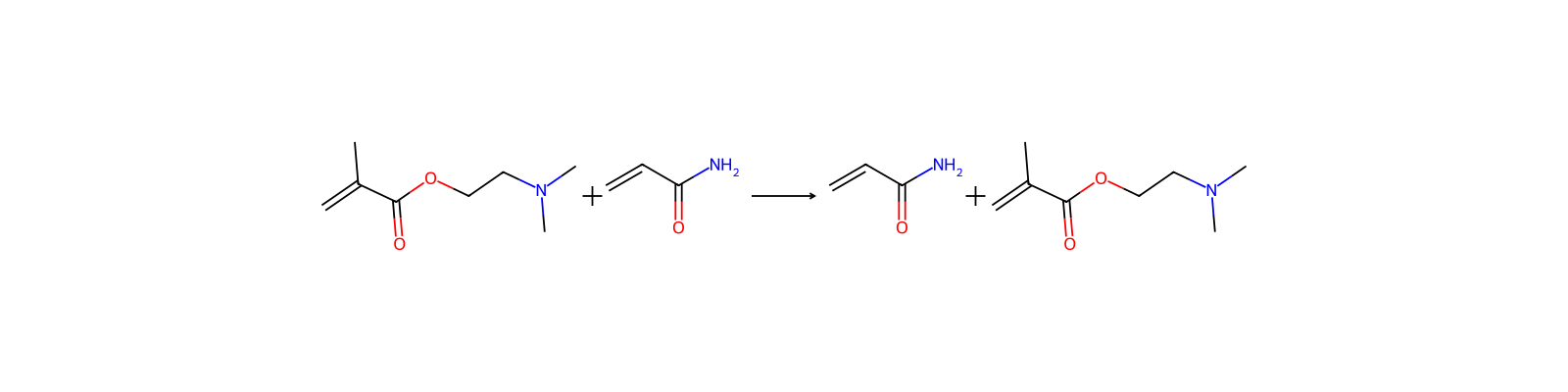
관련 반응
82건




연결된 노트
불러오는 중…